DRC Ebola outbreak remains WHO-declared emergency, with Uganda spillover
A Bundibugyo Ebola outbreak has reached 676 confirmed cases and 136 deaths in DR Congo, with confirmed cases in Uganda and travel-screening measures now active in the United States.
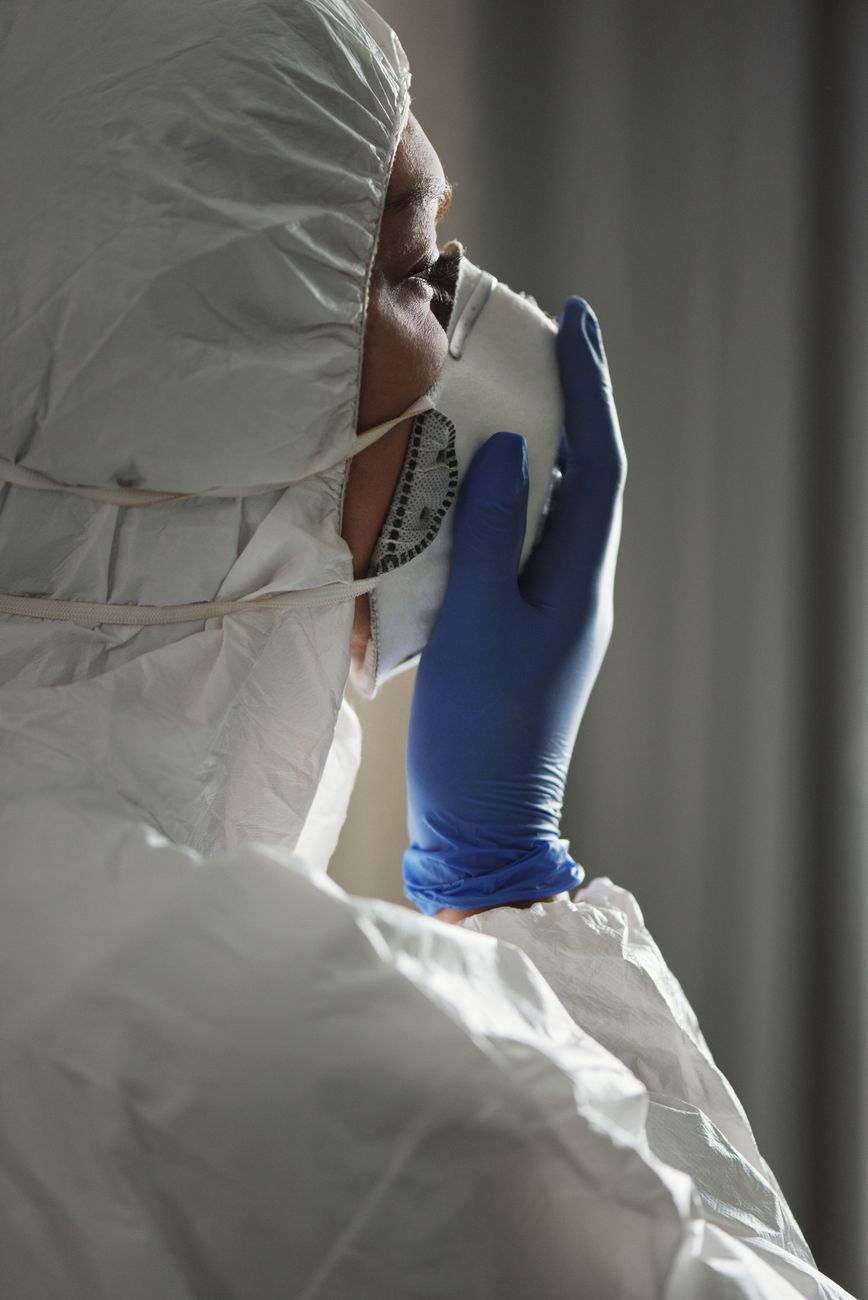
DRC Ebola outbreak remains WHO-declared emergency, with Uganda spillover
Last updated June 15, 2026
- A cross-border Ebola emergency is a first-order health systems story with major implications for surveillance, travel, and aid coordination.
- Public-health transmission chain.
- The outbreak is caused by Bundibugyo virus and is affecting both the Democratic Republic of the Congo and Uganda.
Still unclear: What local readers are seeing from the ground
DR Congo had reported 676 confirmed Ebola cases and 136 confirmed related deaths as of June 10, with 262 people hospitalised in isolation, according to the European Centre for Disease Prevention and Control.
The outbreak is caused by Bundibugyo virus and is affecting both the Democratic Republic of the Congo and Uganda. ECDC said the DRC Ministry of Health’s June 11 update included 41 new confirmed cases and nine new deaths since the previous update, while data continued to be reviewed as suspected cases moved through laboratory confirmation.
Ituri is the most affected province, with 629 confirmed cases across 19 health zones. North Kivu had reported 44 confirmed cases across nine health zones, while South Kivu had reported three cases from one health zone. ECDC said three newly affected health zones had been reported since the previous update, one in Ituri and two in North Kivu.
Uganda had reported 19 confirmed cases, including two deaths, as of June 11. ECDC said three most recent cases were reported on June 5 and no new Ugandan cases had been reported since. Of the confirmed cases in Uganda, five were associated with local transmission and 14 were imported; among nine cases with known location data, eight were in Kampala and one was in nearby Wakiso.
The World Health Organization has declared the DRC outbreak a public health emergency of international concern, the BBC reported. The latest outbreak is difficult because it involves the rare Bundibugyo species of Ebola, for which the BBC says there is no vaccine, and because the epicentre is in an area affected by conflict.
The CDC said it is responding to an outbreak of Ebola disease caused by Bundibugyo virus in remote areas of DRC and Uganda. It said no Ebola cases linked to this outbreak had been confirmed in the United States, and that the overall risk to the American public and travellers remained low.
Low risk does not mean no system response. CDC and the Department of Homeland Security have implemented enhanced travel screening, entry restrictions and public-health measures to reduce the chance of Ebola entering the United States. Affected air passengers from DRC, South Sudan and Uganda are being rerouted to Washington Dulles, Atlanta Hartsfield-Jackson, Houston George Bush Intercontinental or New York JFK airports, with airlines handling rebooking.
The CDC also reported that one American tested positive for Bundibugyo virus after exposure while caring for patients in DRC. The patient was transported to Germany for treatment and care, and high-risk contacts linked to the exposure were moved to Germany and the Czech Republic, where they remained symptom-free at the time of the update.
Ebola spreads through contact with infected bodily fluids such as blood or vomit, the BBC reported. Symptoms can take two to 21 days to appear and may begin like flu or malaria, with fever, headache and tiredness, before progressing to vomiting, diarrhoea, organ failure and, in some cases, internal or external bleeding.
The evidence supports a cross-border health emergency with wider surveillance consequences, but not uncontrolled global spread. ECDC assessed the likelihood of infection for people in the European Union and European Economic Area as very low, while continuing to monitor the situation. The immediate burden remains in DRC and Uganda, where isolation capacity, laboratory confirmation, contact tracing, safe care and public trust decide whether transmission chains can be interrupted.
The clearest larger implication is that a local outbreak can quickly become an international systems test. The case counts are concentrated in eastern DR Congo, with spillover into Uganda, but the response now reaches airports, European treatment pathways, U.S. travel screening and global health coordination. A rare Ebola strain in a conflict-affected area leaves less room for delay.
Add context
Know something useful about this story?
Albis is built for public understanding. If you have a source, lived experience, or a missing angle, you can add context for others.
Share context →Sources for this article are being documented. Albis is building transparent source tracking for every story.
Conversation
What are you seeing?
Add local context, a source, a question, or a perspective we may have missed. You can comment as a guest or create a free account.
Loading conversation…
Get the daily briefing free
News from 7 regions and 16 languages, delivered to your inbox every morning.
Free · Daily · Unsubscribe anytime
🔒 We never share your email
Related Stories

WHO declaration moves DRC-Uganda Ebola outbreak into international emergency response

Bundibugyo Ebola outbreak leaves responders without a licensed vaccine or specific treatment
