World Cup health planning turns to measles, heat and crowd-spread infections
Health officials and doctors are preparing for a World Cup shaped not only by matches, but by weeks of dense travel, fan zones, heat exposure and infectious-disease risk across host cities.
World Cup health planning turns to measles, heat and crowd-spread infections
Last updated June 13, 2026
- Mega-event health readiness offers an early test of public-health systems under extreme travel concentration.
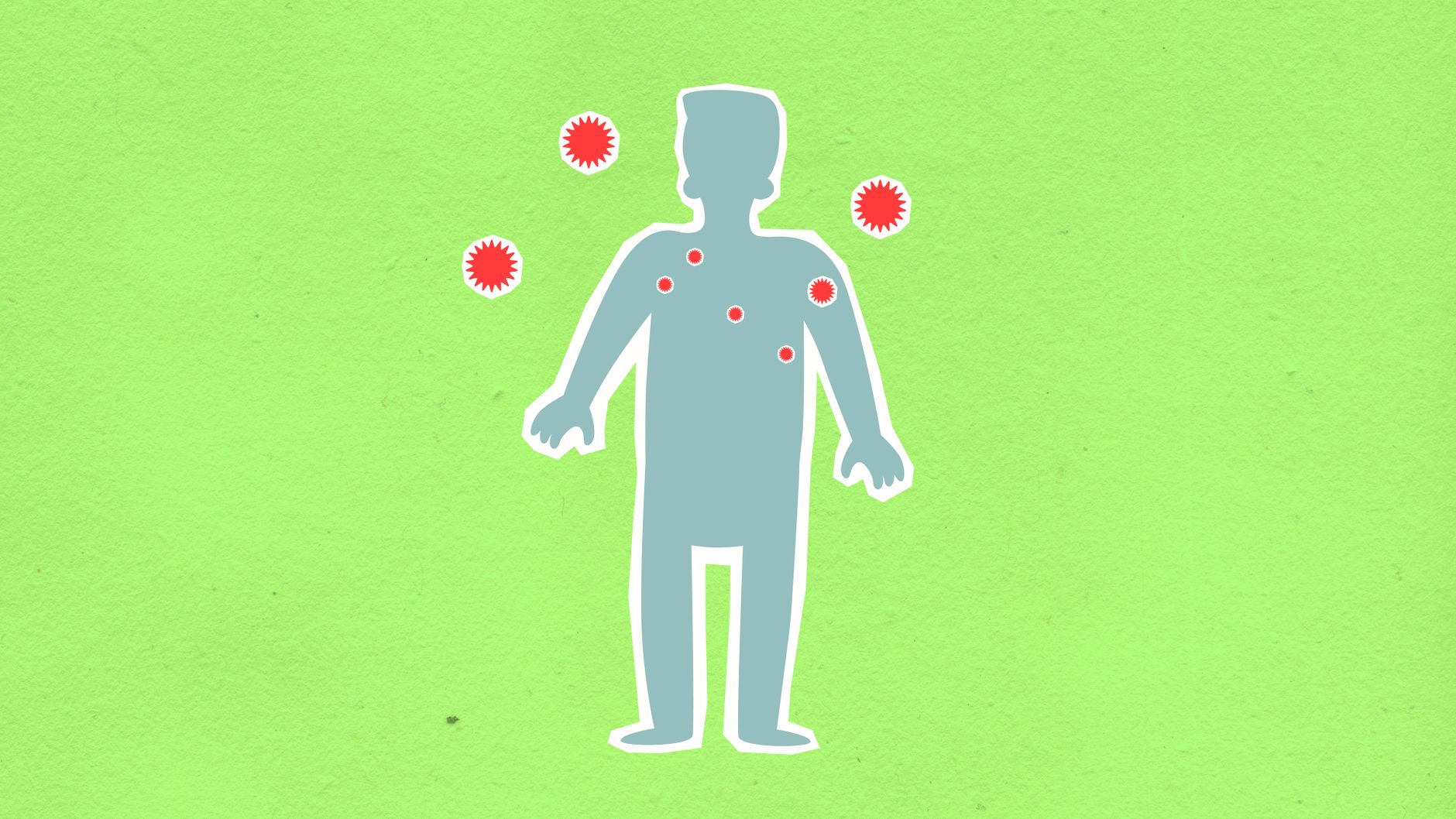
- Public-health transmission chain.
- The city is preparing for more than soccer injuries.
Still unclear: What local readers are seeing from the ground
Philadelphia’s World Cup medical planners inspected an air-conditioned medical tent at Lemon Hill Park days before the tournament began, with space prepared for doctors, nurses and EMTs, first-aid treatment, large fans, misters and dunk tanks for heatstroke patients.
The city is preparing for more than soccer injuries. The Philadelphia Inquirer reports that public-health leaders and major health systems are on alert for measles cases, with infectious-disease outbreaks among the leading concerns as Philadelphia hosts large events this summer. The fan festival at Lemon Hill is scheduled to run for more than a month, during a period when the city expects more than 1.5 million visitors.
The 2026 World Cup is being played across 16 cities in the United States, Canada and Mexico, with millions of fans moving through airports, stadiums, hotels, bars, public transit and fan zones over several weeks. The Independent describes the tournament as a weeks-long experiment in global mixing, while noting that events of this size rarely cause major outbreaks but do create opportunities for outbreaks and for health systems to be tested.
Doctors quoted by TODAY point to the same crowd mechanics. Syra Madad, an infectious-disease epidemiologist at Harvard University’s Belfer Center, says the event is different because it spans more than six weeks and brings millions of additional visitors into US cities. Tyler Evans, an infectious-disease physician and CEO of the Wellness Equity Alliance, says mass gatherings increase infectious-disease risk because people concentrate in stadiums, airports, hotels and bars.
Measles sits near the top of the concern list because it is highly contagious and depends heavily on immunity gaps. TODAY reports that doctors are watching risks from measles, norovirus and other pathogens as fans pour into stadiums, fan zones and watch parties. The Independent says more probable risks include flu and measles spreading through crowded venues, while a dramatic imported Ebola case is possible but unlikely.
The risk map is broader than respiratory infection. The Independent points to sexually transmitted infections and mosquito-borne diseases as less visible risks that can gain footholds around large movements of people. An unfetched CBC excerpt says public-health officials in Canada, the US and Mexico are preparing for measles cases and foodborne illnesses on top of heat events ahead of the tournament.
The operating burden falls on local systems before it becomes a national story. Medical tents, emergency planners, hospital networks, public-health surveillance and event staff have to absorb heat illness, minor injuries, suspected infections and the possibility of cases linked to international travel. In Philadelphia, the planning described by the Inquirer is concrete: patient space, cooling equipment, first-aid tents and medical staffing for a long-running fan site.
What remains uncertain is whether the tournament will produce isolated cases, small clusters or something larger. The supplied sources do not verify any outbreak already caused by the World Cup, and the strongest expert framing is cautious: mass gatherings raise risk, but major outbreaks are not the usual outcome.
The confirmed picture is a preparedness test. The World Cup concentrates travel, heat exposure, food handling, crowding and uneven immunity across three countries and 16 host cities. Public-health officials are preparing for the cases they can anticipate, while building enough surveillance and response capacity for the ones they cannot.
Add context
Know something useful about this story?
Albis is built for public understanding. If you have a source, lived experience, or a missing angle, you can add context for others.
Share context →Sources for this article are being documented. Albis is building transparent source tracking for every story.
Conversation
What are you seeing?
Add local context, a source, a question, or a perspective we may have missed. You can comment as a guest or create a free account.
Loading conversation…
Get the daily briefing free
News from 7 regions and 16 languages, delivered to your inbox every morning.
Free · Daily · Unsubscribe anytime
🔒 We never share your email