A 35-Year-Old Rapper Just Beat Nepal's Four-Time Prime Minister by 49,614 Votes
Nepal's Gen Z protests toppled a government in 48 hours. Six months later, their guy won two-thirds of parliament. South Asia's third youth revolution just completed.
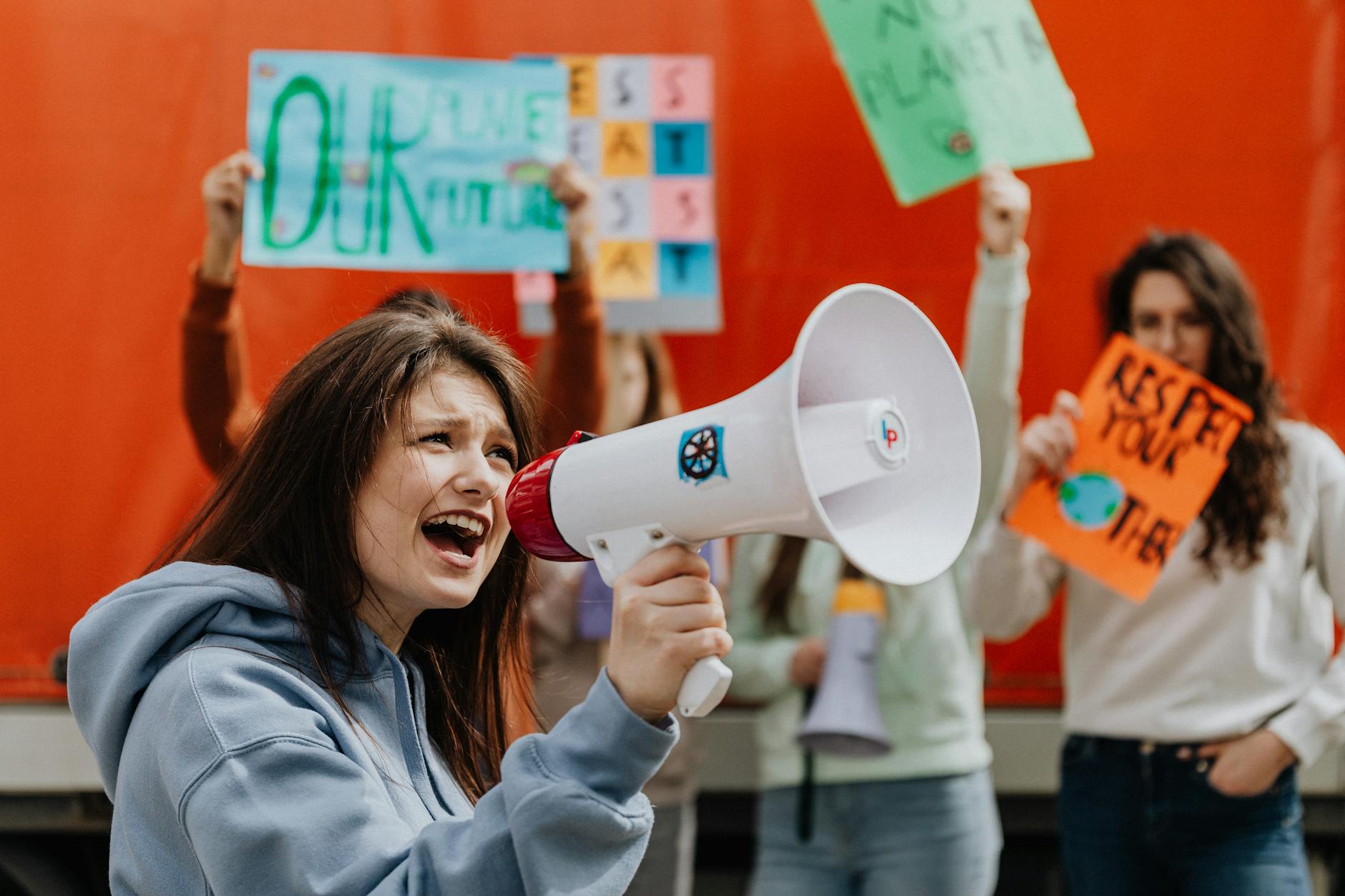
Nepal just handed the world's most lopsided political upset to a rapper with millions of YouTube views.
Balen Shah, 35, beat former prime minister KP Sharma Oli — a four-time PM who held power for decades — by 49,614 votes in Oli's own constituency. His party, the Rastriya Swatantra Party (RSP), won 182 seats and a two-thirds majority in parliament. The RSP is four years old.
This didn't come from nowhere.
In September 2025, Nepal's government banned social media. YouTube, WhatsApp, TikTok — gone overnight. The move was meant to silence growing online anger at political corruption. Instead, it ignited the streets.
Protesters called them "nepo babies": the children of Nepal's political class, flaunting wealth on the very platforms the government then tried to shut down. For months, fury had been building over corruption, nepotism, and the visible gap between rulers and the ruled. The ban was the spark. Within 48 hours, the government fell. Seventy-seven people were killed in the crackdown.
Six months later, the election.
Balen Shah didn't just win. His party swept. First-time voters — 800,000 of them — drove turnout. Over 915,000 young people registered online under a new system. Nepal now has 120 political parties on the ballot; 18 months ago it had the same tired faces cycling through coalition governments.
Here's the part that matters beyond Nepal: this is the third time in four years a South Asian government has been toppled by youth-led protest and replaced. Sri Lanka fell in 2022, when mass demonstrations swept the Rajapaksa dynasty from power after economic collapse. Bangladesh followed in 2024, when student protests forced Sheikh Hasina out and installed Nobel laureate Muhammad Yunus as caretaker. Now Nepal.
Three countries. Three governments with leaders in their 70s. Three youth movements that started online and ended in parliament.
Al Jazeera quoted researcher Sumit Ganguly after Nepal's protests: "The youth in South Asia is not able to find anything to connect them to their political leaders. The dissonance was too high."
The dissonance has a pattern. Governments ban or restrict social media to contain dissent. Young people who grew up online treat that as an attack on their world. Protests follow. And in South Asia right now, those protests are finishing the job.
Balen Shah has a song called Balidan — sacrifice, in Nepali. It has millions of YouTube views. He was too old to join the Gen Z protests when they erupted (the organizers set an age limit). He watched from the outside while they burned down the political order.
Then he ran for prime minister.
The question for the rest of South Asia — and beyond — is whether this is demographic inevitability or a streak of luck. Gen Z protests have since spread to Madagascar, Morocco, and Peru. In Indonesia, a parallel #NepoKid trend targeted the same grievances.
The answer Nepal is giving: it's not luck. Street power can become parliamentary power. You just need someone with a good song and a clear target.
Sources & Verification
Based on 5 sources from 3 regions
- BBC NewsInternational
- The GuardianInternational
- BritannicaInternational
- Al JazeeraMiddle East
- TimeNorth America
Keep Reading
Nepal's Gen Z Just Elected a 35-Year-Old Ex-Rapper by Two-Thirds. The Old Guard Got 13%.
Balen Shah's party won 182 seats in Nepal's parliament—just two shy of a supermajority. The establishment parties that ruled for 30 years barely broke double digits.
170 Million People Just Changed Their Government. Nobody Outside South Asia Noticed.
Bangladesh held its most significant election in 20 years while the world watched missiles fly over the Gulf. The BNP won a landslide. India and Pakistan both responded. The rest of the world kept scrolling.
Denmark Just Called a Snap Election. Trump's Greenland Threat Made It Possible.
PM Mette Frederiksen set an election for March 24 after her approval soared from defying Trump. When threatened internationally, bounce domestically.
Explore Perspectives
Get this delivered free every morning
The daily briefing with perspectives from 7 regions — straight to your inbox.