Fertiliser Shock From Hormuz Threatens Next Season's Harvests
Disrupted fertiliser shipments and higher energy costs are forcing farmers from North America to Africa to recalculate planting plans.
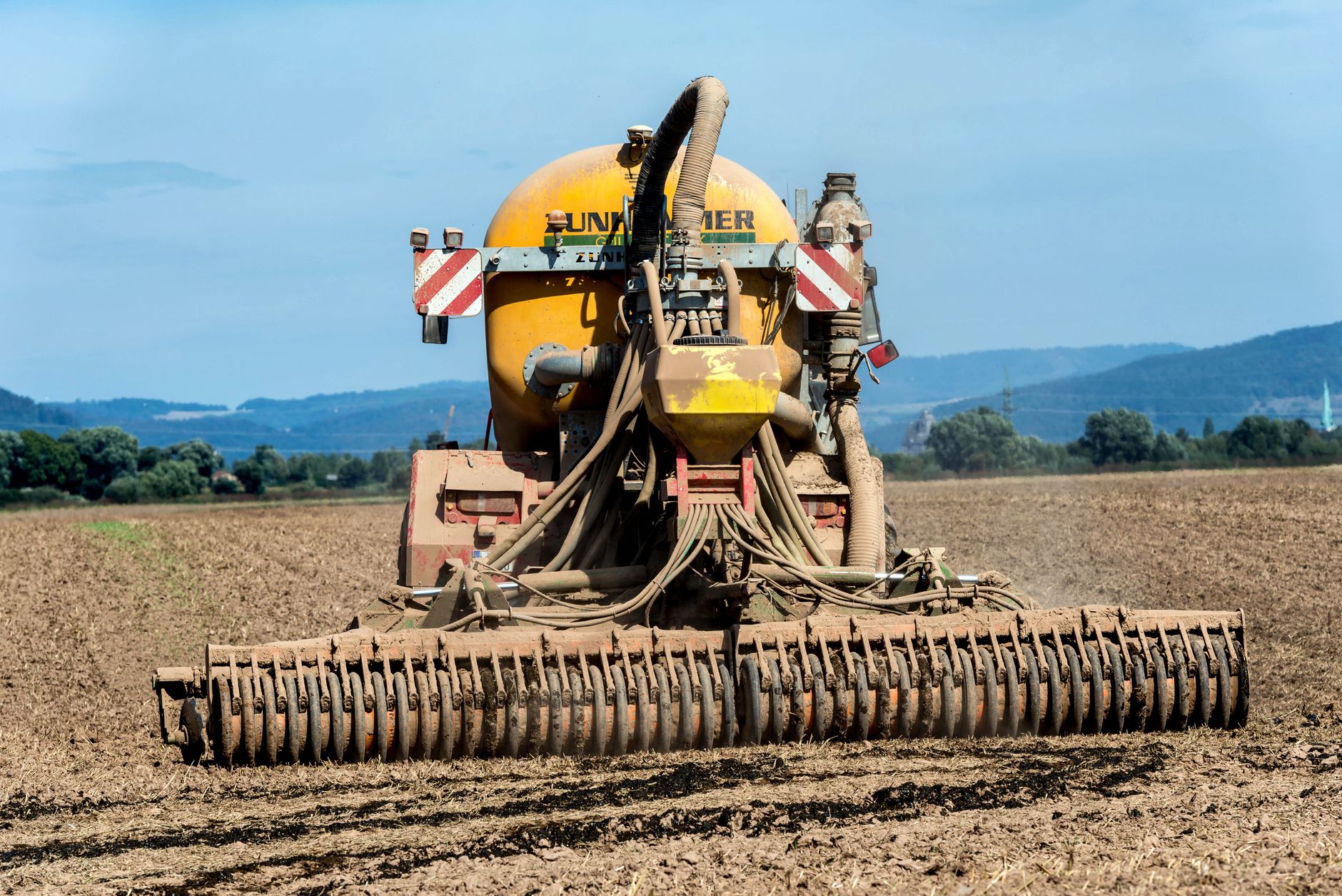
Fertiliser markets are taking their sharpest war shock since 2022, with disrupted Gulf shipments and higher gas prices feeding into planting decisions from North America to Africa, according to Reuters reporting and agriculture market analysts.
Reuters reported on March 17 that analysts warned the U.S.-Israel war with Iran was “severely disrupting fertiliser markets and endangering food security for developing countries in the near term.” Earlier Reuters reporting on March 5 said farmers were already facing a surge in prices as the conflict blocked exports and threatened losses ahead of planting.
The pressure starts with geography. Producers in the Gulf are major suppliers of nitrogen fertilisers and feedstocks, and the Strait of Hormuz remains one of the world’s most important shipping routes for energy and petrochemicals. When vessel risk rises and natural gas costs climb, fertiliser buyers pay more, traders say.
The Albis midday scan marked the story as one of the strongest undercovered system risks of the day. Coverage was strong in the United States, the Middle East, South Asia and Africa, but thinner in Europe, East Asia and Latin America. The framing also split by region.
Arabic coverage has treated the issue as a household inflation and food-security problem. Reuters and business press in North America have leaned toward commodity market implications and farmer margins. In African and South Asian coverage, the same price moves are being described as a threat to crop output and food availability.
That difference reflects where the squeeze lands. In Iowa or Saskatchewan, a missed fertiliser purchase can cut farm profitability. In import-dependent states with thin reserves and weaker currencies, it can reduce yields, tighten staple supplies and push food prices higher months later.
Reuters quoted analyst Alexis Maxwell of Green Markets as saying buyers were scrambling to assess how long the disruption could last. Another Reuters report cited analyst Josh Linville saying the market had become “extremely nervous” about supply availability. Those warnings have become more urgent as the war has dragged deeper into spring procurement cycles.
The timing is difficult for growers. Farmers in the United States and Canada rely on spring deliveries to lock in acreage and nutrient applications. Reuters reported on March 13 that U.S. and Canadian farmers, already contending with weak profits, could face planting disruption as they struggle to secure fertiliser.
The same cargo disruptions hit poorer countries harder. Reuters reported on March 20 that disrupted fertiliser shipments and surging energy prices threatened to unleash a fresh food-price shock across vulnerable nations, risking a years-long setback. That is because importers with limited subsidy capacity often cut purchases first, which lowers application rates and eventually reduces output.
The chain reaction is slow enough to miss a day-one headline and fast enough to reshape a harvest. Higher nitrogen costs raise the price of producing maize, wheat and rice. Lower use can reduce yields. Smaller harvests then feed into local food inflation, which central banks and humanitarian agencies must confront long after the original shipping disruption has faded from front pages.
Chinese restrictions on some fertiliser exports have added to the strain, CNBC reported in late March, citing earlier Reuters reporting. That has narrowed fallback options for importers searching for alternative supply. Traders say even when cargoes are available, insurance and freight costs have climbed.
Regional coverage shows how unevenly the same numbers are absorbed. In Gulf reporting, the issue sits beside refinery outages and power-grid risk. In South Asian business pages, it appears next to worries over rice, wheat and edible-oil inflation. In much of the English-language Western press, it is still often presented as a commodity market sub-story.
For farmers, the distinction is academic. They still must decide whether to plant the same area, reduce input use or switch crops. Lower-income growers usually have the fewest choices.
FAO and World Food Programme officials have already warned that food price gains are broadening. The fertiliser channel helps explain why. Oil shocks raise transport and processing costs immediately. Fertiliser shocks can damage the next season before the crop is even in the ground.
The next benchmark will come with April and May purchasing data, crop input surveys and shipping flows through Gulf routes. If fertiliser cargoes remain constrained for several more weeks, analysts say the pressure will move from market anxiety to visible reductions in planting and expected yields.
Company Daily Scan
Track stories like this for your company.
Albis can turn the same global scan into a private daily briefing for your sector, regions, risks, and watchlist.
See how the company scan works →Sources for this article are being documented. Albis is building transparent source tracking for every story.
Get the daily briefing free
News from 7 regions and 16 languages, delivered to your inbox every morning.
Free · Daily · Unsubscribe anytime
🔒 We never share your email
Related Stories

Fertiliser disruption from Hormuz closure is becoming a food-security story, not just an oil story
Urea Hits $800 a Ton as Planting Season Opens Without Fertilizer
