India Set a 303-Million-Tonne Wheat Procurement Target. In Haryana, Grain Is Still Waiting.
India has set an ambitious wheat procurement target for the new season, but local reporting from Haryana shows grain arrivals outpacing purchases and liftings in key mandis.
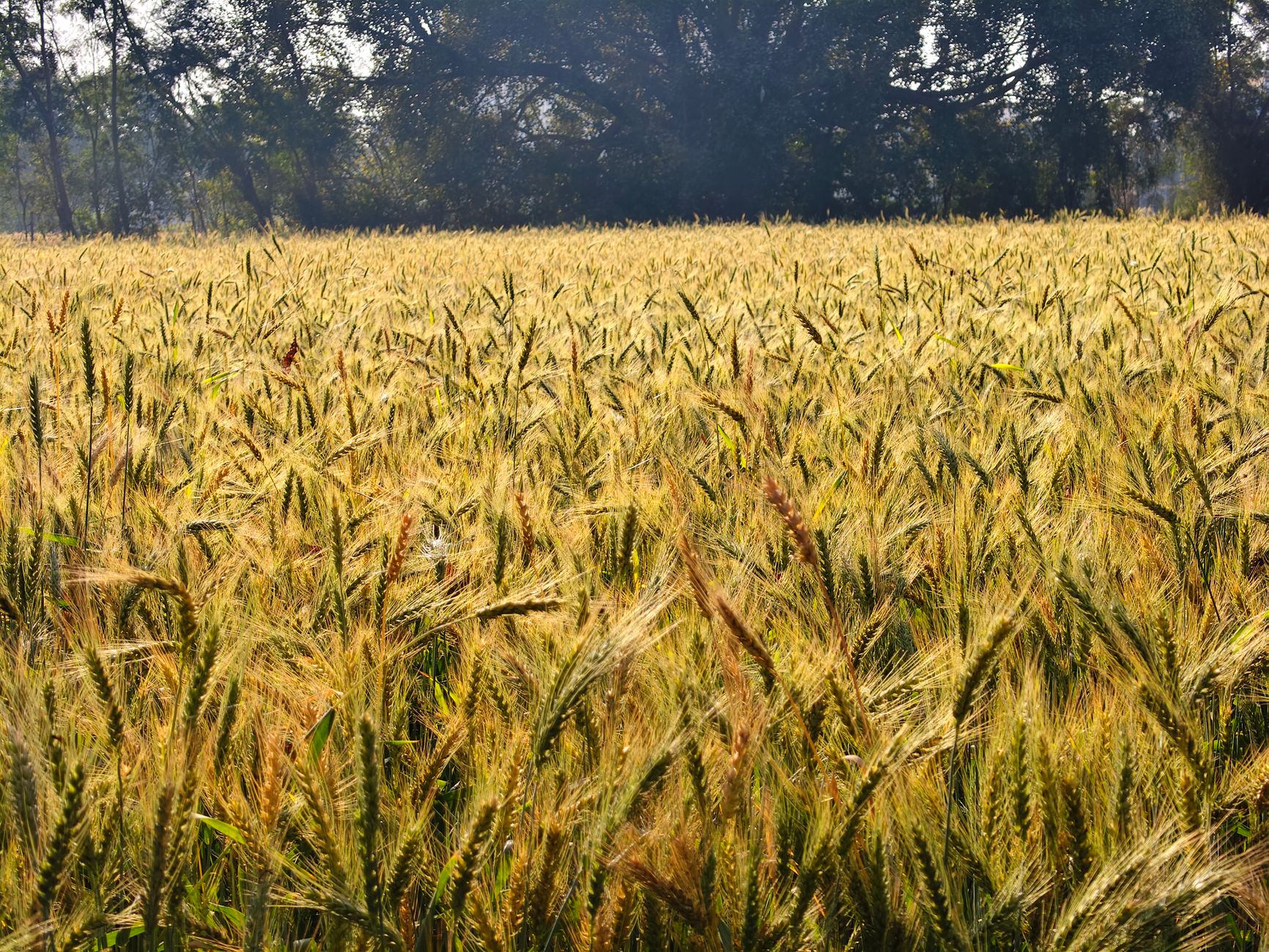
India’s food ministry has set a wheat procurement target of 303 lakh metric tonnes for the 2026-27 rabi marketing season, presenting the coming harvest as a test of system readiness rather than supply anxiety.
The numbers from a mandi in Haryana tell a more uneven story. Amar Ujala reported this week that 14,000 metric tonnes of wheat had arrived at Sampla mandi, while only 342 metric tonnes had been purchased so far, according to Rohtak Deputy Commissioner Sachin Gupta.
The gap does not prove a national shortage. It does show how a food system can look orderly from New Delhi while slowing down transaction by transaction at the point where grain changes hands.
India’s Department of Food and Public Distribution said after a March review with state officials that it had fixed the wheat procurement estimate for RMS 2026-27 at 303 LMT. The ministry said it had also allocated enough jute bales and HDPE bags for expected procurement and reviewed reforms tied to storage, transport and public-distribution logistics.
The official framing is confidence. Procurement, packaging, digital tracking and supply-chain optimization were all part of the presentation. That is the national picture importers and commodity watchers usually see first.
The local picture is narrower and more physical. Amar Ujala said officials in Rohtak reviewed wheat arrivals, purchases and lifting arrangements, and that Gupta instructed agencies to ensure daily procurement and lifting from mandis and procurement centers. The same report said he inspected stacks of wheat in the market yard and checked moisture levels on site.
Those details matter because delays at mandis do not stay local for long. If arrivals build faster than purchases or lifting, grain can sit in the open, quality can deteriorate and farmer payments can become harder to process smoothly.
The national system has shown it can absorb large volumes before. A Press Information Bureau release from May last year said India had procured 256.31 LMT of wheat by April 30, already above the previous year’s level on the same date, and said payments to most farmers had been made within 24 to 48 hours. That record helps explain why Delhi continues to project control.
This season’s question is whether the same machinery can move quickly enough under current conditions. The deep-investigation brief prepared for Friday’s editorial cycle cited a separate content trail showing 309,000 tonnes waiting in Haryana, a sign that localized congestion has become part of the story even if it is not yet central in English-language coverage.
In Delhi, the emphasis is on buffer confidence, targets and technology. In Hindi regional reporting, the emphasis is on gates, heaps, moisture, purchase volumes and lifting orders. For neighboring buyers and governments that track India’s food policy closely, the real concern is not whether the country can produce wheat but whether procurement friction could push authorities toward tighter market controls later.
That is why mandi data can matter beyond one district. India has used export restrictions and stock controls before when domestic food management comes under pressure. A season that begins with strong harvest headlines can still end with a more defensive policy stance if logistics, weather or payment delays start to erode confidence.
The central government has already tied this year’s push to infrastructure improvements at procurement centers, QR-based tracking and wider supply-chain optimization. Those reforms are designed for exactly this moment: large arrivals in a compressed time window, with farmers expecting quick purchases and quick payments.
For now, the gap is between target and throughput. Sampla’s figures show grain arriving faster than it is being bought. The ministry’s next updates will indicate whether that is a brief local bottleneck or an early warning from one of India’s core wheat states.
Company Daily Scan
Track stories like this for your company.
Albis can turn the same global scan into a private daily briefing for your sector, regions, risks, and watchlist.
See how the company scan works →Sources for this article are being documented. Albis is building transparent source tracking for every story.
Get the daily briefing free
News from 7 regions and 16 languages, delivered to your inbox every morning.
Free · Daily · Unsubscribe anytime
🔒 We never share your email
Related Stories

309,000 Tonnes Waiting in Haryana — The Wheat Story Missing From Most of the World

India engages Anthropic over cybersecurity concerns tied to the Mythos AI release