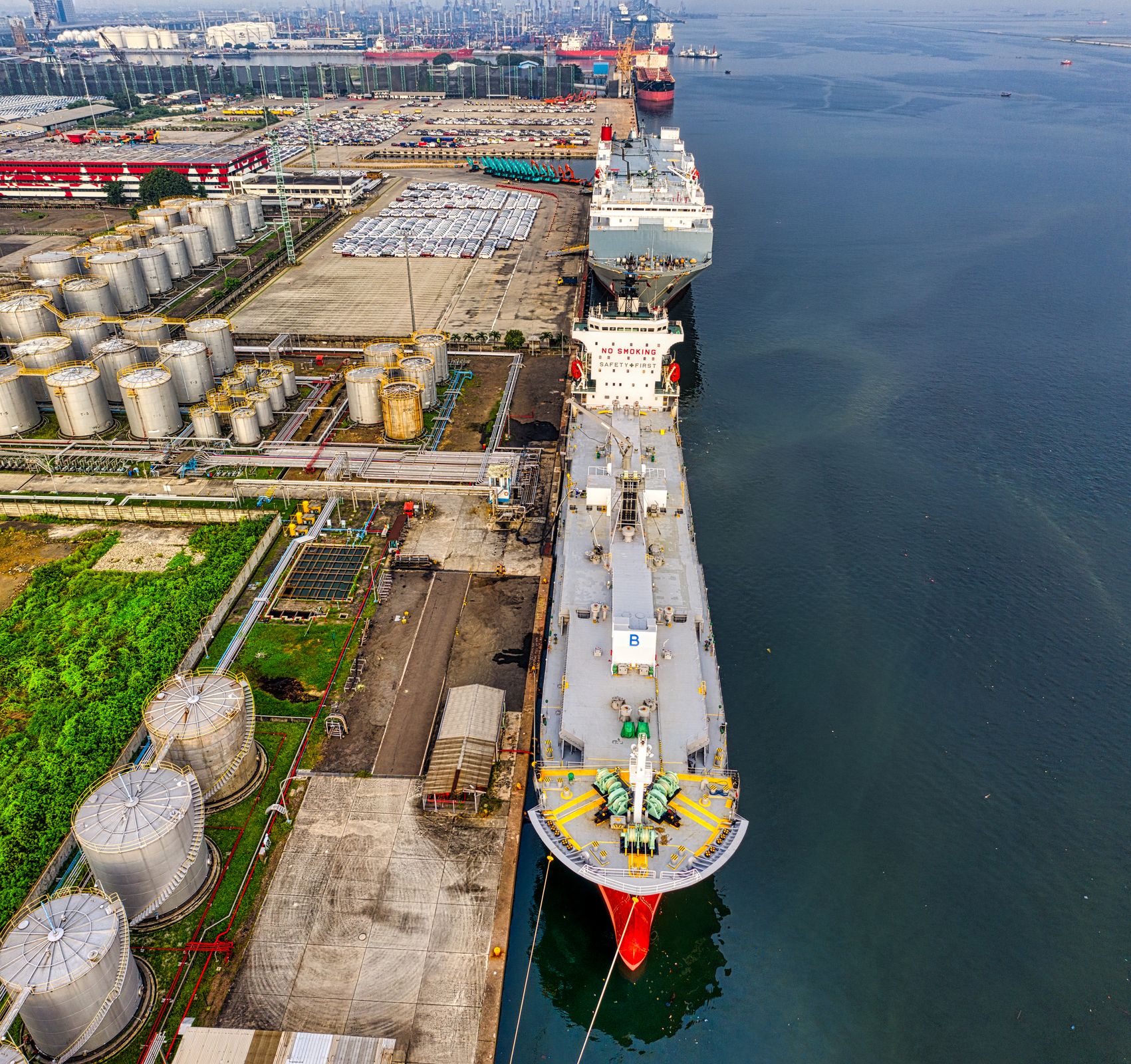
Japan Says It Has Four Months of Naphtha. Industry Is Bracing Anyway
Tokyo says naphtha supplies are secure for now, but the Hormuz shock is already forcing Japanese industry to plan for a longer chemicals squeeze.
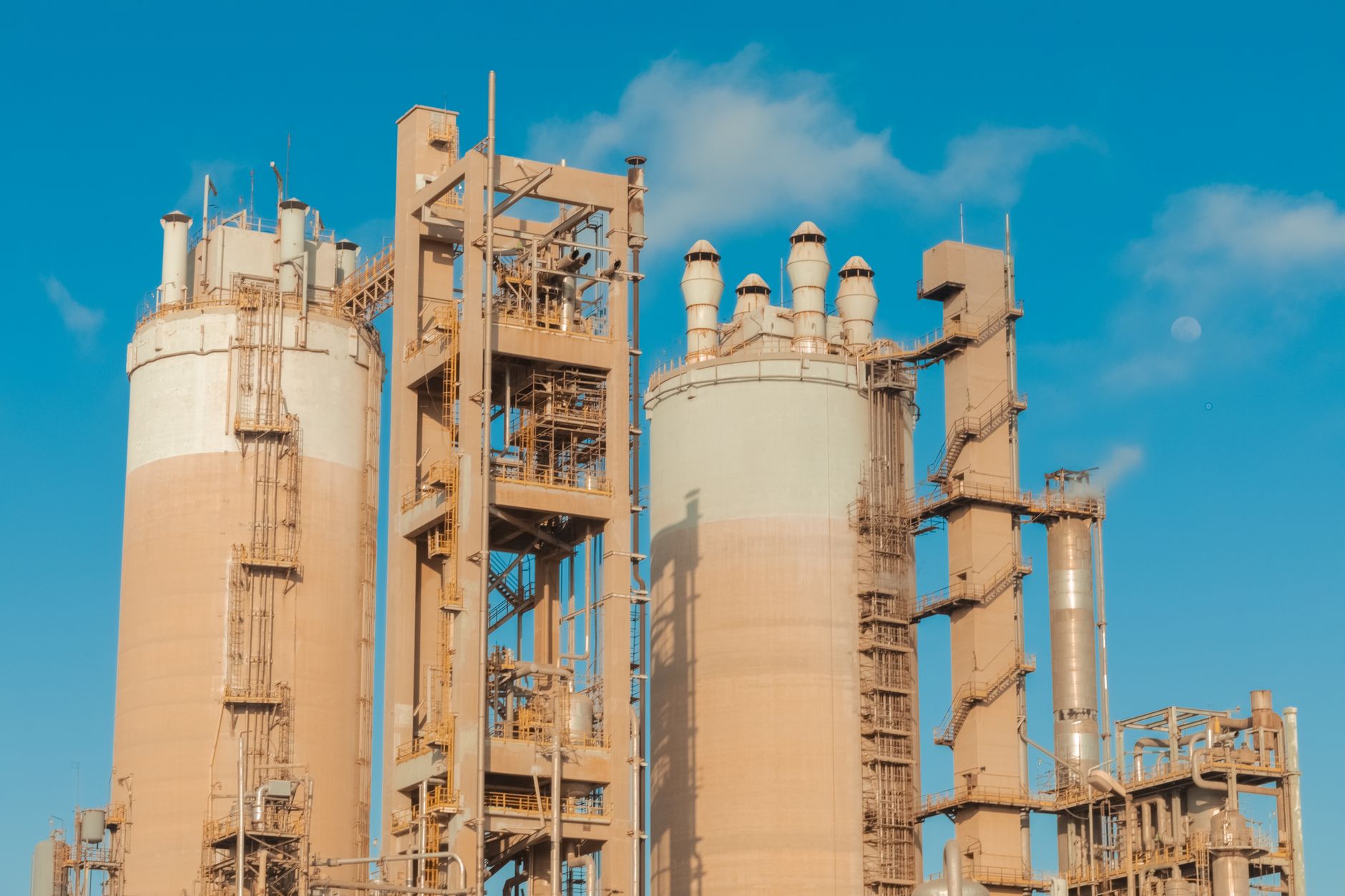
Chief Cabinet Secretary Minoru Kihara said on April 6 that Japan had about four months of naphtha supply, including imports, domestically refined material and inventories of intermediate chemical products, according to Kyodo via Mainichi. The statement came after online claims said Japan could run short of the petroleum feedstock in June.
Kihara said the claim was "incorrect" and that "no supply-demand problems have emerged" so far, according to Kyodo. Prime Minister Sanae Takaichi had said a day earlier that Japan had secured at least four months of domestic demand and could extend that cushion to more than six months by doubling imports from outside the Middle East, the same report said.
The reassurance did not erase the underlying vulnerability. Japan relies on the Middle East for more than 90% of its crude oil imports, and most of those shipments normally pass through the Strait of Hormuz, according to Kyodo. The Ministry of Economy, Trade and Industry said crude routed through the Red Sea west of Saudi Arabia was expected to begin arriving in earnest next month or later, the report said.
Naphtha rarely leads television bulletins outside industrial economies, but it sits inside packaging, fibers, solvents and a long list of plastics used by hospitals and factories. In Tokyo and Osaka, the issue is not only what drivers pay at the pump. It is what chemical makers can crack, what automakers can ship and what manufacturers can source if the detour around Hormuz lasts.
Mazda Motor said it would suspend production of cars for the Middle East until May because shipments to the region had stalled since March, according to Kyodo. The company said overall output would stay unchanged because it was switching to vehicles for Europe and the United States, while other major automakers including Toyota and Nissan were reducing production, the report said.
That industrial framing has been stronger in Japan than in much English-language coverage of the Middle East war. Japanese reporting has focused on liquefied natural gas, refinery feedstocks and factory exposure, while much Western coverage has centered on oil benchmarks and naval posture. The difference is practical: for an import-dependent manufacturing economy, a choke point is measured in resin, packaging film and missed sailings as much as in crude futures.
UN Trade and Development said this week that the Middle East conflict and shipping disruptions in Hormuz were expected to intensify inflationary pressure on an already strained global economy. UNCTAD said rising energy prices, higher trade costs linked to tariffs and regulatory changes, and the erosion of trade rules were clouding the outlook for 2026.
Japan's government has begun looking wider for supply. Kyodo said Tokyo was considering procurement from Kazakhstan and seeking to secure supplies from Azerbaijan. Shunichi Suzuki, secretary general of the ruling Liberal Democratic Party, said the government could ask the public to conserve energy if conditions in the Middle East worsened, according to Kyodo.
The debate inside Japan has also become an information problem. Kihara used his press conference not only to deny the shortage claim but to urge the public to check official statements when they see alarming posts online, according to Kyodo. In a market already strained by war, a rumor about feedstocks can move purchasing decisions long before any ministry confirms a disruption.
For now, Tokyo is trying to hold two lines at once: calm the public and prepare industry. Officials say inventories are adequate. Companies are still rearranging production and shipping plans because the longer the crisis lasts, the more the risk shifts from headline oil prices to the harder question of which materials still arrive, and when.
The next test comes in the coming weeks, when alternative crude routes are due to start in earnest and manufacturers will see whether those workarounds reduce the strain on petrochemical supply chains.
Add context
Know something useful about this story?
Albis is built for public understanding. If you have a source, lived experience, or a missing angle, you can add context for others.
Share context →Sources for this article are being documented. Albis is building transparent source tracking for every story.
Conversation
What are you seeing?
Add local context, a source, a question, or a perspective we may have missed. You can comment as a guest or create a free account.
Loading conversation…
Get the daily briefing free
News from 7 regions and 16 languages, delivered to your inbox every morning.
Free · Daily · Unsubscribe anytime
🔒 We never share your email