Japan Says It Has Four Months of Naphtha as Gulf Disruption Squeezes Plastics
Japan says it has enough naphtha for at least four months, but producers are already cutting output as Gulf disruption pushes a fuel-market shock into plastics and industrial supply chains.

Japan has enough naphtha to cover at least four months of demand, Prime Minister Sanae Takaichi said on April 5, as worries over Gulf shipping disruption spread from oil markets into the country’s petrochemical sector.
The reassurance did not end the concern. Search reports from Bloomberg and The Japan Times said multiple Japanese petrochemical firms had already announced output cuts amid fears that conflict-linked disruption in the Middle East could tighten supplies of naphtha, a key feedstock for plastics and chemicals.
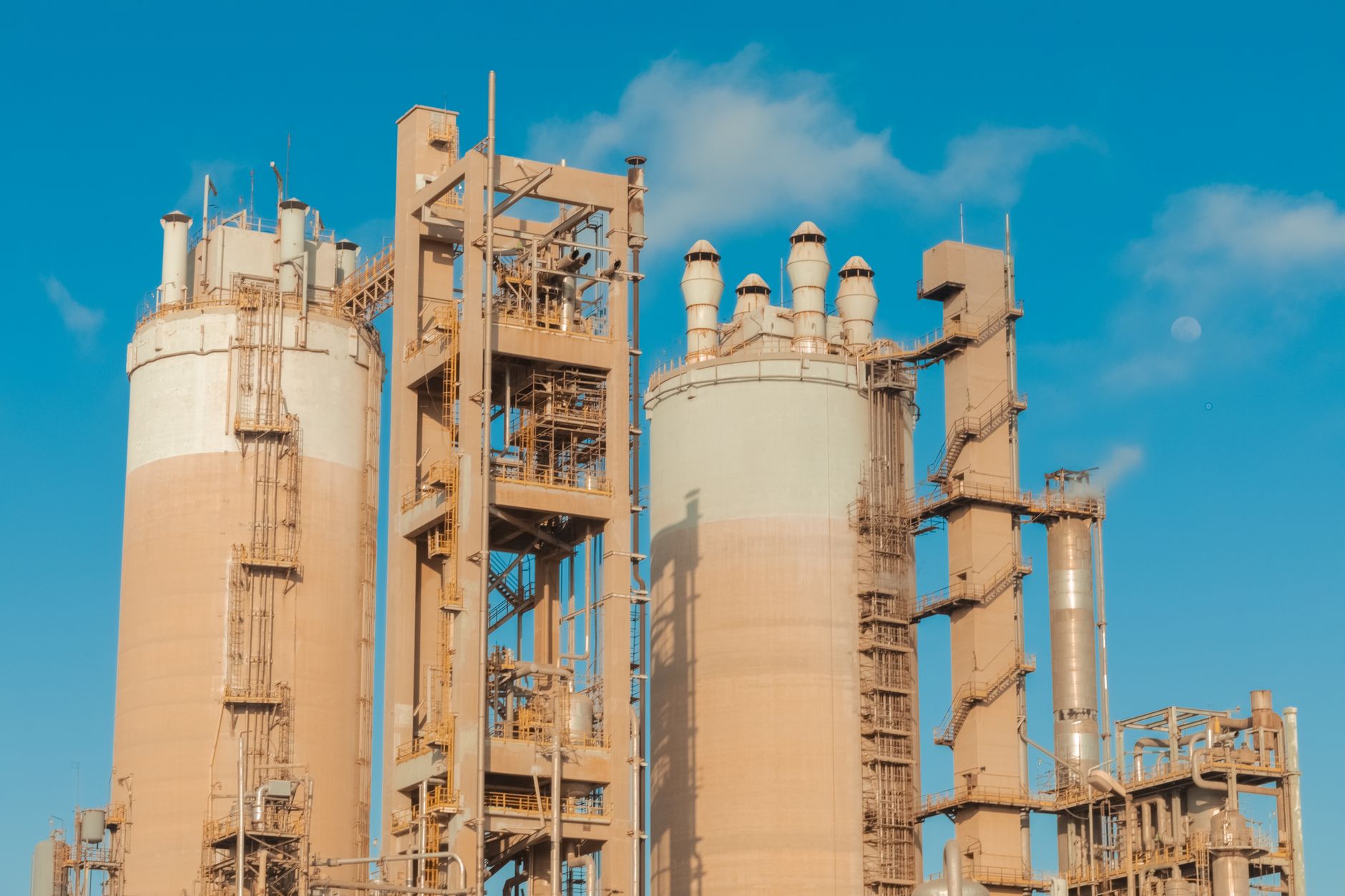
Naphtha rarely leads international headlines. In Japan, it sits much closer to daily life. It feeds crackers that produce ethylene and propylene, which then move into packaging, synthetic fibers, industrial films, auto parts and medical materials.
That is why the story has been framed differently across regions. In Washington and London, the focus has stayed on crude benchmarks, shipping lanes and military risk. In Tokyo business coverage, the issue has been whether a fuel shock is about to become a manufacturing shock.
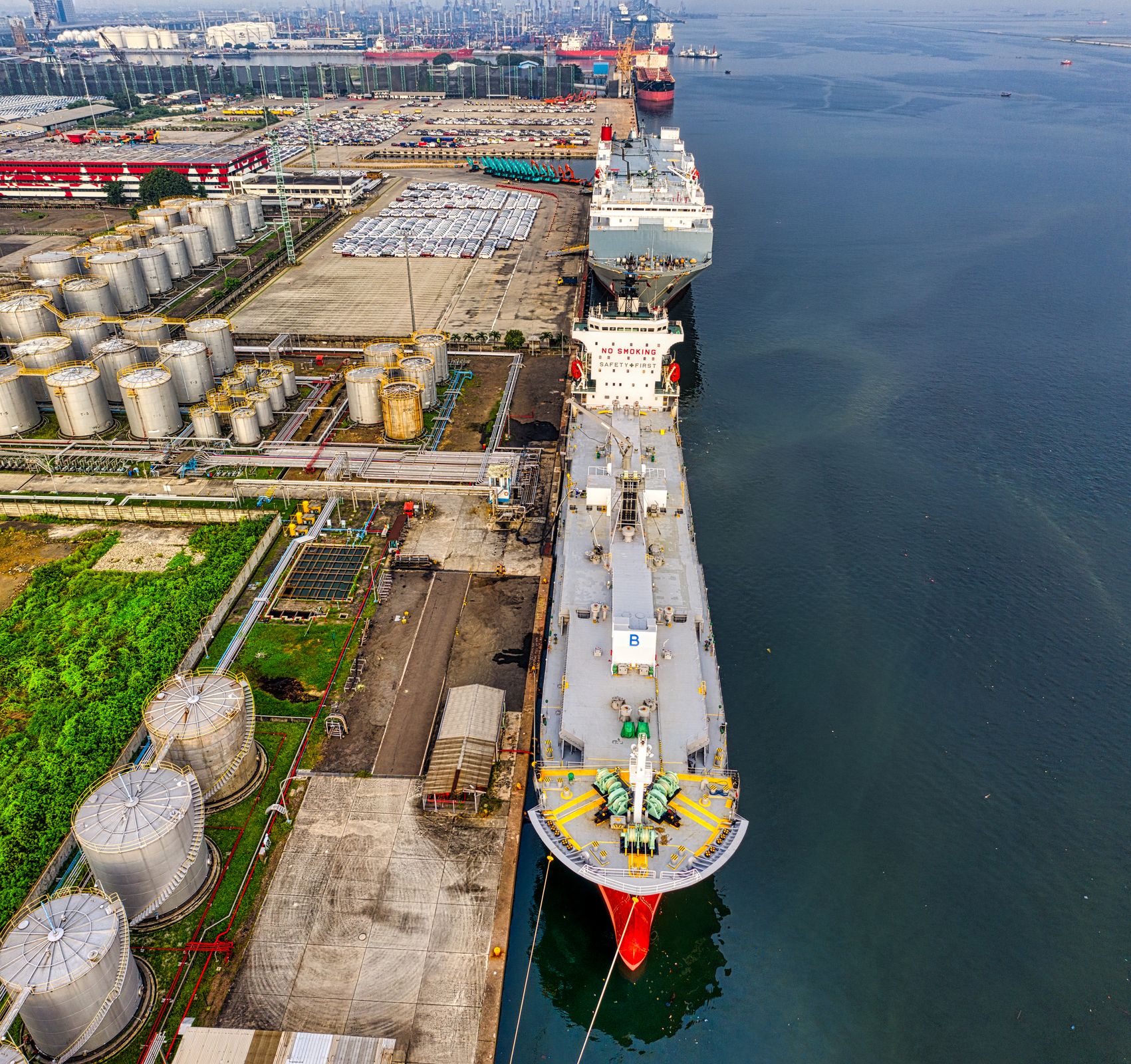
The U.S. Energy Information Administration said in its April short-term outlook that oil flows through the Strait of Hormuz remained limited, forcing Iraq, Saudi Arabia, Kuwait, the United Arab Emirates, Qatar and Bahrain to shut in 7.5 million barrels a day of crude production in March. EIA said those shut-ins were expected to rise to 9.1 million barrels a day in April.
EIA said Brent crude averaged $103 a barrel in March and could peak at $115 in the second quarter of 2026. It also said the spread between Brent and West Texas Intermediate widened because Middle East disruption hit shipping costs and flows to major consuming markets in Asia harder than in the United States.
For Japan, that Asia exposure matters beyond the headline oil price. The country imports most of its energy, and naphtha is part of that vulnerability. A Bloomberg report cited by search results said the government believed the country had secured enough supplies to cover roughly four months, including imported shipments and volumes from domestic refiners.
That stock cushion buys time, not immunity. Production cuts by petrochemical firms suggest companies are already planning around uncertainty in feedstock arrivals, pricing and margins. When input costs jump quickly, processors can trim runs before shortages are visible to consumers.
The effect then moves sideways. Food producers need plastic films, bottles and trays. Hospitals use disposable plastic devices and packaging. Export manufacturers rely on resins, coatings and synthetic materials that are priced off the same petrochemical chain.
EIA also said U.S. LNG export facilities were running at near-peak capacity in March, while the reduction in LNG flows through Hormuz had widened the gap between Henry Hub gas prices and import prices in Europe and Asia. That added a second pressure point for Japanese industry, which must manage fuel, feedstock and power costs at the same time.
Japanese coverage has treated that stack of risks more explicitly than much English-language general coverage. Domestic reporting has focused on industrial materials, gas procurement and factory exposure. In other markets, the same disruption is still often presented as a story about tankers, naval patrols and oil futures.
The difference is partly structural. Japan’s petrochemical chain is deeply tied to imported fossil feedstocks, and substitution is slow. A delay in naphtha deliveries cannot be fixed quickly by switching to another raw material at scale. Companies can draw stocks, reshuffle cargoes or slow output, but they cannot redesign the chain in a week.
That leaves pricing as the fastest transmission mechanism. EIA said higher crude costs were already lifting gasoline and diesel prices, and forecast diesel to average $4.80 a gallon in 2026. In Japan, the industrial effect may prove more important than the pump price if packaging, chemical and manufacturing costs keep rising.
The risk is not only scarcity. It is uneven scarcity. Larger firms can hedge, stockpile or secure priority shipments. Smaller manufacturers and downstream buyers often absorb the pass-through later, when margins are already thin.
For now, Tokyo is signaling that it has enough time to avoid an immediate squeeze. Markets are signaling something narrower: enough stock to manage the next few months does not remove exposure if Hormuz traffic stays constrained and if insurers, refiners and shippers continue to price the route as a war corridor.
EIA’s base case assumes the conflict does not persist beyond April and that flows through Hormuz gradually resume, allowing production shut-ins to ease from May. Japanese manufacturers will be watching that timeline closely. If shipping normalizes, stockpiles may be enough. If it does not, plastics and chemical supply will stay under pressure well before any official reserve clock runs out.
Add context
Know something useful about this story?
Albis is built for public understanding. If you have a source, lived experience, or a missing angle, you can add context for others.
Share context →Sources for this article are being documented. Albis is building transparent source tracking for every story.
Conversation
What are you seeing?
Add local context, a source, a question, or a perspective we may have missed. You can comment as a guest or create a free account.
Loading conversation…
Get the daily briefing free
News from 7 regions and 16 languages, delivered to your inbox every morning.
Free · Daily · Unsubscribe anytime
🔒 We never share your email