UN says conflict-related sexual violence more than doubled in 2025
UN reporting documented nearly 10,000 cases of conflict-related sexual violence in 2025, with rape, sexual slavery and abduction recorded across Africa, the Middle East, Europe and the Caribbean.
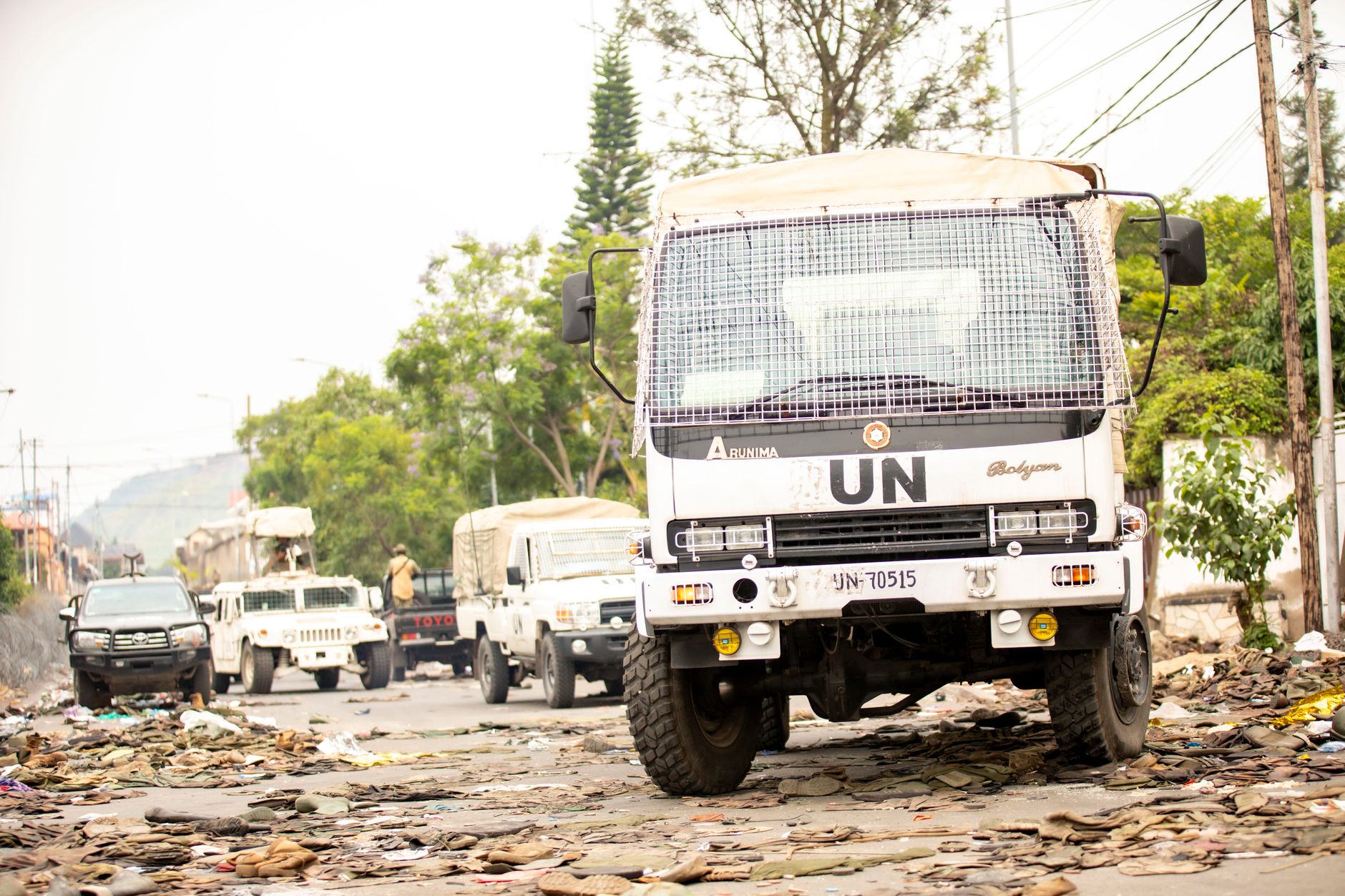
UN says conflict-related sexual violence more than doubled in 2025
Last updated May 30, 2026
- The report strengthens accountability pressure and changes the diplomatic framing of several active wars.
- UN investigators documented nearly 10,000 cases of conflict-related sexual violence around the world in 2025, more than double the number verified the year before, according to UN.
- The cases included rape, sexual slavery and abduction used as weapons of war across Africa, the Middle East, Europe and the Caribbean, according to the UN News excerpt and Jamaica.
Still unclear: What local readers are seeing from the ground
UN investigators documented nearly 10,000 cases of conflict-related sexual violence around the world in 2025, more than double the number verified the year before, according to UN reporting cited by UN News, the Jamaica Observer, Al Jazeera and The New York Times excerpt supplied in the source packet.
The cases included rape, sexual slavery and abduction used as weapons of war across Africa, the Middle East, Europe and the Caribbean, according to the UN News excerpt and Jamaica Observer reporting. The supplied article packet does not provide a full country-by-country table, but it verifies the global scale and cross-regional spread.
The report also changed the diplomatic frame around several conflicts. Al Jazeera reported that the United Nations confirmed it placed Israel on a list of countries suspected of committing sexual violence against civilians, alongside coverage that Russia was also among new additions. Israel’s foreign ministry responded by saying it would sever all ties with UN Secretary-General António Guterres, according to Al Jazeera.
The Israel dispute shows how quickly documentation becomes a political fight. Al Jazeera reported that the UN had cited “credible information” last August about sexual violence by Israeli security forces against Palestinian detainees in prisons and detention centres, and said UN inspectors had been denied access. Israel’s UN ambassador Danny Danon rejected the allegations as “ridiculous” and said Israel had invited the UN representative to check them.
The UN figure is not presented as a full count of harm. The New York Times excerpt says a UN special representative described the nearly 10,000 documented cases as “the very tip of the iceberg.” That caveat matters because conflict, fear, stigma, insecurity and restricted access can prevent survivors from reporting abuse and can limit investigators’ ability to verify cases.
The Jamaica Observer placed the sexual-violence findings alongside Haiti’s worsening displacement crisis. It reported that nearly 1.5 million people in Haiti had been displaced as of May, including 95,000 newly displaced between December 2024 and May 2025, with violence in the Port-au-Prince metropolitan area pushing displacement there beyond 300,000 for the first time.
The same report said Médecins Sans Frontières had been treating victims and survivors of sexual and gender-based violence at its Pran Men’m clinic in Port-au-Prince. That detail connects the UN documentation to the public systems that carry the consequences: clinics, shelters, displacement sites, legal services and humanitarian teams working where armed groups or armies can restrict access.
What remains uncertain from the supplied evidence is the full list of parties named by the UN, the complete country-by-country breakdown and the specific verification standard applied to each named actor. The sources verify the global increase, the cross-regional spread, the Israel and Russia blacklist additions, and the access dispute around Israeli detention facilities, but not every underlying case file.
The larger implication is that conflict-related sexual violence is being measured not only as individual criminal harm but as a recurring feature of wartime control. When documentation rises while access remains obstructed, the official count can expand at the same time as the real scale remains partly hidden.
Add context
Know something useful about this story?
Albis is built for public understanding. If you have a source, lived experience, or a missing angle, you can add context for others.
Share context →Sources for this article are being documented. Albis is building transparent source tracking for every story.
Conversation
What are you seeing?
Add local context, a source, a question, or a perspective we may have missed. You can comment as a guest or create a free account.
Loading conversation…
Get the daily briefing free
News from 7 regions and 16 languages, delivered to your inbox every morning.
Free · Daily · Unsubscribe anytime
🔒 We never share your email
Related Stories

Ukraine refinery and Black Sea tanker strike claim is not verified by the supplied sources

European diplomatic response to Russian threats toward Kyiv is only partly verified
