Brent Crude Hits $141. Economists Warn of Stagflation Not Seen Since the 1970s.
Spot oil prices reached their highest level since 2008 as KPMG and the OECD warned that the energy shock could trigger simultaneous inflation and economic contraction.

Brent crude spot prices hit $141 per barrel on April 3, the highest level since the 2008 financial crisis. The spot premium over futures contracts exceeded $30 — a gap that traders call "backwardation" and that signals buyers are paying extraordinary premiums for physical oil they can take delivery of now, rather than waiting for contracted shipments that may never arrive.
WTI crude, the U.S. benchmark, closed at $111.29 — inverted above Brent for the first time in recent memory. The inversion indicates that U.S.-accessible oil supply is even scarcer than global supply, an abnormal structure that pricing analysts described as a "structural alarm."
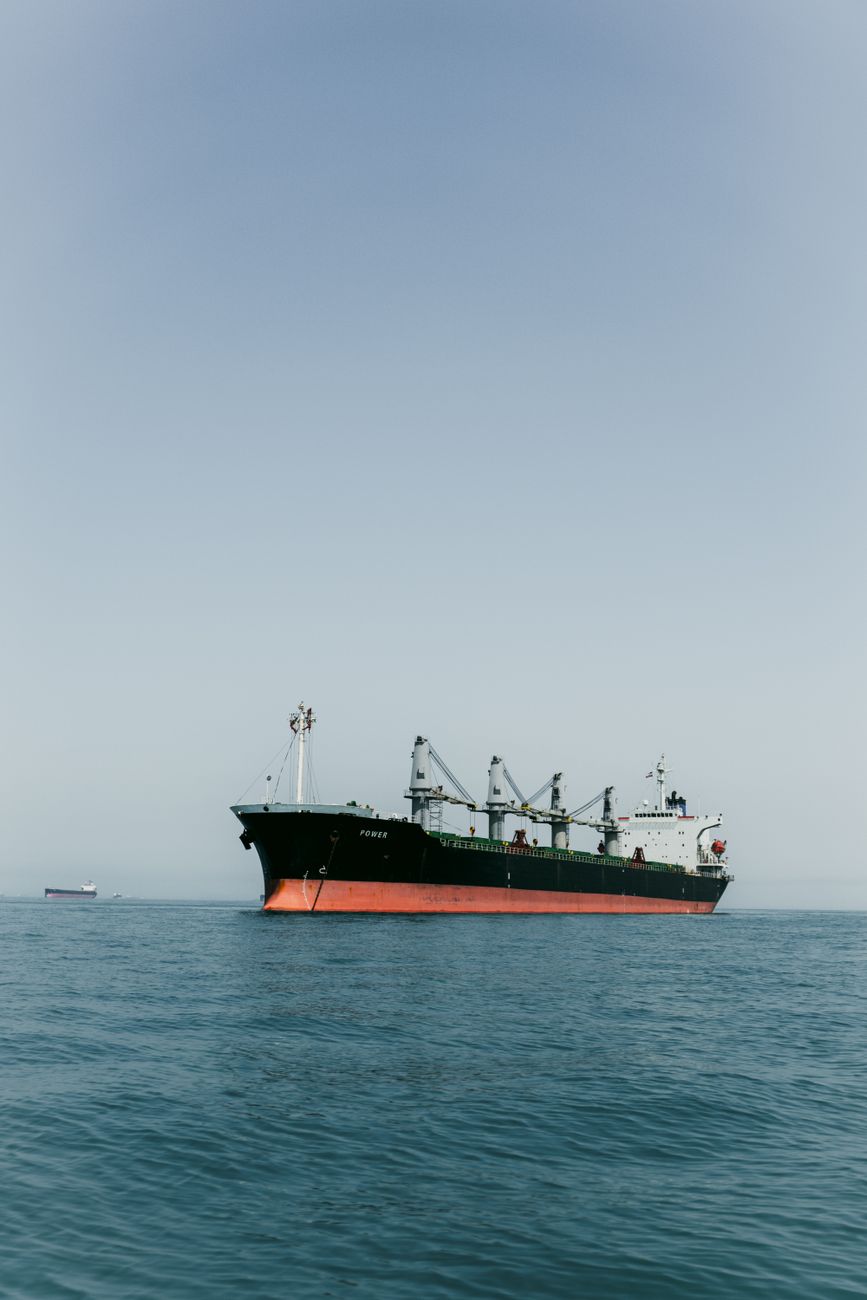
The Strait of Hormuz, through which 20% of global oil and liquefied natural gas transits, has been effectively closed to NATO-aligned shipping since early March. Ship crossings fell from more than 130 per day to single digits. Iran is operating a selective passage regime, allowing vessels flagged to China, Russia, India, and several other nations while blocking those tied to the U.S.-led coalition.
KPMG published an analysis warning that the energy price shock risks triggering stagflation — the combination of persistent inflation and economic contraction that defined the mid-1970s. The OECD raised its global inflation forecast. One KPMG economist said a "deep recession" may be the only mechanism that brings prices back down, because the supply disruption cannot be resolved by monetary policy alone.
The U.S. Strategic Petroleum Reserve holds approximately 415 million barrels — 58% of its 714-million-barrel capacity. The Department of Energy initiated an emergency exchange program, but reserves that took decades to build can be depleted in months at elevated drawdown rates.
The administration took the unusual step of temporarily easing sanctions on both Russian and Iranian oil to increase available supply. The Council on Foreign Relations described the move as a "gamble that benefits adversaries" while doing little to lower prices, because the physical constraint — Hormuz closure — remains regardless of which oil is sanctioned on paper.
Turkey reported March inflation at 30.87% year-over-year, with energy price hikes of 20-25% taking effect on April 4. Standard & Poor's raised its 2026 Turkish inflation forecast. The Turkish central bank halted interest rate cuts.
In Europe, Slovenia became the first EU nation to ration fuel at the pump. Lithuania halved train fares. The European Commission said all options for fuel rationing remained under consideration. EU natural gas prices, which had been declining before the war, reversed course entirely.
Japan released 80 million barrels from strategic reserves and saw power retailers halt new customer sign-ups. New Zealand diesel reached $3.42 per litre. Thailand banned fuel exports.
The last time oil reached comparable real-dollar levels, in 2008, the price spike preceded a global financial crisis and severe recession. In 1973, the Arab oil embargo produced stagflation that lasted nearly a decade and reshaped American economic policy.
The current spike carries an additional complication. Unlike 2008, when the price increase reflected demand-side pressure from a booming global economy, the 2026 increase is supply-driven — caused by the physical closure of a shipping chokepoint. Supply-driven oil shocks are historically more damaging to economic growth because they cannot be managed by cooling demand. The oil is simply not available.
Gold held above $3,100 per ounce, reflecting sustained safe-haven demand. Emerging market currencies — the Turkish lira, Egyptian pound, Nigerian naira, and Pakistani rupee — all came under pressure from surging oil import bills denominated in dollars.
Forty nations held emergency talks this week on reopening Hormuz. No agreement was reached. Iran's ceasefire conditions, communicated through CNN, have not been publicly disclosed. The blockade enters its second month with no diplomatic resolution in sight.
Add context
Know something useful about this story?
Albis is built for public understanding. If you have a source, lived experience, or a missing angle, you can add context for others.
Share context →Sources for this article are being documented. Albis is building transparent source tracking for every story.
Conversation
What are you seeing?
Add local context, a source, a question, or a perspective we may have missed. You can comment as a guest or create a free account.
Loading conversation…
Get the daily briefing free
News from 7 regions and 16 languages, delivered to your inbox every morning.
Free · Daily · Unsubscribe anytime
🔒 We never share your email