Hormuz Is Moving Again, but the Real Update Is That the Deal Still Does Not Exist
Some tankers are moving through Hormuz again, but the meaningful update is that U.S.-Iran talks ended without a final deal, leaving the corridor open in practice and unstable in principle.
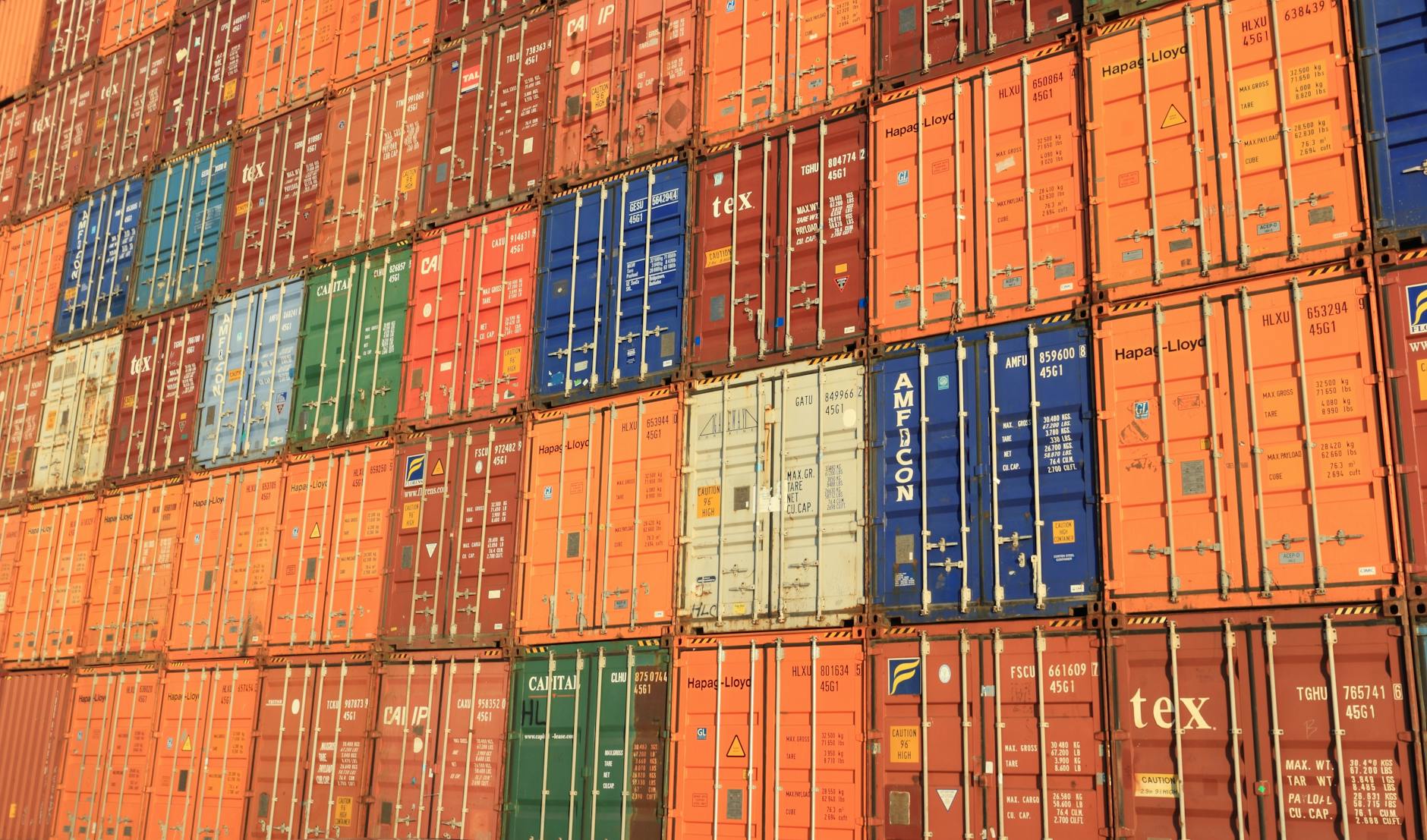
A fully loaded tanker passing through the Strait of Hormuz is now news again. That is how narrow the reopening still is.
Reuters and other wire reports in the latest Albis scan show that some laden ships have resumed transit through the strait after the U.S.-Iran ceasefire. But the more important update is not the movement itself. It is that Washington and Tehran ended their latest talks without a final agreement, while President Donald Trump publicly threatened an immediate U.S. naval blockade if the process stalls further.
That leaves Hormuz in an unusual state: open enough for movement, unresolved enough for fear.
This matters because yesterday's meaningful question was whether traffic could restart at all. Today's question is different. It is whether a corridor can function when the diplomacy behind it still has no durable settlement, no settled enforcement rules and no agreed end state.
That distinction matters more than the headline count of ships.
Albis has already tracked the earlier phase of this story in Hormuz Clearing Begins but the Shipping Shock Is Still Passing Through, which focused on mine-clearing, low traffic counts and the costs still flowing through freight and energy markets. This is a different layer. The issue now is not only whether ships can move. It is whether the political architecture holding that movement together exists yet.
Right now, it does not.
The talks ended without a final deal. Iran's Revolutionary Guards have warned that military vessels approaching the strait would count as a breach of the ceasefire. Washington, meanwhile, is still using naval pressure as part of the bargaining posture. Commercial traffic is therefore restarting inside a corridor that remains one naval incident away from renewed closure.
That is why title honesty matters here. This is not a breaking-news "Hormuz reopens" story. It is a live systems update on a corridor that has shifted from shut-or-war framing into something more fragile: partial passage without settled trust.
The market consequences are easy to understand. Insurers do not price rhetoric. Shipowners do not sail on press statements. Traders ask a simpler question: is the route stable enough to count on next week, not just navigable today.
Across regions, the framing gap is still wide. In U.S. coverage, the emphasis falls on failed talks and coercive leverage. In Gulf and broader Middle Eastern coverage, the strait is treated less as a neutral lane and more as a bargaining instrument inside a wider contest over sanctions, sovereignty and the shape of the ceasefire. In Asian importing economies, the frame is even less ideological. The question there is whether enough cargo moves to keep fuel, plastics, fertilizer and food-import costs from staying elevated.
That last point is where the story leaves the shipping pages and enters ordinary life. Hormuz is not just an oil map problem. When the lane remains conditionally open, refiners hesitate, freight costs stay sticky and fertilizer supply stays more vulnerable than the headline crude price alone suggests. The pressure then travels outward into food systems, household budgets and import bills in economies far from the Gulf.
This is why a patchy reopening can still be globally significant. A corridor does not have to be formally closed to keep transmitting inflation.
The deeper systems question is whether this becomes a managed transition or a churn cycle. A managed transition would mean repeated commercial transits, calmer insurance conditions and a resumed diplomatic track with clearer red lines. A churn cycle would mean every resumed ship is followed by another threat, another warning, another military signal and another pause in confidence.
For now, the evidence points to the second condition more than the first.
What changed since the last meaningful coverage is real: some tankers are moving again, and the ceasefire has not collapsed outright. What remains unresolved is even more important: there is still no final deal, no stable corridor regime and no guarantee that naval pressure will not outrun diplomacy. What to watch next is not whether officials call Hormuz open, but whether ordinary commercial flow starts to look routine.
If it does, de-escalation is becoming operational. If it does not, the world will still be living inside a shipping shock with a ceasefire label attached.
Company Daily Scan
Track stories like this for your company.
Albis can turn the same global scan into a private daily briefing for your sector, regions, risks, and watchlist.
See how the company scan works →Sources for this article are being documented. Albis is building transparent source tracking for every story.
Conversation
What are you seeing?
Add local context, a source, a question, or a perspective we may have missed. You can comment as a guest or create a free account.
Loading conversation…
Get the daily briefing free
News from 7 regions and 16 languages, delivered to your inbox every morning.
Free · Daily · Unsubscribe anytime
🔒 We never share your email
