Iran Strikes Kuwait Water Plant, Indian Worker Killed
An Iranian missile hit a Kuwait desalination plant today, killing an Indian worker — the eighth Indian to die in the Gulf war. 35 million foreign nationals are trapped in someone else's conflict.
An Iranian missile hit a power and water desalination plant in Kuwait today, killing an Indian worker and damaging a service building. He is the eighth Indian national to die in the Gulf war. He won't be the last.
Kuwait's Ministry of Electricity and Water called it "sinful Iranian aggression." Technical teams rushed to contain the damage. Operations continued. The news cycle moved on. But the strike exposed something that oil prices and military briefings keep obscuring: this war is being fought on the bodies and livelihoods of people who have no stake in it.
35 Million People in the Crossfire
The Gulf states — Bahrain, Kuwait, Oman, Qatar, Saudi Arabia, and the UAE — are home to 35 million foreign nationals. They make up the majority of the region's 62 million total population. Nine million are from India. Five million each from Pakistan and Bangladesh. 1.2 million from Nepal. 650,000 from Sri Lanka.
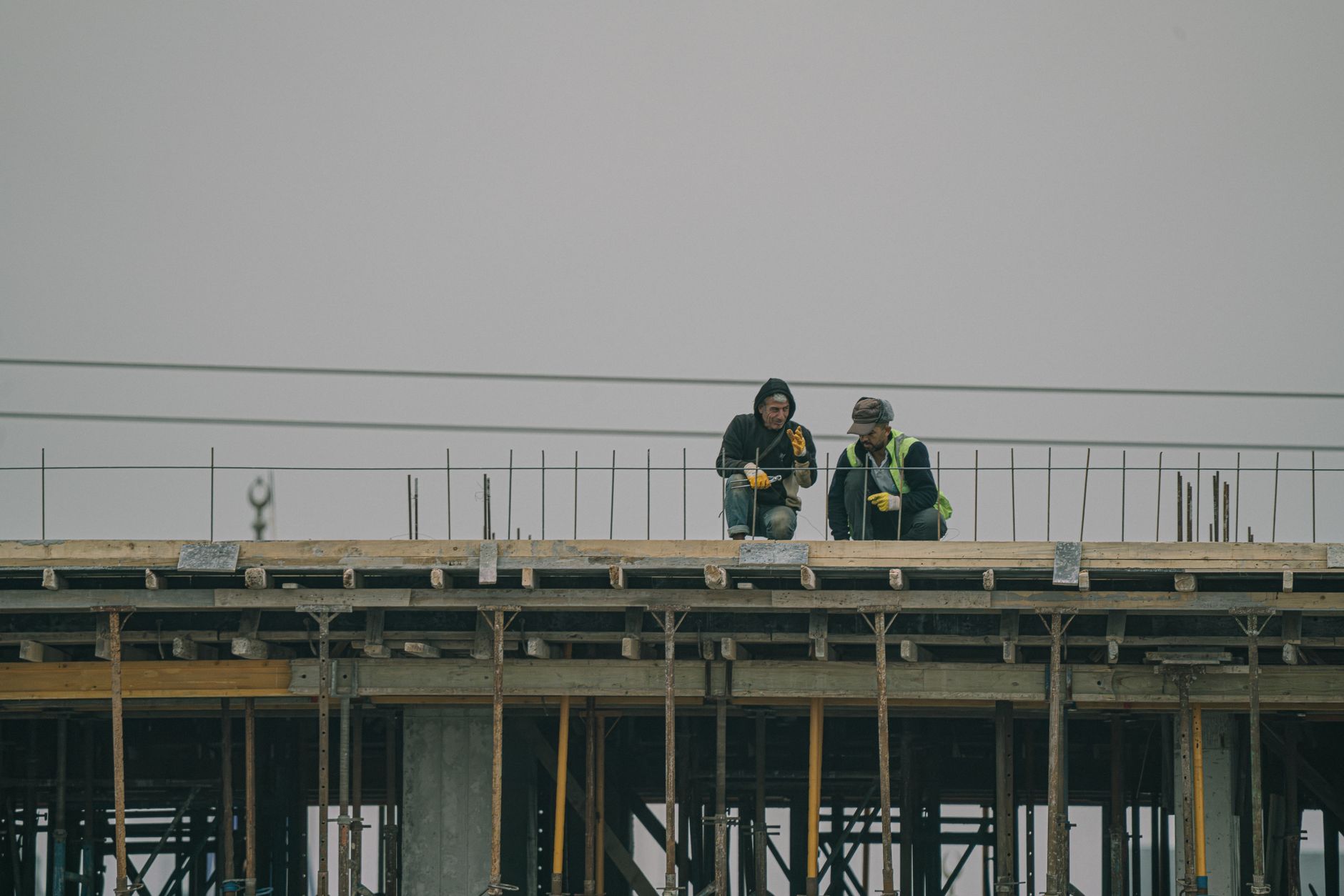
They build the towers, drive the trucks, clean the offices, and maintain the desalination plants that produce 90% of Kuwait's drinking water. When missiles land, they're the ones standing next to the infrastructure.
Of the 25 people killed in Gulf states since the war began on February 28, most have been migrant workers from South Asia. Five Indians, four Bangladeshis, two Pakistanis, one Nepali — killed while working as drivers, labourers, cleaners, and sailors. Last Thursday, an Indian national died from falling debris after a ballistic missile was intercepted over Abu Dhabi.
Trapped Between Debt and Danger
The human calculus is brutal. A 25-year-old Indian pipe fitter named Kuna Khuntia had moved to Doha in late 2025, earning 35,000 rupees ($372) per month. His family had taken on 300,000 rupees ($3,200) in debt for his sisters' weddings. He was sending $164 home every month to pay it off. On March 7, he collapsed from a heart attack after hearing missiles and debris near his residence.
"He promised to return after clearing our debts," his father told Al Jazeera. "But he came back in a coffin."
This pattern repeats across millions of families. Remittances from the Gulf make up over 26% of GDP for Nepal. For Bangladesh, Pakistan, and Sri Lanka, the flows run into billions. These workers can't easily leave — many paid recruitment fees to get their jobs, and returning home means losing income their families depend on to survive.
Water as a Weapon
Today's strike adds to a pattern. Bahrain reported an Iranian drone attack that damaged a desalination plant on March 8 — the first confirmed hit on Gulf water infrastructure. Iranian strikes on March 2 landed 20 kilometres from Dubai's Jebel Ali complex, which houses 43 desalination units producing over 160 billion gallons of water annually.
The vulnerability is staggering: 90% of Kuwait's drinking water comes from desalination. In Oman, the same. Saudi Arabia, 70%. The UAE, 42%. These plants are fixed, complex, coastal installations that cannot be bypassed or quickly repaired. CSIS estimates that Kuwait's emergency water reserves would last just two days under normal demand — stretching to 16-45 days only with severe rationing.
A successful strike on even a few key plants could leave Gulf cities without drinking water within days. The Guardian described it as "the Gulf's greatest weakness."
The Perception Gap
The Albis Perception Gap Index scored this story 6.0. The split is telling. Middle Eastern media leads with Gulf solidarity and infrastructure vulnerability. South Asian media — Hindi, Urdu, Bengali outlets — leads with the worker's name, his family, and the mounting death toll. Western English-language coverage barely registers either angle.
The war has killed nearly 2,000 people in Iran, 19 in Israel, 13 US soldiers, and 25 in Gulf states. But the 35 million foreign workers caught between missiles and mortgages are the war's largest invisible population. They keep Gulf cities running. When the infrastructure they maintain gets hit, they're the first to die and the last to be named.
One Indian worker was killed at a Kuwait water plant today. His name hasn't been released yet. In Delhi, Mumbai, Dhaka, and Kathmandu, millions of families are checking their phones, hoping the next call isn't about them.
Add context
Know something useful about this story?
Albis is built for public understanding. If you have a source, lived experience, or a missing angle, you can add context for others.
Share context →Sources & Verification
Based on 5 sources from 4 regions
- Al JazeeraMiddle East
- India TodaySouth Asia
- The StatesmanSouth Asia
- The ConversationInternational
- CSISNorth America
Conversation
What are you seeing?
Add local context, a source, a question, or a perspective we may have missed. You can comment as a guest or create a free account.
Loading conversation…
Get the daily briefing free
News from 7 regions and 16 languages, delivered to your inbox every morning.
Free · Daily · Unsubscribe anytime
🔒 We never share your email