What Most English Feeds Missed When Comoros Suspended Fuel Price Hikes
A week of strikes, two deaths and a government retreat in Comoros drew sustained French-language coverage across the western Indian Ocean while English attention stayed thin and mostly wire-driven.
At 46% for diesel and 33% for petrol, the price notice posted in Comoros this month did what oil-market charts rarely do on English front pages: it shut shops, stopped transport and ended with two protesters dead. French-language outlets across the western Indian Ocean treated the rollback that followed as a major political crisis. In English, the story barely moved beyond Reuters and a scattering of pickups.
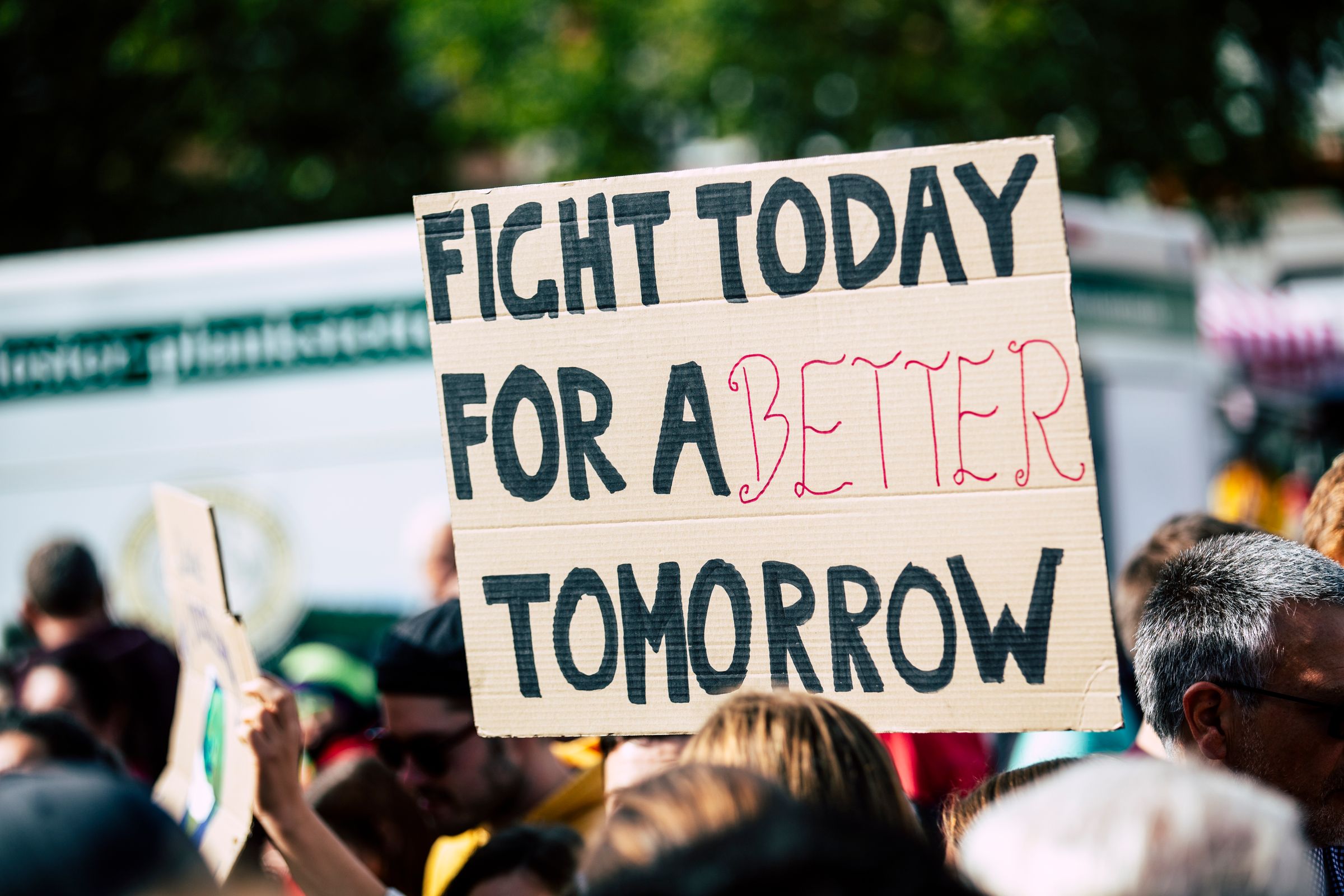
By Saturday night in Moroni, the mood had flipped from standoff to release. RFI reported that the government suspended the fuel-price orders after six days of strike action, two deaths and tensions across the archipelago. La 1ère Mayotte, citing AFP, described horns sounding in celebration after the announcement. The same report said some of the injured had crossed clandestinely to Mayotte by kwassa boat for treatment.
That is not how the story looked in most English feeds.
English readers could find the Reuters dispatch: Comoros had suspended price increases introduced in response to the Iran war after deadly unrest. That was the core fact. But the surrounding texture sat mostly in French-language coverage from RFI, La 1ère, Mayotte outlets and regional African publications, where the episode was treated as a week-long breakdown of daily life in a country highly exposed to imported energy costs.
The numbers explain why the protests moved so fast. According to La 1ère's AFP report, the tariffs published on May 9 raised diesel prices by 46% and petrol by 33%. In a small island state where transport, fishing and retail all feel fuel shocks quickly, that was not a marginal adjustment. It hit the operating cost of moving people and goods almost at once.
RFI's reporting traced the escalation through the week. Drivers and traders launched an unlimited strike. Barricades appeared. Moroni's economy slowed sharply. In Anjouan, the prosecutor's office in Mutsamudu opened an investigation after clashes in Mpage between young protesters and security forces. Le Journal de Mayotte, citing the same local judicial account, reported two deaths and five serious injuries.
The government's retreat was therefore more than a pricing tweak. It was a visible reversal under pressure. RFI said authorities not only froze the increases but promised a national consultation with affected groups. La 1ère quoted the energy minister saying the move was made in the name of President Azali Assoumani to preserve peace. Union leaders then urged traders to reopen, including on Sunday.
Why did this receive such little English attention? Part of the answer is scale. Comoros is small, far from the main Anglo news agenda, and easy to treat as a peripheral aftershock of a larger Middle East energy crisis. Another part is language geography. For French-speaking media in Mayotte, Réunion, Paris and parts of Africa, Comoros is not peripheral at all. It is inside a shared political and social field. A fuel-price revolt there is regional news, not a brief.
That difference matters because the story shows how global shocks actually land. The Iran war did not only move tanker risk, sanctions policy and oil futures. It also fed directly into the pump price on an Indian Ocean archipelago, where a government tried to pass on the cost and then backed down after strikes and deaths. When English coverage reduces that chain to a short unrest item, readers miss the mechanism.
They also miss the policy signal. Governments under imported-energy stress are discovering that even short-term price transmission can become politically unaffordable. Comoros is a small case, but it is a clean one: a state raised prices, society froze key sectors, violence followed, and the state reversed course within days. That is a stronger warning than a ministerial speech about inflation.
This is what makes the episode an Unseen story. It was not invisible in absolute terms. Reuters had it. Some English syndications followed. But the center of gravity sat elsewhere, in Francophone and regional reporting that treated the strikes, the deaths in Anjouan and the government's retreat as a serious domestic rupture.
If your feed stayed in English, you probably saw the oil war as a map, a market and a diplomatic theater. In Comoros, it looked different. It looked like closed storefronts, roadblocks and a late-night climbdown announced after two people were dead.
Add context
Know something useful about this story?
Albis is built for public understanding. If you have a source, lived experience, or a missing angle, you can add context for others.
Share context →Sources & Verification
Based on 4 sources from 4 regions
- RFIFrance/Africa
- La 1ère Mayotte / AFPIndian Ocean/France
- ReutersGlobal English
- Le Journal de MayotteMayotte/Indian Ocean
Conversation
What are you seeing?
Add local context, a source, a question, or a perspective we may have missed. You can comment as a guest or create a free account.
Loading conversation…
Get the daily briefing free
News from 7 regions and 16 languages, delivered to your inbox every morning.
Free · Daily · Unsubscribe anytime
🔒 We never share your email
Related Stories
The Counter-Extremism Story Your Feed Barely Showed You: Mauritania’s Female Islamic Guides