The Gas That Keeps Hospitals and Chip Factories Running Is Running Out
Thirty-five percent of the world's helium supply transits the Strait of Hormuz. With the strait closed, hospitals face MRI shutdowns and chipmakers face production halts.
Qatar's Ras Laffan facility produces 25% of the world's helium. It ships almost all of it through the Strait of Hormuz. The strait has been closed to most commercial traffic for four weeks.
Global helium spot prices rose 48% in March, according to gasworld, an industry tracker. Contract prices for medical and semiconductor-grade helium are being renegotiated at double their February levels, three major distributors confirmed to Reuters.
The shortage threatens two industries that depend on helium for reasons most people never consider: hospitals that run MRI machines and semiconductor plants that manufacture computer chips.
Why Hospitals Need Helium
Magnetic resonance imaging machines use liquid helium to cool their superconducting magnets to minus 269 degrees Celsius — four degrees above absolute zero. Without helium, the magnets overheat and the machine shuts down. There is no substitute coolant.
The average hospital MRI system requires a helium refill every 12 to 18 months. In a shortage, hospitals with newer sealed systems can operate longer. Older models, which vent helium during normal operation, run out faster.
The UK's National Health Service operates approximately 500 MRI scanners. The Royal College of Radiologists warned Monday that some units face "helium exhaustion within 60 to 90 days" if supply is not restored.
"We are already prioritising cancer and emergency scans over routine imaging," said Dr. Nicola Strickland, president of the Royal College. "If helium supply does not recover by June, we will face equipment shutdowns."
The United States operates roughly 12,000 MRI machines. The American College of Radiology has not issued a public warning but advised members in an internal memo to "extend maintenance intervals and reduce helium consumption where technically feasible," according to a copy reviewed by Bloomberg.
Why Chip Factories Need Helium
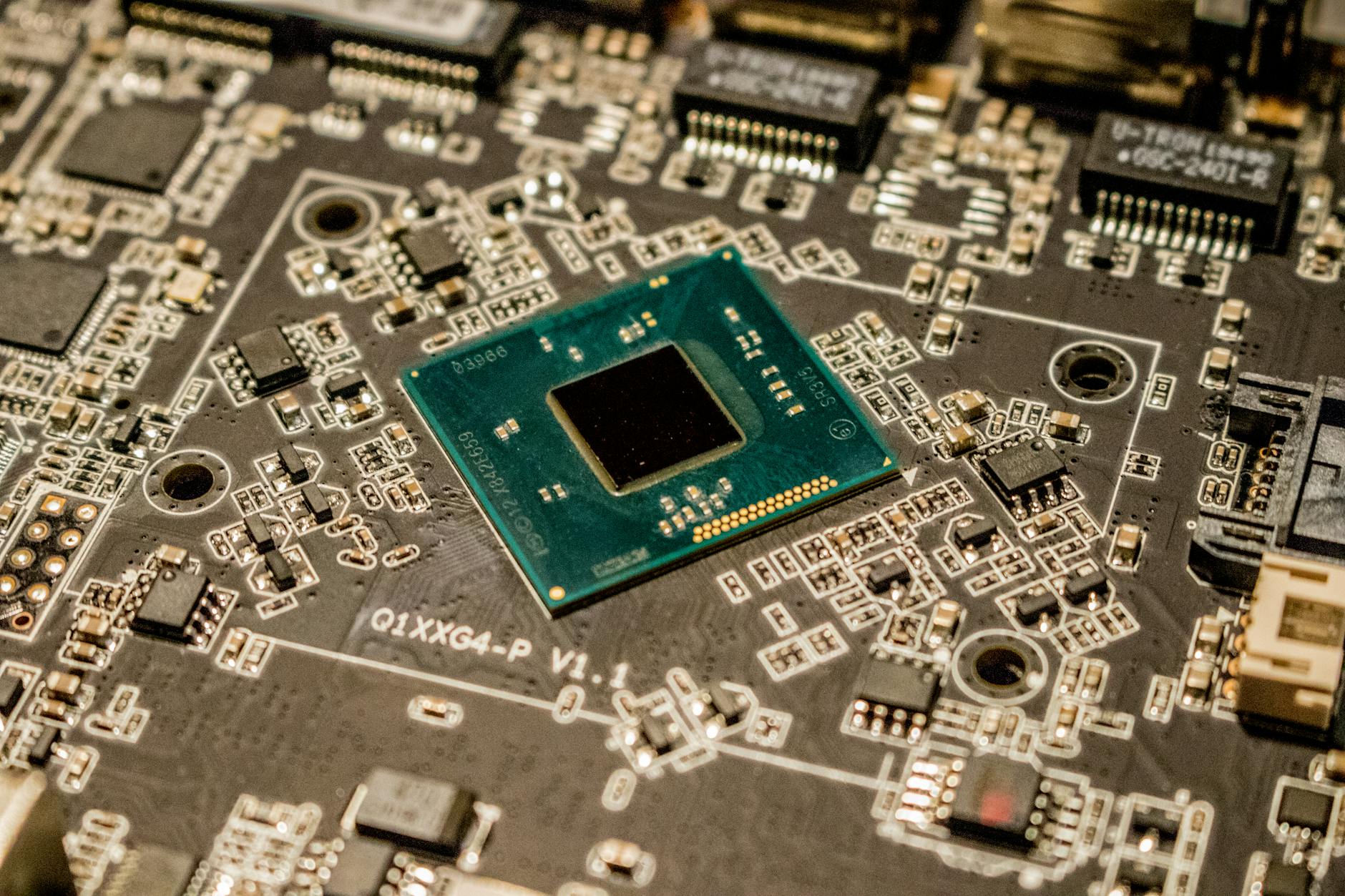
Semiconductor fabrication requires ultra-pure helium at multiple stages. It serves as a carrier gas during chemical vapour deposition, a coolant for lithography systems, and a leak-detection agent for vacuum chambers. Advanced chips — the kind used in AI processors, smartphones, and cars — require the most.
South Korea's Samsung Electronics and SK Hynix, which together produce roughly 60% of the world's memory chips, source a significant portion of their helium from Qatar.
South Korean media has covered the shortage extensively. Korea's Ministry of Trade told Yonhap that domestic helium reserves could sustain current production levels for "approximately 30 to 60 days," depending on consumption patterns.
Neon, another noble gas essential to chip lithography, faces a parallel crunch. Ukraine supplied roughly 50% of the world's semiconductor-grade neon before 2022. That supply never fully recovered. Now Gulf-sourced neon is also constrained.
"You're looking at a convergence of two supply disruptions that each would be serious on their own," said Dan Hutcheson, vice chairman of TechInsights. "Together, they could force production slowdowns at every major fab outside of China."
What China Has
China operates the world's largest helium extraction plant in Chongqing, built specifically to reduce dependence on imports. Beijing also controls significant neon production capacity.
If chip production slows in South Korea, Japan, and Taiwan while Chinese facilities continue operating, the competitive implications extend well beyond semiconductors.
"This isn't just an industrial gas shortage," said Chris Miller, author of Chip War and professor at Tufts University. "It's a strategic vulnerability that nobody planned for because nobody imagined both Hormuz and Ukraine disruptions would compound simultaneously."
The Alternatives
The United States holds the world's largest helium reserve at a federal facility in Amarillo, Texas. Congress voted in 2023 to begin selling off the reserve, and stockpiles are roughly 40% of their 2015 levels.
Algeria and Russia also produce helium, but neither has spare capacity to offset the Qatar shortfall on short notice. New extraction projects in Tanzania and Canada are years from commercial production.
The Bureau of Land Management, which manages the Amarillo reserve, said it was "assessing options" but had not announced emergency releases.
Hospitals and chipmakers are now competing for the same diminishing supply. The question is which gets priority — and who decides.
Add context
Know something useful about this story?
Albis is built for public understanding. If you have a source, lived experience, or a missing angle, you can add context for others.
Share context →Sources for this article are being documented. Albis is building transparent source tracking for every story.
Conversation
What are you seeing?
Add local context, a source, a question, or a perspective we may have missed. You can comment as a guest or create a free account.
Loading conversation…
Get the daily briefing free
News from 7 regions and 16 languages, delivered to your inbox every morning.
Free · Daily · Unsubscribe anytime
🔒 We never share your email