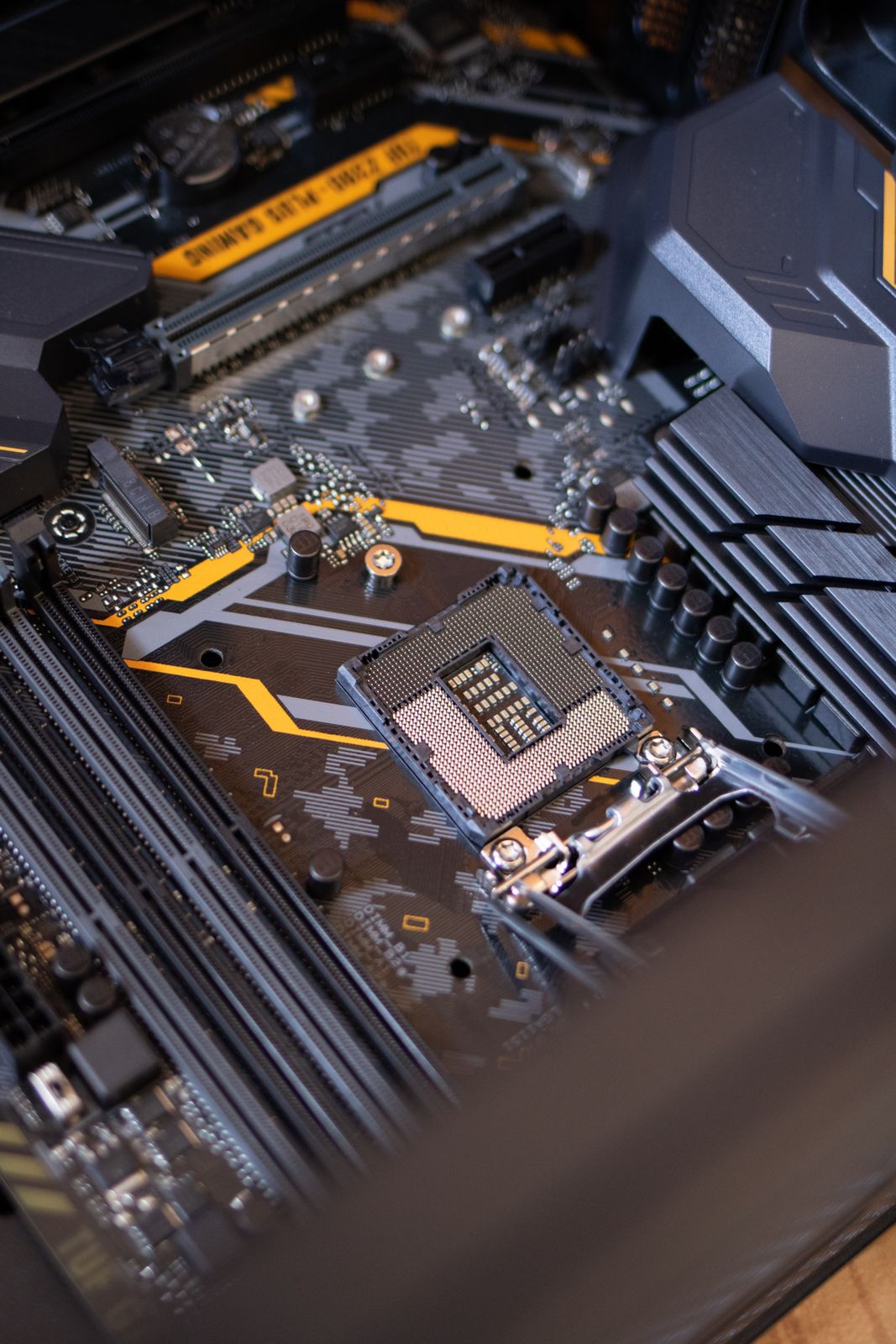
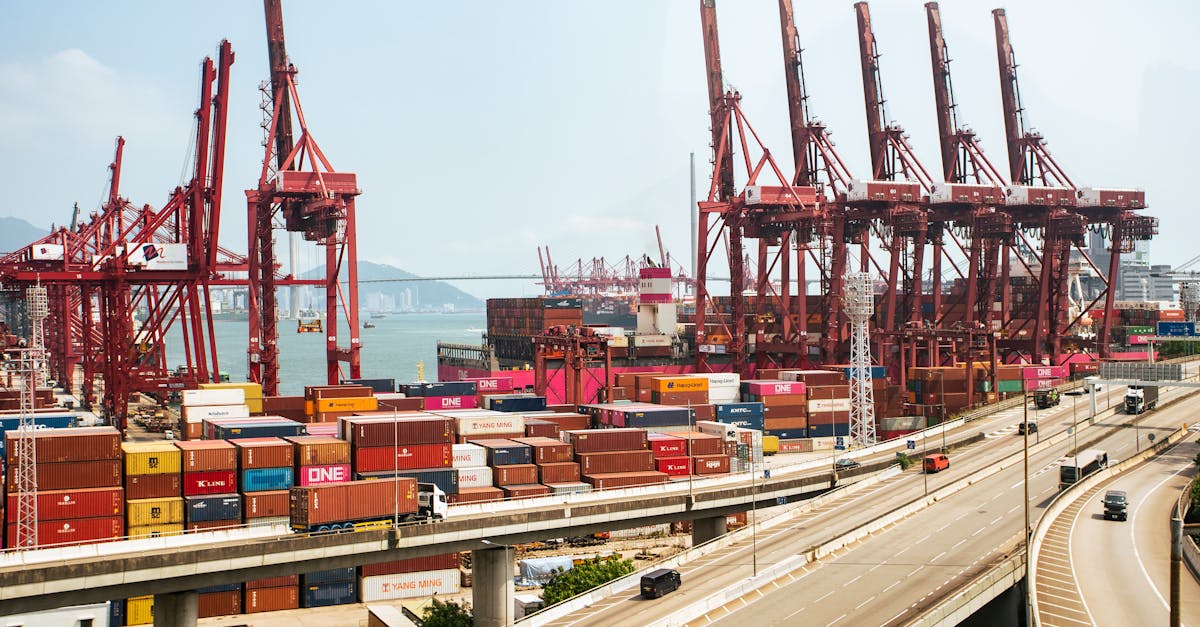
TSMC says it can make smaller, faster chips without ASML’s most expensive new tool
If sustained, the claim could change cost curves and dependencies across the semiconductor equipment ecosystem.

TSMC says it can make smaller, faster chips without ASML’s most expensive new tool. If sustained, the claim could change cost curves and dependencies across the semiconductor equipment ecosystem. The pressure point sits in East & SE Asia. The detail to watch is tsmc, because that is where the abstract headline starts turning concrete.
What changed here is not vague mood but a concrete shift readers can point to: TSMC says it can make smaller, faster chips without ASML’s most expensive new tool. The practical question is whether that change stays narrow or starts forcing new behaviour around tsmc, in ministries, ports, clinics, courts, warehouses, campuses, or households. If sustained, the claim could change cost curves and dependencies across the semiconductor equipment ecosystem.
The useful part of a technology story is the bottleneck it reveals. Energy access, data governance, server capacity, chip supply, and standards-setting all shape who can build fast and who gets left explaining delays. Once that mechanism is visible, the story stops sounding like a generic innovation update.
Why this matters depends on where you stand. For some readers it is a fuel-price story, for others a migration-policy story, a sanctions-enforcement story, a vaccine-delivery story, or a question of whether daily life just got harder somewhere that is already stretched. If sustained, the claim could change cost curves and dependencies across the semiconductor equipment ecosystem. The article should help the reader feel that chain clearly without padding the drama.
Attention is clustering in East & SE Asia, Europe, US, Global. The scan also flags divergence, consensus, so different audiences are not just seeing different tone but sometimes a different centre of gravity. The breadth score is strong, so this is already travelling well beyond one national conversation.
This is one of the stronger live signals in the scan. The interesting part is often the middle stage: after the trigger, before the new baseline fully hardens. That is when officials test language, markets test prices, and ordinary people start to notice whether the story is touching transport, food, energy, safety, health, or paperwork in real life.
A good scan-style article gives the reader handles. What would confirm this is deepening? What would show it is fading? Depending on the story, that could be ship movements, freight rates, aid access, school closures, public procurement, hospital admissions, or the fine print of a court or ministry decision. Those details keep the piece grounded and make it easier to revisit tomorrow with fresh evidence.
From here, the follow-through matters more than the quote. Watch whether the move is enforced, whether costs or access actually change, whether neighbouring actors copy or resist it, and whether the story starts showing up in places that were initially quiet. That is usually the moment when a strange or local-seeming development reveals itself as a wider systems signal.
That is why this belongs in the published set. It offers a real shift, a visible consequence chain, or an under-seen human or systems angle that broadens the scan beyond the obvious cluster. The aim is not to make every item feel monumental. It is to make the selected stories feel alive, specific, and worth a reader's attention.
Add context
Know something useful about this story?
Albis is built for public understanding. If you have a source, lived experience, or a missing angle, you can add context for others.
Share context →Sources for this article are being documented. Albis is building transparent source tracking for every story.
Conversation
What are you seeing?
Add local context, a source, a question, or a perspective we may have missed. You can comment as a guest or create a free account.
Loading conversation…
Get the daily briefing free
News from 7 regions and 16 languages, delivered to your inbox every morning.
Free · Daily · Unsubscribe anytime
🔒 We never share your email