Arab Food Risk Rises as Price Shock Deepens
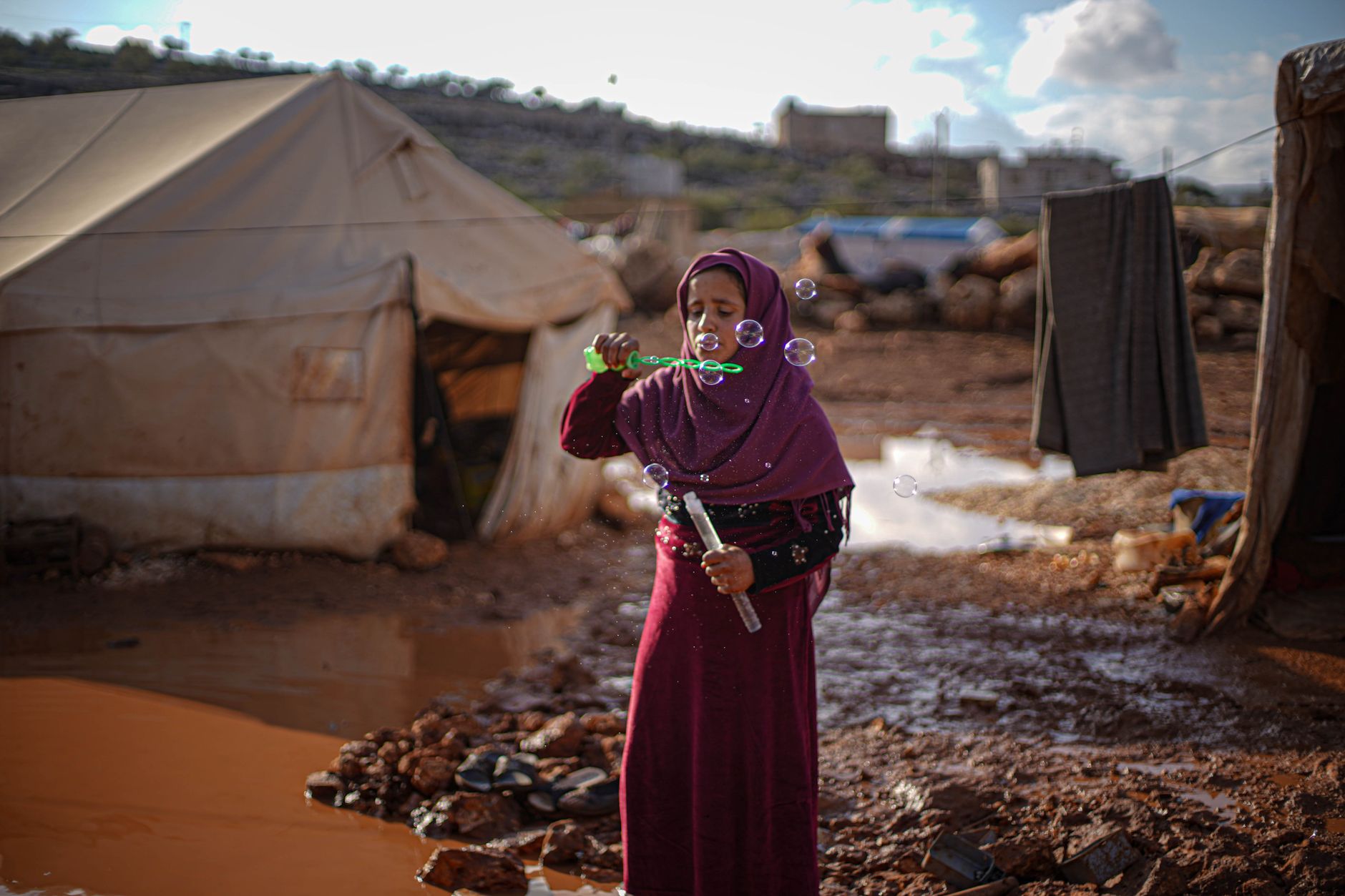
A 20% rise in global food prices could push 5 million more people into food insecurity across Arab middle- and low-income countries, according to ESCWA.
A 20% rise in global food prices could push an additional 5 million people into food insecurity across Arab middle- and low-income countries, according to a new policy brief from the United Nations Economic and Social Commission for Western Asia.
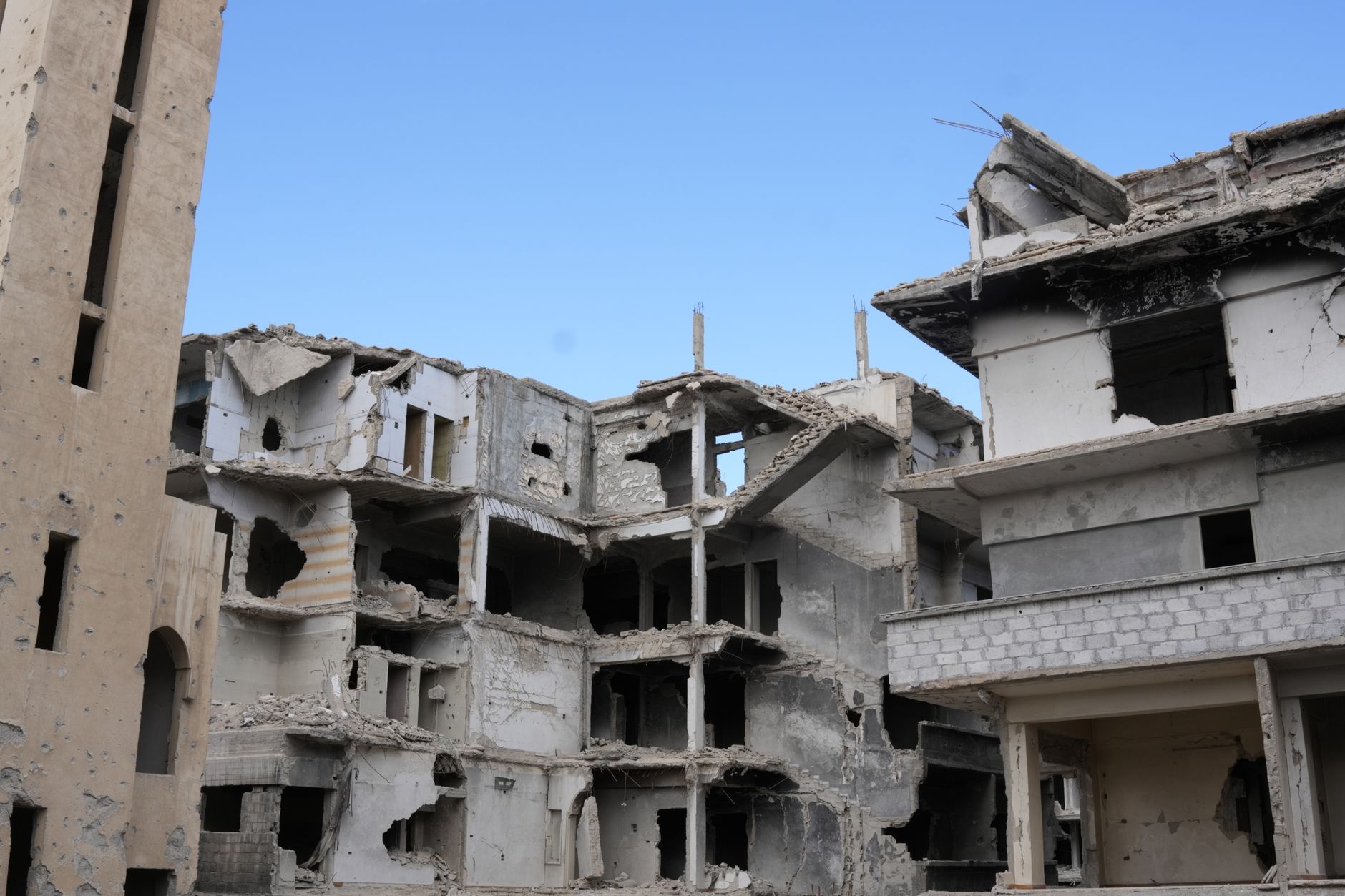
The ESCWA brief, dated April 2 and reproduced by Mirage News, said the risk is immediate for fragile and conflict-affected countries with limited fiscal space and heavy dependence on food imports. It linked the warning directly to the regional conflict and the near-closure of the Strait of Hormuz, which it said has disrupted energy trade, raised transport and insurance costs and driven oil prices above $112 a barrel.
ESCWA said Gulf hydrocarbon exports had fallen by 75% to 90% since the start of the war. It said those disruptions were widening fiscal deficits and feeding inflation across the region, while rising fuel prices, disrupted shipping routes and higher fertiliser costs were pushing up both food prices and farm production costs.
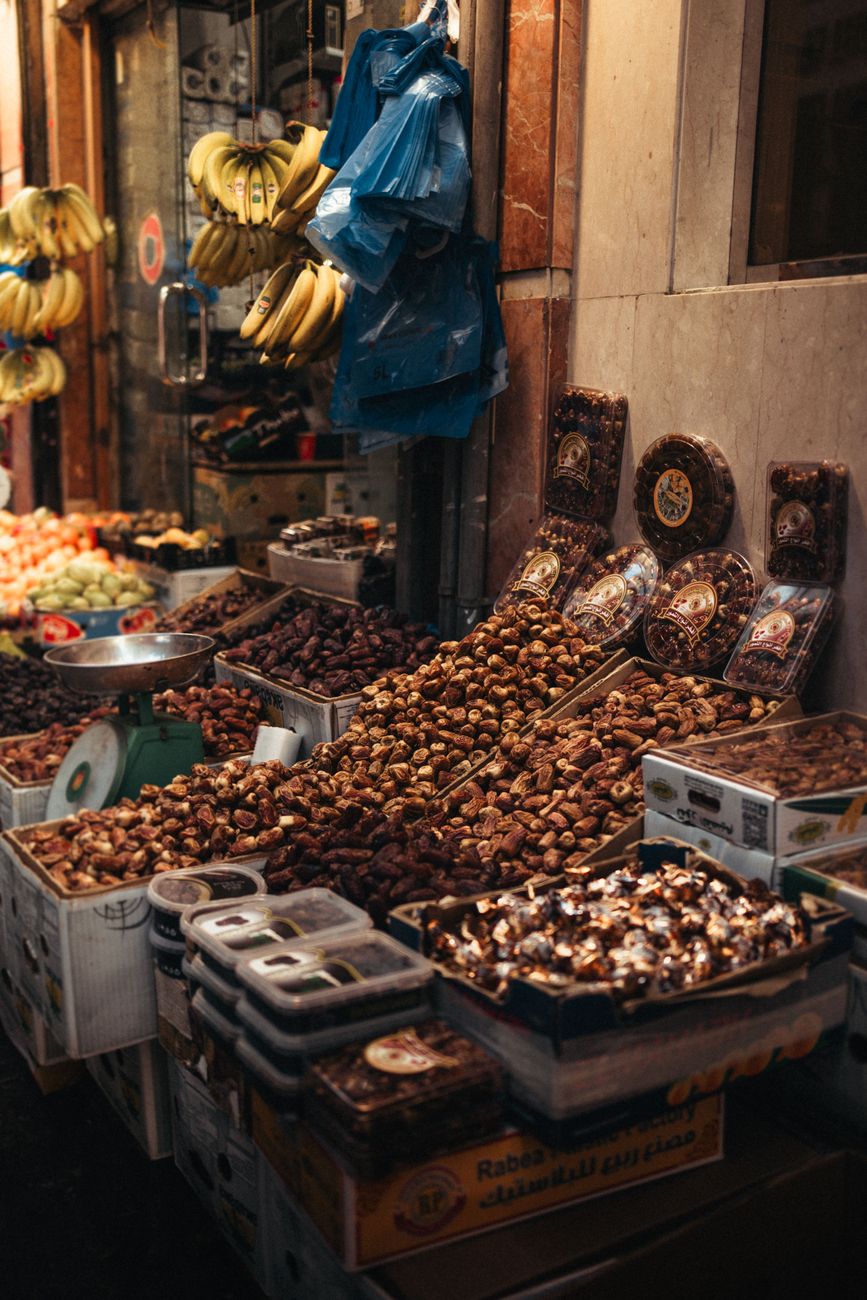
The Arab region imports most of its cereals and in recent years has held reserves covering only a little more than three months of consumption, according to the brief. That leaves many governments with limited time to absorb a prolonged supply shock before household food access begins to deteriorate.
The April 8 Albis scan found Arab coverage framing this as a direct food insecurity emergency, while the story remained far less visible in many Western and Asian outlets. That difference is visible in emphasis. In Beirut or Cairo, the issue is bread, transport and import dependence. In many English-language roundups, it appears as one more line in a commodity-price story.
ESCWA also warned that the same conflict is creating water risk. It said nearly 40 million people in Gulf Cooperation Council countries depend on desalinated water drawn from the Gulf, leaving them vulnerable to damage to desalination and energy infrastructure or to marine pollution that could interrupt supplies.
That means the food story is not isolated. It is part of a wider systems shock linking fuel, shipping, fertiliser, water and household purchasing power. ESCWA acting Executive Secretary Mourad Wahba said the figures required urgent and coordinated regional action, including strategic reserves, early warning systems, diversified trade corridors and investment in more resilient food, water and energy systems.
The agency said the compounding effects of conflict could deepen poverty, fuel social unrest and reverse development gains if governments and regional institutions failed to intervene quickly. That warning fits the pattern identified in the Albis scan, which found that domestic and regional coverage has focused more on household vulnerability than on military positioning.
This is also a story about framing. In energy markets, the crisis is often narrated through Brent futures and tanker routes. In Arab reporting, it is being told through the cost of staples, the fragility of imported cereal systems and the limits of family budgets. One lens sees volatility. The other sees exposure.
The numbers are large enough to carry both readings. Oil above $112 a barrel raises freight and fertiliser costs even before a supermarket shelf is affected. But countries that import much of their grain and hold only thin reserves feel the pass-through faster than commodity traders or distant consumers.
ESCWA said the current brief was the second in a series on the conflict’s shockwaves and followed an earlier estimate that Arab economic output would be cut by $150 billion in one month. The next test will be whether governments can stabilize imports and reserve management before higher global prices become a wider regional food emergency.
Company Daily Scan
Track stories like this for your company.
Albis can turn the same global scan into a private daily briefing for your sector, regions, risks, and watchlist.
See how the company scan works →Sources for this article are being documented. Albis is building transparent source tracking for every story.
Get the daily briefing free
News from 7 regions and 16 languages, delivered to your inbox every morning.
Free · Daily · Unsubscribe anytime
🔒 We never share your email