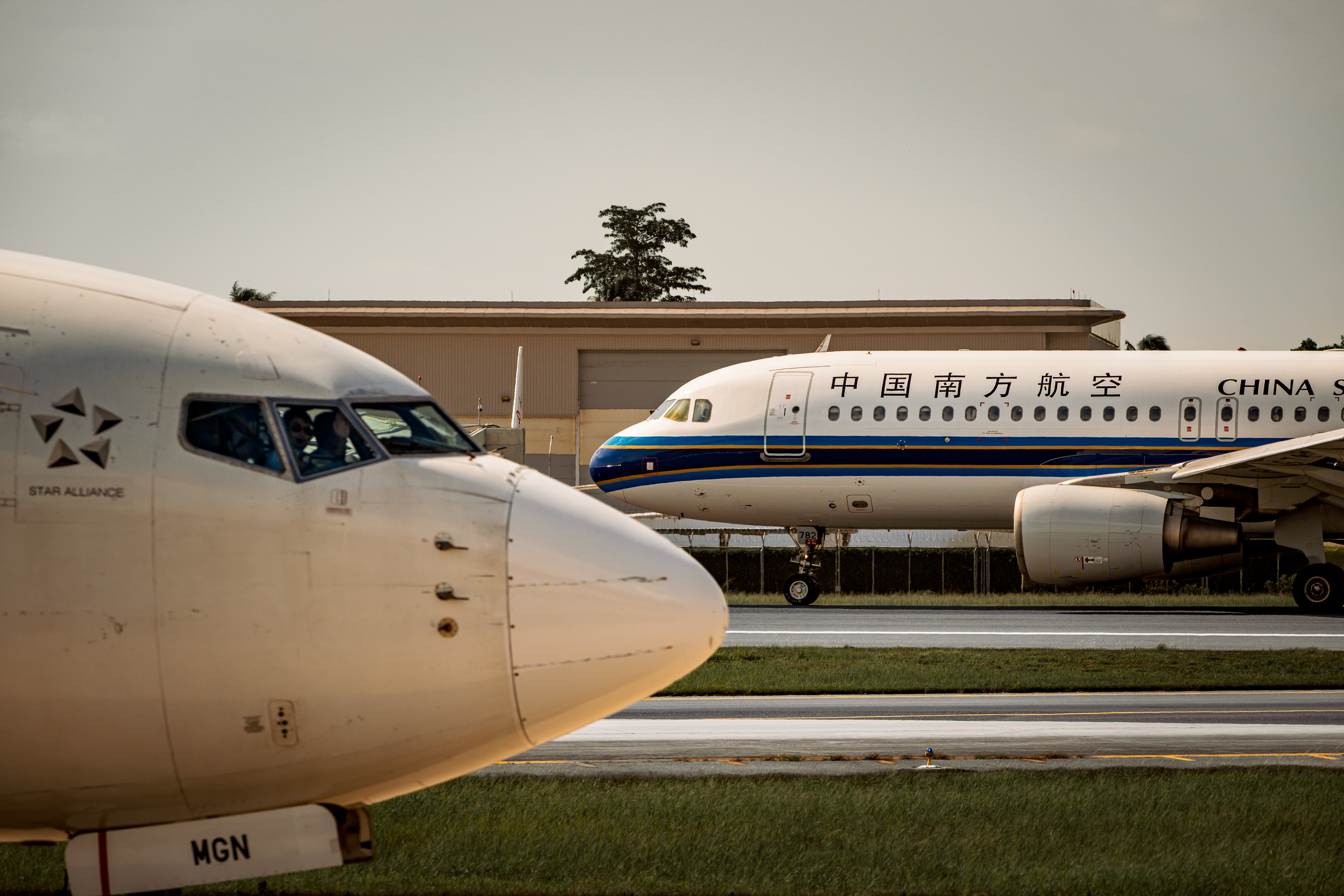
China says it drove away Dutch frigate near disputed Paracel Islands
China’s military said it used warnings and electronic interference against the Dutch frigate HNLMS De Ruyter near the Paracel Islands, while the Netherlands denied China’s account of unauthorised activity.
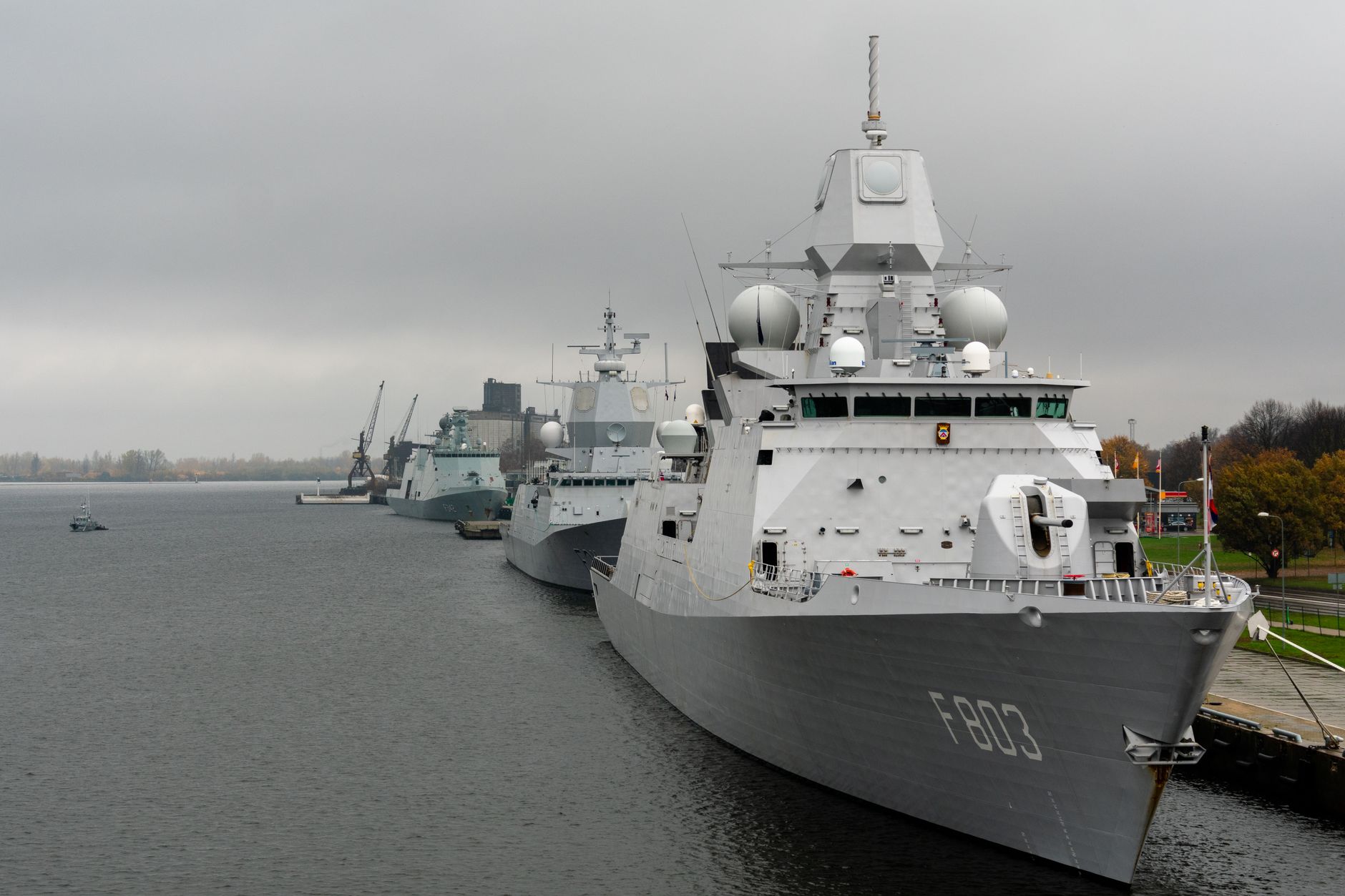
China says it drove away Dutch frigate near disputed Paracel Islands
Last updated May 30, 2026
- European naval presence is colliding more directly with Chinese maritime claims, widening the dispute’s stakeholder base.
- China’s military released footage of an encounter with the Dutch frigate HNLMS De Ruyter near the disputed Paracel Islands in the South China Sea, according to Newsweek.
- Beijing said Chinese naval and air forces used warnings and electronic interference to drive the ship away.
Still unclear: What local readers are seeing from the ground
China’s military released footage of an encounter with the Dutch frigate HNLMS De Ruyter near the disputed Paracel Islands in the South China Sea, according to Newsweek. Beijing said Chinese naval and air forces used warnings and electronic interference to drive the ship away.
The encounter took place on Wednesday near the Paracel Island group, which China controls and which remains disputed. Newsweek reported that footage released late the following evening showed China deploying at least two warships and a fighter aircraft to intercept the Dutch frigate.
China’s account centred partly on the ship’s helicopter. Newsweek said the Chinese military accused a Dutch navy helicopter of operating without permission in Chinese-claimed airspace, a claim denied by the Netherlands. The South China Morning Post reported that the PLA’s Southern Theatre Command accused the De Ruyter of illegally entering waters near the Paracels and repeatedly sending a helicopter into Chinese airspace.
The new element was electronic interference. The South China Morning Post said China claimed for the first time that it used electronic countermeasures when a foreign frigate entered disputed waters, with the PLA saying it used verbal warnings and unspecified electronic measures to drive the aircraft away.
A former Chinese air force pilot and military analyst, Fu Qianshao, told the South China Morning Post that electronic interference was a “very serious form of warning,” though not the most serious. He said it could involve electromagnetic signals designed to disrupt communications, radar or sensors through broad-spectrum jamming or targeted frequencies.
Newsweek reported that Chinese Defense Ministry spokesperson Jiang Bin said the Dutch operation violated China’s sovereignty and undermined peace and stability in the South China Sea. He urged the Netherlands to stop what China called infringement, risk-taking and provocation, and to restrain its front-line naval and air forces.
The incident widens the South China Sea dispute beyond the regional claimants and the United States. The supplied evidence shows a European navy operating near one of the sea’s most contested island groups, while China asserted its maritime and airspace claims through military interception and claimed electronic measures.
The logistics layer sits beneath the military language. The South China Sea is a major maritime route, and encounters involving warships, aircraft, electronic interference and disputed airspace can affect how navies plan patrols, how allies coordinate movements and how commercial actors read escalation risk around contested waters.
What remains uncertain is the full Dutch account of the incident, the exact location of the frigate and helicopter, the technical nature of the electronic interference and whether any ship or aircraft systems were actually affected. The supplied evidence verifies China’s claim, the Dutch denial of unauthorised helicopter activity and reporting that the De Ruyter was travelling through the Indo-Pacific before heading toward Rim of the Pacific exercises.
The larger implication is that European naval presence is becoming a more direct part of the South China Sea confrontation. Beijing’s response to the Dutch frigate suggests that future European deployments may face not only verbal protests but operational pressure in the same contested spaces where China asserts its maritime claims.
Add context
Know something useful about this story?
Albis is built for public understanding. If you have a source, lived experience, or a missing angle, you can add context for others.
Share context →Sources for this article are being documented. Albis is building transparent source tracking for every story.
Conversation
What are you seeing?
Add local context, a source, a question, or a perspective we may have missed. You can comment as a guest or create a free account.
Loading conversation…
Get the daily briefing free
News from 7 regions and 16 languages, delivered to your inbox every morning.
Free · Daily · Unsubscribe anytime
🔒 We never share your email