Iran Fires Largest Missile Barrage at Israel With Cluster Warheads
Iran's biggest salvo of the conflict struck Israeli cities with cluster munitions, marking a significant escalation days before Passover.
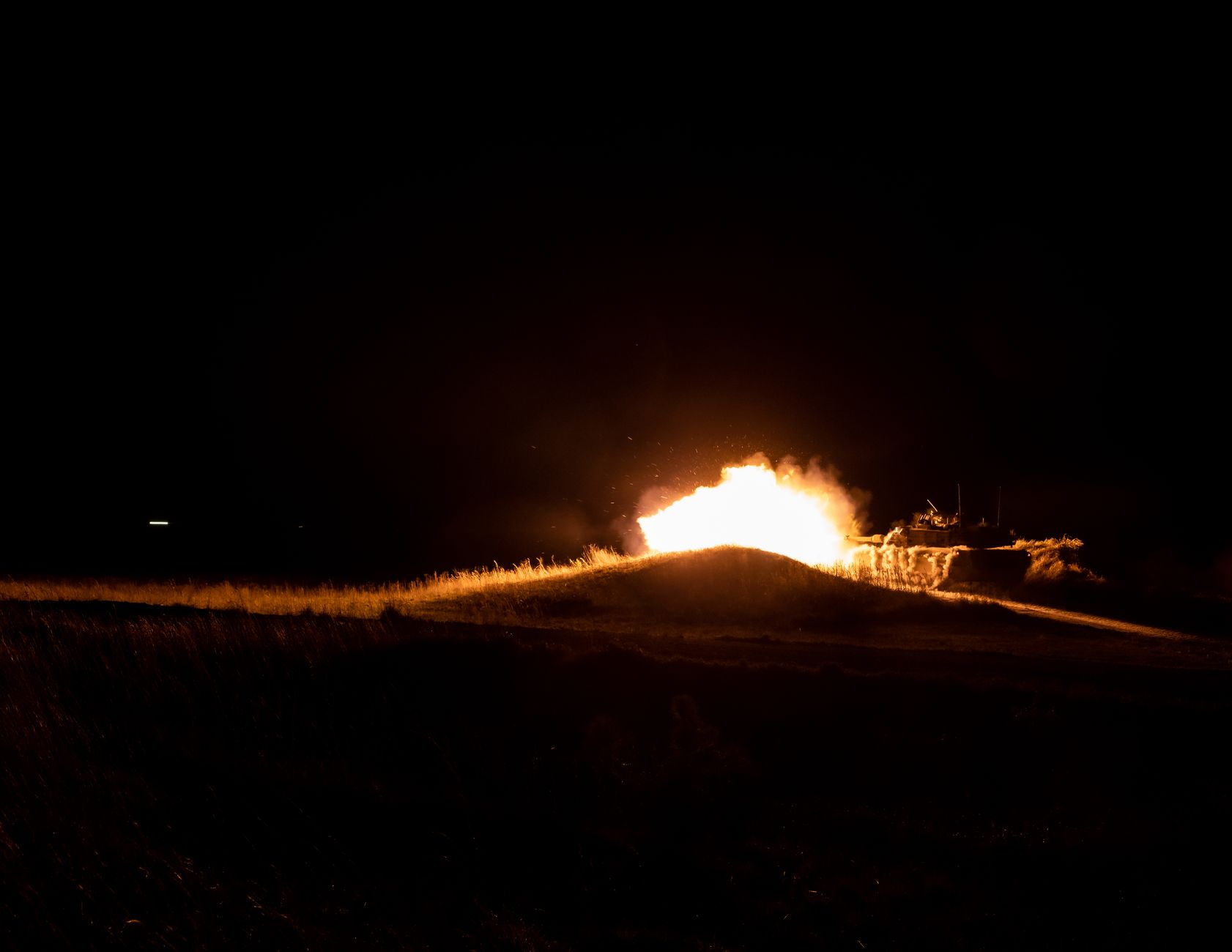
Iran fired its largest missile salvo of the three-week conflict at Israel early Wednesday, striking the cities of Rosh HaAyin and Petah Tikva with warheads carrying cluster munitions, according to the Israel Defense Forces.
The IDF said 47 ballistic missiles were launched from western Iran between 2:14 and 2:38 a.m. local time. Israel's Arrow and David's Sling interceptor systems destroyed 31 of them, the military said. Sixteen reached their targets.
Three people were killed and 94 injured, according to Israel's Magen David Adom emergency service. Eleven of the injured were children struck by cluster bomblets that scattered across residential streets in Rosh HaAyin, a city of 51,000 east of Tel Aviv.
Cluster Munitions Mark Escalation
The use of cluster warheads represented a sharp escalation from Iran's previous missile attacks, which had used conventional unitary warheads. Cluster munitions release dozens of smaller bomblets designed to cover a wide area, posing particular risks to civilians.
"This is the first confirmed use of cluster munitions in Iranian missiles targeting population centres," said Fabian Hinz, a missile analyst at the International Institute for Strategic Studies. "It signals Iran is willing to maximise civilian impact."
Neither Iran nor Israel is a signatory to the 2008 Convention on Cluster Munitions, which 112 countries have joined. The United States, which has been striking Iranian targets since mid-March, is also not a party to the convention.
Iran's Islamic Revolutionary Guard Corps claimed responsibility for the attack in a statement carried by state news agency IRNA. The IRGC described the strikes as retaliation for US bombing of the Khondab heavy water reactor on March 28.
Residents Shelter Before Passover
The attack came four days before the start of Passover, one of Judaism's most significant holidays. Residents of central Israel have spent much of the past three weeks in shelters, with schools closed and many businesses shuttered.
"We heard the sirens and ran downstairs. Then the booms came — not just impacts, but popping sounds everywhere after," said Yael Bergman, 34, a resident of Rosh HaAyin, speaking to Yedioth Ahronoth. "My daughter found a small metal ball in our garden this morning."
The Israeli government extended its home front emergency order through April 15. Defence Minister Yoav Gallant said Israel would "respond with overwhelming force" but did not specify how.
Coverage Splits Along Regional Lines
Arabic-language outlets led their coverage with the scale of the Iranian attack. Al Arabiya's headline read: "Iran launches 47 missiles at Israel in biggest single salvo." Coverage focused on the military capability demonstrated rather than civilian casualties.
Hebrew-language media emphasised the cluster munitions and the threat to civilians. Haaretz's lead story was headlined: "Cluster bomblets across Rosh HaAyin streets as Iran targets cities."
Persian-language media framed the attack as a proportional military response. IRNA's English-language service described it as a "legitimate defence operation against the Zionist regime's complicity in US aggression."
US media covered the barrage primarily through the lens of Trump's national address hours later, with the missile attack providing backdrop to the president's promise of further strikes.
Military Analysts Warn of Escalation Cycle
The salvo was the seventh Iranian missile attack on Israel since the conflict began. Each round has involved more missiles and, now, more destructive warhead types.
"We are in a classic escalation spiral," said Amos Yadlin, former head of Israeli military intelligence. "Each side responds to the other's last attack with something bigger. Cluster munitions today, what tomorrow?"
The UN Human Rights Office called for an independent investigation into the use of cluster munitions in populated areas. A spokesperson said the attacks "may constitute a violation of international humanitarian law" regardless of treaty membership.
Israel's next steps remain unclear. Prime Minister Benjamin Netanyahu convened a security cabinet meeting Wednesday morning but made no public statement. The IDF has maintained a policy of not disclosing retaliatory strikes until after they are completed.
Add context
Know something useful about this story?
Albis is built for public understanding. If you have a source, lived experience, or a missing angle, you can add context for others.
Share context →Sources for this article are being documented. Albis is building transparent source tracking for every story.
Conversation
What are you seeing?
Add local context, a source, a question, or a perspective we may have missed. You can comment as a guest or create a free account.
Loading conversation…
Get the daily briefing free
News from 7 regions and 16 languages, delivered to your inbox every morning.
Free · Daily · Unsubscribe anytime
🔒 We never share your email

