Turin suffers repeated blackouts blamed on the European heatwave
Heat-driven outages show climate pressure is now directly degrading city-level electricity reliability in Europe.
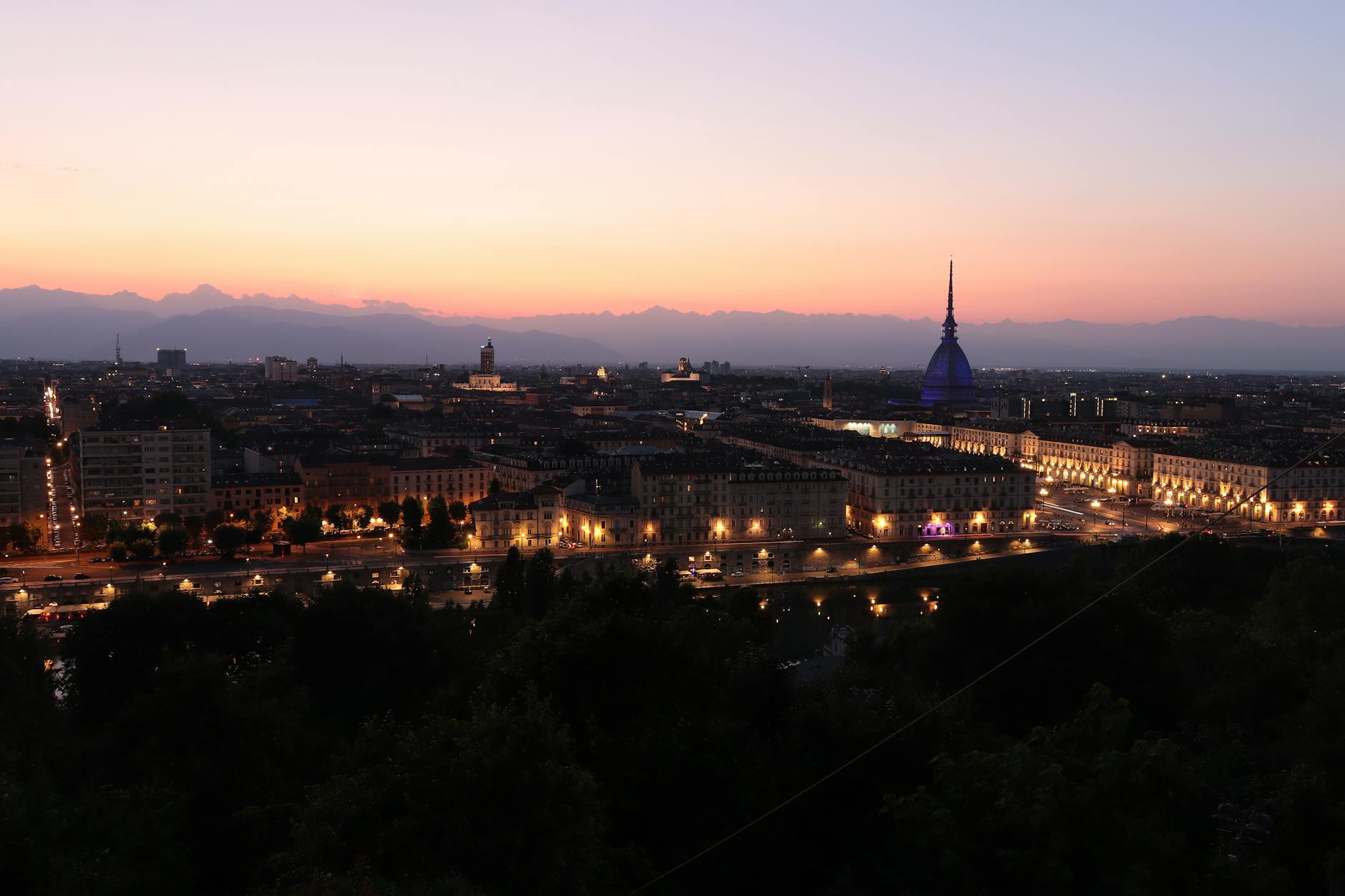
Traffic lights went dark in parts of Turin this week as the northwestern Italian city endured repeated power cuts during Italy’s first heatwave of the year.
The outages were not described as a total city shutdown. Local utility Iren told Reuters that Turin was not at a standstill. But the interruptions were visible enough to disrupt road movement, knock out traffic signals in multiple districts, and force city officials to explain why a wealthy European city was struggling to keep electricity flowing during a 32°C spell.
That is what makes the story useful. It is not simply “heat causes blackouts.” The more precise problem is that heat arrived early, electricity use rose, daylight hours were long, and older network equipment came under thermal stress. Iren said high temperatures were putting cables under strain. Mayor Stefano Lo Russo said the city’s electricity network was old and needed more investment and maintenance.
In normal language, the grid was being asked to carry more load at the same time as heat made parts of the system harder to operate. Cables and other electrical equipment are physical systems, not abstract policy objects. When they get hot, their safe operating margins can narrow. When households, shops and offices respond to heat by using more cooling, demand can rise. If those pressures meet an ageing local network, failures that look sporadic from the outside can become a warning about the condition of the whole system.
Iren is not a small peripheral operator in this story. The company serves about 650,000 electricity customers in Turin and also operates across electricity, gas, heating, water and waste management in several Italian regions. It has launched a €515 million plan through 2030 to modernise Turin’s primary grid. That number matters because it shows the city is not discovering the need for investment from scratch. The work is already recognised. The harder question is whether the pace of climate pressure is outrunning the pace of maintenance and renewal.
Lo Russo made that point bluntly in a local radio interview, saying maintenance was planned but that a widespread intervention would take time. That is often the uncomfortable layer in urban infrastructure stories. Cities can know what needs to be fixed and still be exposed for years, because cables, substations, streets, permits, budgets and contractors do not move at the speed of a weather event.
For residents, the consequences are less technical. A blackout can mean traffic lights fail, lifts stop, shops lose refrigeration, offices lose connectivity, elderly people sit through dangerous heat without cooling, and public services have to improvise. Turin’s municipality warned residents about high temperatures and opened public spaces with fans and air conditioning. That response is small in scale compared with the grid investment plan, but it shows the same system from the human side: electricity reliability is now part of heat-health policy.
The reporting also shows a useful boundary. This was not yet presented as a national grid crisis or a Europe-wide blackout wave. The strongest verified facts are local: multiple districts in Turin, road congestion from traffic-light failures, Iren managing service disruptions, an old network under thermal stress, and a modernisation plan already underway. The wider significance comes from what that local case reveals about city infrastructure under earlier and more frequent heatwaves.
That distinction matters because climate adaptation is often discussed as if it were mainly about future sea walls, emissions targets or emergency warnings. Turin points to something more mundane and immediate: distribution grids, maintenance cycles and the physical tolerance of equipment already in the ground. A city does not need a record-shattering temperature to expose a weak point. A forecast high of 32°C was enough to become a stress test.
The story also sits inside a broader European problem. Many cities were built around older assumptions about summer demand, heat duration and cooling needs. As heatwaves arrive earlier or last longer, local networks face more frequent peaks, and the cost of “normal” reliability rises. That does not mean every heatwave will cause outages. It means the margin between normal operation and visible disruption can become thinner if investment lags.
The practical question for Turin is now whether Iren’s modernisation plan can reduce the weak points before hotter summers make them more expensive to manage. The practical question for other cities is whether they know which parts of their own networks would fail first under the same conditions.
That is why this belongs in the Life Systems layer of the news. The headline is about blackouts in one Italian city. The underlying story is about the quiet infrastructure that lets modern life function: cables, cooling, traffic lights, public rooms, maintenance budgets and the time it takes to rebuild old systems for hotter weather.
Company Daily Scan
Track stories like this for your company.
Albis can turn the same global scan into a private daily briefing for your sector, regions, risks, and watchlist.
See how the company scan works →Sources for this article are being documented. Albis is building transparent source tracking for every story.
Conversation
What are you seeing?
Add local context, a source, a question, or a perspective we may have missed. You can comment as a guest or create a free account.
Loading conversation…
Get the daily briefing free
News from 7 regions and 16 languages, delivered to your inbox every morning.
Free · Daily · Unsubscribe anytime
🔒 We never share your email
Related Stories
A 32°C heatwave was enough to expose Turin’s old power grid

Western Europe’s unusually early heat wave breaks May records and prompts government warnings after deaths at sports events
