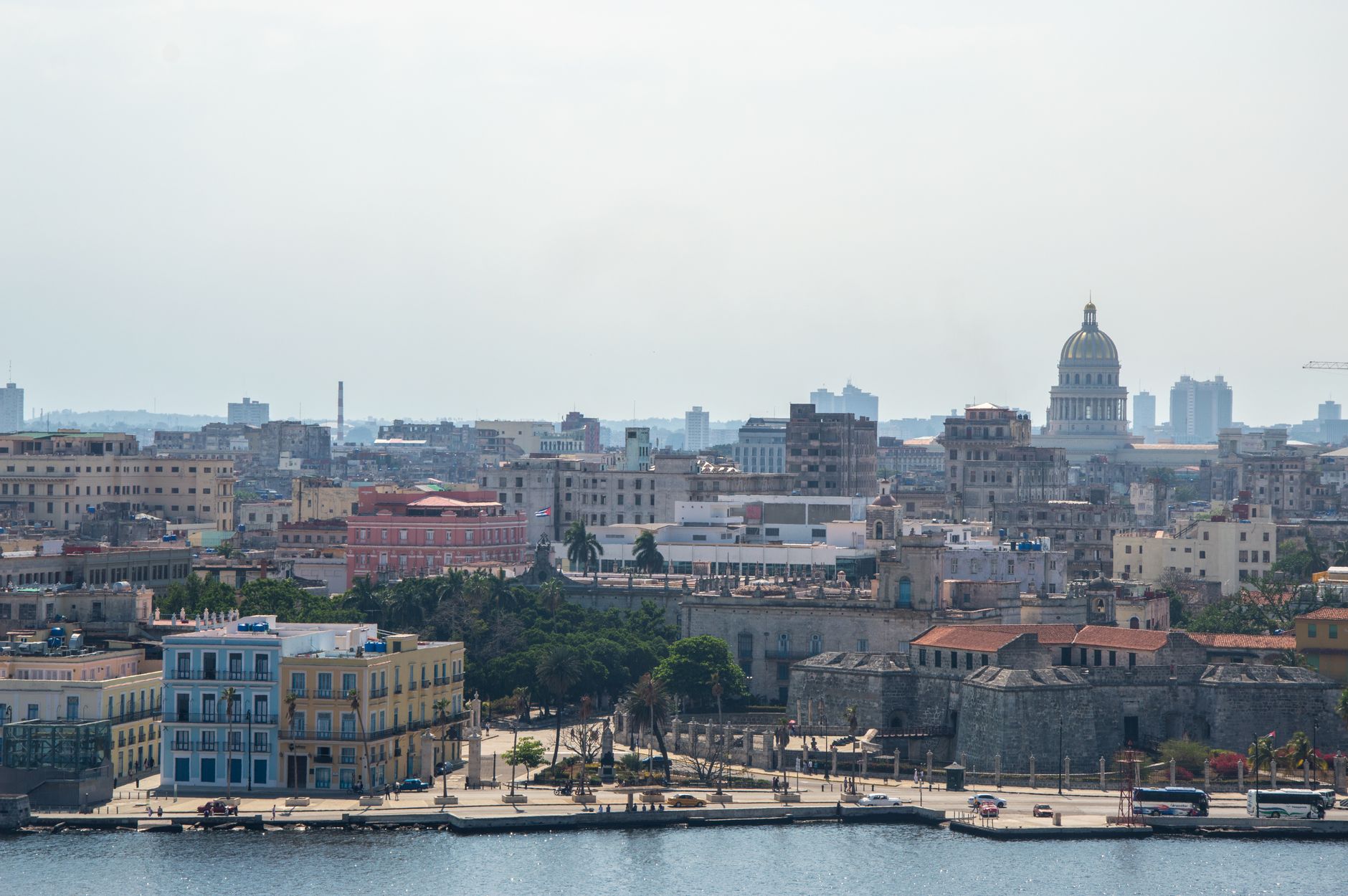
A 32°C heatwave was enough to expose Turin’s old power grid
Repeated outages in Turin show how older city grids can become fragile when hotter summers arrive early and electricity demand rises.
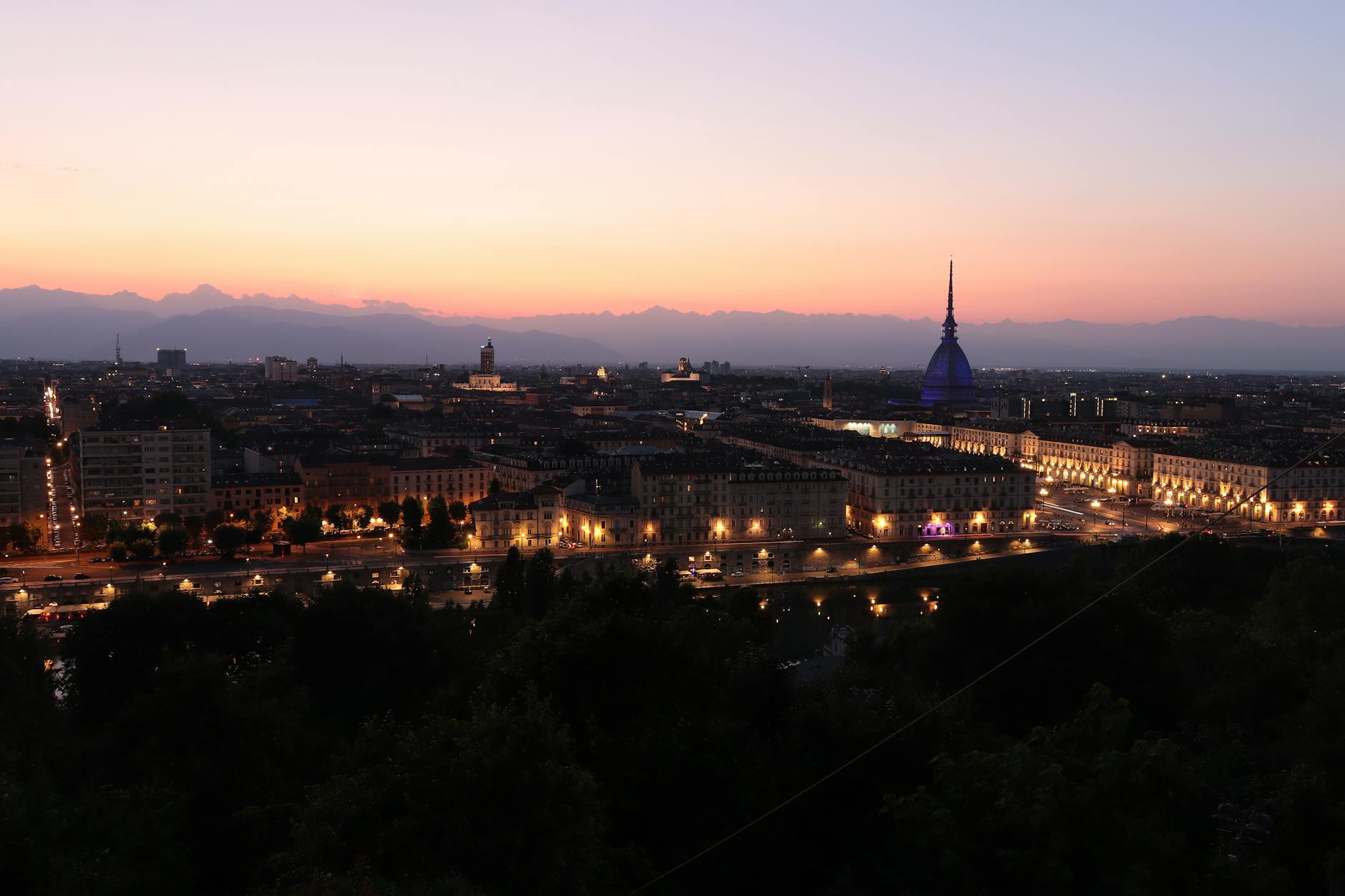
A 32°C heatwave was enough to expose Turin’s old power grid
Last updated May 29, 2026
- Traffic lights went dark in parts of Turin this week as Italy’s first heatwave of the year pushed the city’s electricity network into repeated failure.
- The forecast high in Turin on Thursday was 32°C.
- Iren said the heatwave arrived earlier than expected.
Still unclear: What local readers are seeing from the ground
Traffic lights went dark in parts of Turin this week as Italy’s first heatwave of the year pushed the city’s electricity network into repeated failure.
The city was not paralysed. Local utility Iren told Reuters that Turin was not at a standstill. But outages hit multiple districts, caused road congestion where traffic signals failed, and forced officials to confront a problem that is becoming familiar in older cities: the weather is moving faster than the infrastructure upgrade cycle.
The forecast high in Turin on Thursday was 32°C. That is hot, but not the kind of temperature many readers would associate with major disruption. The trouble was the combination. Iren said the heatwave arrived earlier than expected. Longer daylight hours and high temperatures were putting cables under thermal stress. At the same time, homes, shops and offices were drawing more electricity for cooling.
Mayor Stefano Lo Russo said the city’s electricity network was old and needed more investment and maintenance. In a local radio interview, he said rising temperatures and electricity consumption were exposing its vulnerabilities.
“Maintenance of the networks is planned, but this is a widespread intervention that will take time,” he said.
That time lag is the story. Turin already has a modernisation plan. Iren, which serves about 650,000 electricity customers in the city, has launched a €515 million programme to upgrade Turin’s primary grid through 2030. The money is large. The schedule is long. The heat is already here.
A city grid does not fail in the abstract. It fails at street level: traffic lights stop, lifts become unreliable, shops worry about refrigeration, card payments and mobile systems become less dependable, and people without good cooling have fewer safe places to go. Turin’s municipality warned residents about high temperatures and opened public spaces with fans and air conditioning.
The verified facts remain local. This was not reported as an Italian national grid crisis. It was a Turin problem: repeated district outages, traffic disruption, an old network, stressed cables, and a utility trying to keep service stable while a longer upgrade plan is still underway.
But local failures are often how larger infrastructure risks first become visible. Heat does not need to break an entire national grid to matter. It only needs to find the weak section of a city network at the same time demand rises.
The 32°C figure keeps the case grounded. The risk is not limited to record-breaking extremes. It sits in the new normal: earlier heat, longer cooling hours, ageing equipment, and public systems built around older assumptions.
Turin’s question is whether its grid investment can move quickly enough to reduce the weak points before hotter summers test them again. Other cities have a quieter version of the same question: which part of their own power network would fail first?
The blackout story is small enough to miss. It is also concrete enough to remember. Modern life depends on hidden systems staying boring. In Turin this week, one of those systems briefly stopped being boring.
Add context
Know something useful about this story?
Albis is built for public understanding. If you have a source, lived experience, or a missing angle, you can add context for others.
Share context →Sources for this article are being documented. Albis is building transparent source tracking for every story.
Conversation
What are you seeing?
Add local context, a source, a question, or a perspective we may have missed. You can comment as a guest or create a free account.
Loading conversation…
Get the daily briefing free
News from 7 regions and 16 languages, delivered to your inbox every morning.
Free · Daily · Unsubscribe anytime
🔒 We never share your email