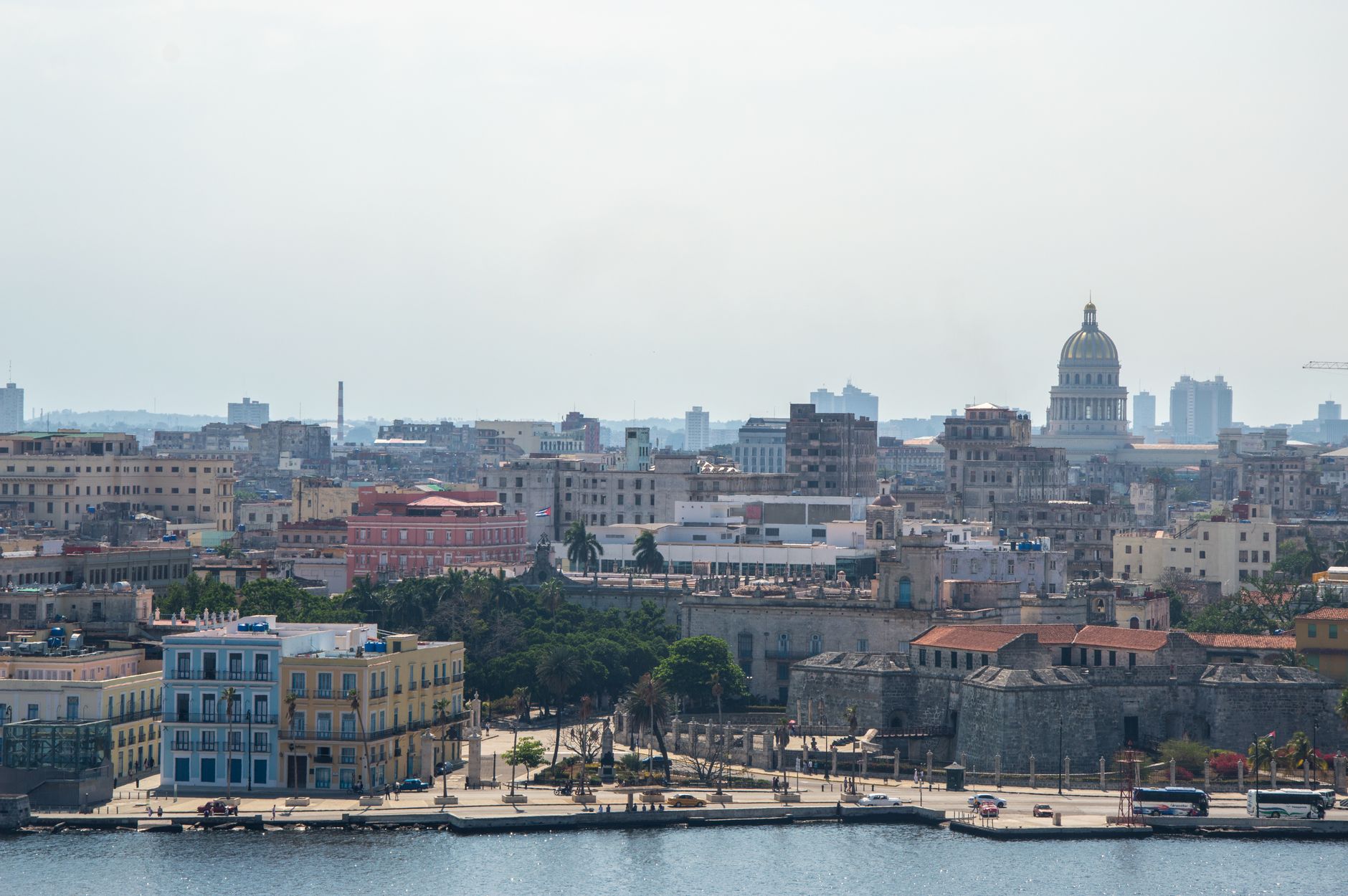
US indictment of Raúl Castro revives a 1996 plane shootdown as pressure on Cuba rises
US prosecutors have indicted former Cuban leader Raúl Castro and five others over the 1996 shootdown of two Brothers to the Rescue planes, sharply escalating legal and political pressure between Washington and Havana.
US prosecutors have formally charged 94-year-old former Cuban President Raúl Castro over the 1996 shootdown of two unarmed civilian planes operated by Brothers to the Rescue.
The Indian Express reports that acting US Attorney General Todd Blanche and the Department of Justice opened legal proceedings against Castro and five other senior Cuban officials on May 20. The charges include murder, conspiracy to kill US nationals and destruction of aircraft, all tied to Cuban MiG fighter jets shooting down the planes in February 1996.
Dominican Republic Post, carrying News Americas reporting, says the indictment was announced in Miami at an event honouring the victims. It names the four men killed as Carlos Costa, Armando Alejandre Jr., Mario de la Peña and Pablo Morales, all members of Brothers to the Rescue, a volunteer group that used small civilian aircraft to search for Cuban migrants in distress in the Florida Straits.
US prosecutors claim Castro, then Cuba’s defence minister, authorised the strikes, according to The Indian Express. Dominican Republic Post says the superseding indictment could carry life imprisonment or the death penalty if convictions were secured. The supplied evidence does not show whether Castro is in US custody or likely to appear in court.
Cuba has rejected the case as political provocation. Dominican Republic Post quotes Havana calling the indictment a “despicable and infamous act of political provocation.” Interaksyon, carrying The Conversation, frames the move as part of mounting US pressure on Cuba’s government after decades of revolutionary rule.
The timing is central to the debate. The Indian Express argues the aggressive US posture is tied to domestic politics ahead of the November 2026 midterm elections, with the Trump administration seeking a foreign-policy victory. Interaksyon asks why Washington acted now after years of speculation around the case.
The framing split is sharp. US and Cuban-American political contexts present the indictment as accountability for four civilians killed nearly 30 years ago. Cuban and critical left sources frame it as selective justice and escalation. Onaquietday, republishing Common Dreams, contrasts the Castro indictment with criticism of recent US military killings in the Caribbean, using the case to question Washington’s consistency.
The practical effect is diplomatic pressure, not only courtroom process. A formal indictment can harden sanctions politics, limit room for negotiation and create another legal obstacle in already strained US-Cuba relations, even if enforcement remains uncertain.
For readers, the importance is how old events can become live policy tools. The 1996 shootdown has re-entered the present as a criminal case, a Miami political event, a Cuban sovereignty dispute and a wider argument over who gets held accountable for state violence.
Add context
Know something useful about this story?
Albis is built for public understanding. If you have a source, lived experience, or a missing angle, you can add context for others.
Share context →Sources for this article are being documented. Albis is building transparent source tracking for every story.
Conversation
What are you seeing?
Add local context, a source, a question, or a perspective we may have missed. You can comment as a guest or create a free account.
Loading conversation…
Get the daily briefing free
News from 7 regions and 16 languages, delivered to your inbox every morning.
Free · Daily · Unsubscribe anytime
🔒 We never share your email