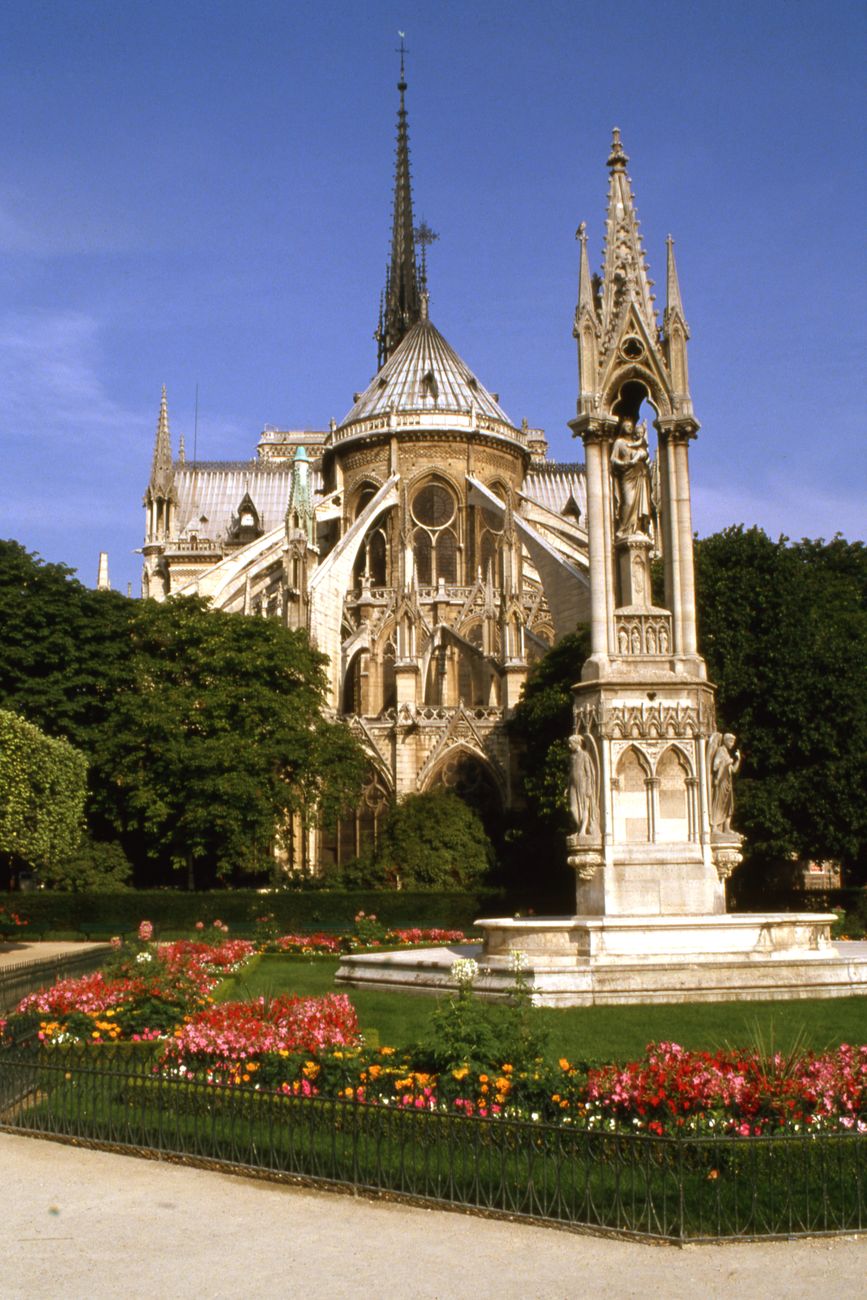
Archaeology digs tied to Notre Dame reconstruction are surfacing new finds in Paris
Large reconstruction projects can generate new scientific discovery and reshape the cultural meaning of restoration work.

Archaeology digs tied to Notre Dame reconstruction are surfacing new finds in Paris
Last updated June 4, 2026
- Large reconstruction projects can generate new scientific discovery and reshape the cultural meaning of restoration work.
- State change with second-order effects.
- Notre Dame points to a concrete shift.
Still unclear: What local readers are seeing from the ground
Notre Dame points to a concrete shift. The visible event and the practical fallout are pulling attention in different directions Notre Dame and Europe sit near the centre of that divide.
Large reconstruction projects can generate new scientific discovery and reshape the cultural meaning of restoration work. Report what the loudest frame misses through concrete source differences. The visible event and the practical fallout are pulling attention in different directions. The decision space around Notre Dame is now narrower than it was before.
The visible event and the practical fallout are pulling attention in different directions That matters because audiences can leave the same event with different ideas about what the story is actually about. That split also opens into framing-map as the next layer of coverage. Notre Dame is where an abstract development starts becoming a practical constraint for people, operators, or public institutions.
The underlying mechanism is doing more work than the loudest frame admits is the hinge. Large reconstruction projects can generate new scientific discovery and reshape the cultural meaning of restoration work. Once that hinge comes into view, the difference between rhetoric, emphasis, and downstream consequence becomes easier to read. The decision space around Notre Dame is now narrower than it was before.
Coverage is clustering in Europe. Across that spread, coverage keeps pulling toward consensus, framing, so readers are not just seeing different tone; they are often being handed a different main plot. Notre Dame is where an abstract development starts becoming a practical constraint for people, operators, or public institutions.
That split is visible across coverage clustered in Europe. Even a narrower gap can still change what readers notice first and what they ignore. Large reconstruction projects can generate new scientific discovery and reshape the cultural meaning of restoration work. Follow the gap between the public frame and the operating reality. The decision space around Notre Dame is now narrower than it was before.
The immediate question is whether Notre Dame changes on the ground, whether neighbouring actors copy or resist the move, and whether the issue begins appearing in places that were initially quiet. Notre Dame is where an abstract development starts becoming a practical constraint for people, operators, or public institutions.
The evidence layer is still uneven, but it is not empty. Current reporting gives readers clear consequence line, multi-pattern signal, named actors, while Notre Dame, Europe sit closest to the practical consequences. That makes the article less about declaring a finished verdict and more about mapping the operating reality: what is confirmed, where the pressure is landing, and which claims still need stronger proof before they become part of the public record.
The honest uncertainty is how far the effect travels from here. The next proof will come from changes around Notre Dame: whether official promises turn into delivery, whether affected groups change behaviour, whether neighbouring systems absorb the pressure, and whether later reporting confirms the early pattern or narrows it. Until then, the strongest reading is cautious but serious: the signal is real enough to track, not settled enough to oversell.
For now, Notre Dame is the place to keep watching. If the consequences spread beyond the first announcement, the story will stop looking like a single update and start looking like a new baseline. The decision space around Notre Dame is now narrower than it was before.
Add context
Know something useful about this story?
Albis is built for public understanding. If you have a source, lived experience, or a missing angle, you can add context for others.
Share context →Sources for this article are being documented. Albis is building transparent source tracking for every story.
Conversation
What are you seeing?
Add local context, a source, a question, or a perspective we may have missed. You can comment as a guest or create a free account.
Loading conversation…
Get the daily briefing free
News from 7 regions and 16 languages, delivered to your inbox every morning.
Free · Daily · Unsubscribe anytime
🔒 We never share your email