India-Pakistan dialogue talk returns through unofficial channels
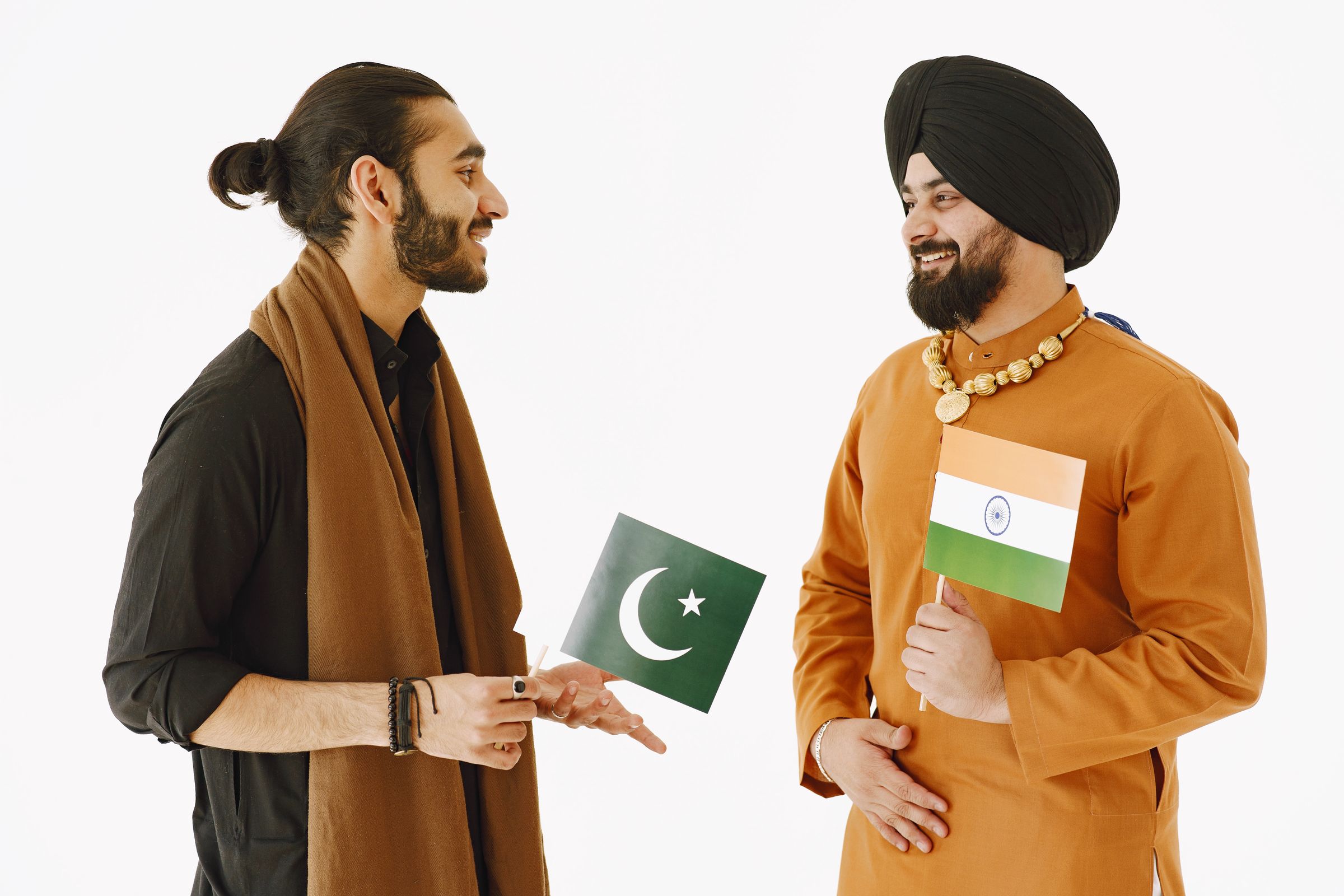
Public rhetoric between India and Pakistan remains hostile, but recent comments from influential Indian figures and reports of quiet engagement suggest limited space may be opening for renewed dialogue.

Dattatreya Hosabale, a senior figure in India’s Rashtriya Swayamsevak Sangh, said New Delhi should “not close the doors” to dialogue with Pakistan, according to reports published a year after the brief but dangerous 2025 war between the two neighbours.
The comment mattered because the RSS is widely described as the ideological parent of Prime Minister Narendra Modi’s Bharatiya Janata Party. For years, India’s official position has been that “terror and talks cannot go together,” leaving formal dialogue with Islamabad largely frozen. A call for engagement from inside India’s ideological establishment therefore landed differently from a routine opposition demand.
Al Jazeera reported that India and Pakistan remain publicly entrenched even as unofficial voices push for renewed dialogue and restraint. ThePenPK described the same moment as one in which political, military and diplomatic circles are showing subtle signs that limited engagement may again be possible.
The shift is still cautious. The available evidence does not show a formal restart of talks, a signed framework or a public government-to-government process. It shows something narrower but still important: influential voices testing whether political space exists for contact after a period of military warnings, diplomatic disputes and accusations of terrorism.
That is how de-escalation often begins in South Asia. Before leaders announce a reset, the first movement can appear through ideological figures, retired military officials, carefully phrased briefings and refusals to confirm or deny back-channel contact. Foxton News, in an unfetched excerpt, cited Pakistan’s foreign ministry declining to comment on reports of contacts, with the line that if there were comment, “there would be no back channel.”
The stakes are larger than one diplomatic exchange. India and Pakistan are nuclear-armed neighbours, and even limited contact can reduce crisis temperature, clarify red lines and create room for other regional diplomacy. Silence and public hostility do the opposite: they leave each side reading intent through media statements, military signalling and domestic political pressure.
Coverage frames the same development differently. Al Jazeera treats it as a question: are the two countries quietly preparing to restart dialogue? ThePenPK leans further into the possibility of cautious exploration beneath hostile rhetoric. The New York Times excerpt supplied here does not directly verify new dialogue, but it does point to a wider regional context in which India-Pakistan relations are being shaped by Washington ties, Afghanistan and unresolved bitterness after conflict and cricket encounters.
For readers, the useful distinction is between a thaw and a channel. The evidence supports signs of a possible channel, not a confirmed thaw. That still matters because channels can prevent mistakes, lower escalation risk and create options before governments are ready to change their public language.
The state of play has changed only slightly, but slightly can matter between India and Pakistan. If unofficial voices continue to widen the room for contact, the next visible shift may not be a grand peace announcement. It may be a smaller sign that both sides are willing to keep a door unlocked.
Add context
Know something useful about this story?
Albis is built for public understanding. If you have a source, lived experience, or a missing angle, you can add context for others.
Share context →Sources for this article are being documented. Albis is building transparent source tracking for every story.
Conversation
What are you seeing?
Add local context, a source, a question, or a perspective we may have missed. You can comment as a guest or create a free account.
Loading conversation…
Get the daily briefing free
News from 7 regions and 16 languages, delivered to your inbox every morning.
Free · Daily · Unsubscribe anytime
🔒 We never share your email