India cuts 2026 monsoon forecast to below normal
India’s weather agency has revised its 2026 southwest monsoon forecast down to 90% of the long-period average, with a 60% chance of deficient rainfall and warnings of hotter June conditions.
India cuts 2026 monsoon forecast to below normal
Last updated May 30, 2026
- A weaker monsoon forecast matters globally because India's rainfall pattern affects food output, water storage, power demand and commodity expectations.
- Capacity and infrastructure bottleneck.
- The revision places the 2026 monsoon in the below-normal category.
Still unclear: What local readers are seeing from the ground
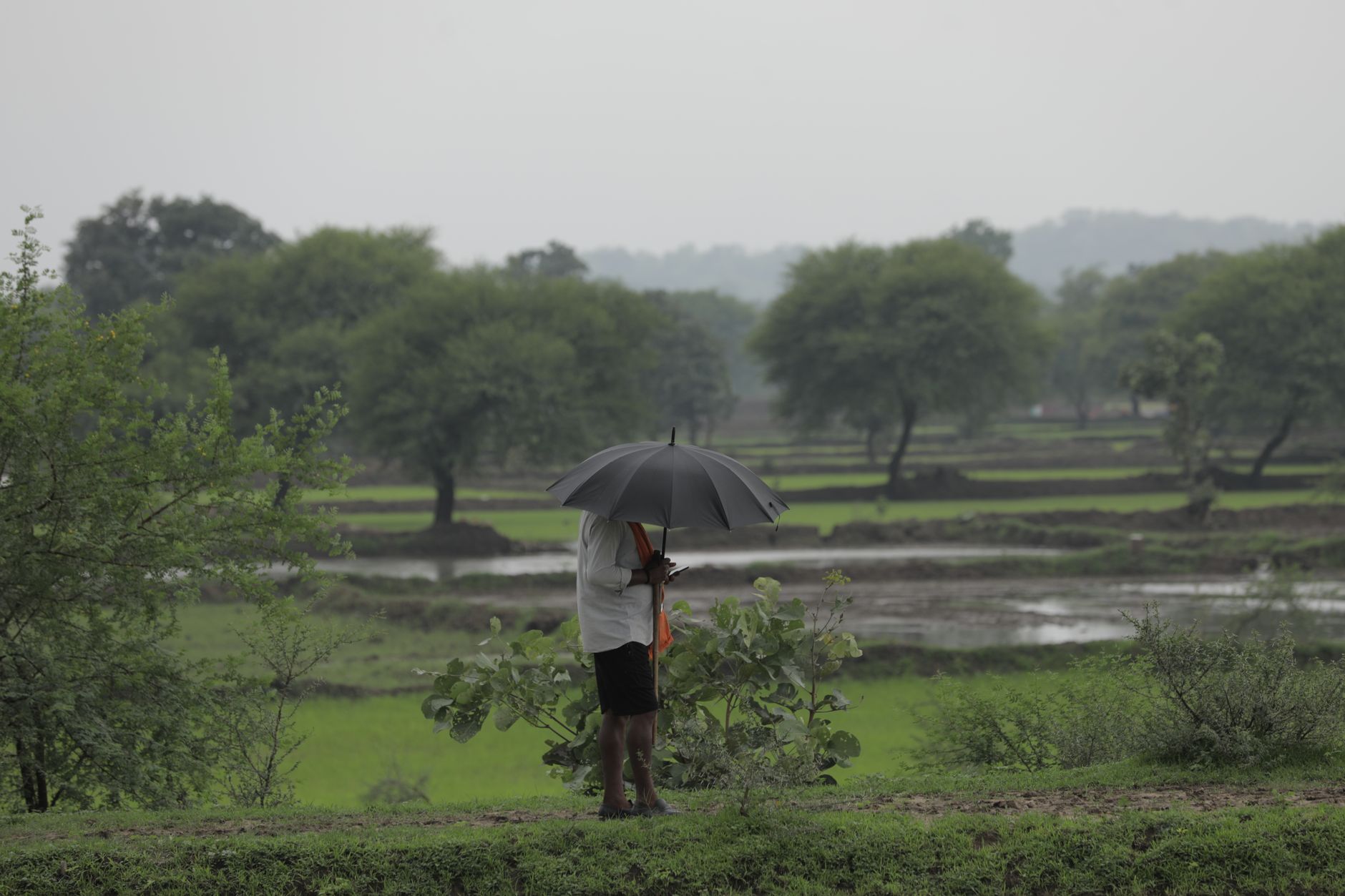
India’s southwest monsoon rainfall is now forecast at 90% of the long-period average, down from an earlier 92%, according to the India Meteorological Department’s second-stage forecast cited by Down To Earth and Manorama Yearbook. The revision places the 2026 monsoon in the below-normal category.
The monsoon season runs from June to September and is measured against the long-period average, a rainfall benchmark based on data from 1971 to 2020. Down To Earth gives the LPA as around 868.6 mm, while Manorama Yearbook gives it as 87 cm. Both describe it as the baseline used to judge whether seasonal rainfall is normal, below normal or deficient.
The risk has increased since April. Down To Earth reported that the IMD now sees a 60% chance of a deficient southwest monsoon season, compared with a 35% chance in the April forecast. Manorama Yearbook also cites a 60% probability of deficient rainfall, defined as less than 90% of LPA.
The threshold matters because 90% sits on the edge of the deficient category. Down To Earth says southwest monsoon rainfall is considered below normal at 90–95% of LPA, while rainfall below 90% is classified as deficient. With the model error and regional variation, the final outcome could still shift, but the forecast leaves little buffer.
The regional pattern is uneven. Down To Earth reported that only northeast India may receive normal rainfall, between 96% and 104% of LPA. Manorama Yearbook similarly says the northeast is likely to see normal rainfall while the remaining parts of the country may receive below-normal rainfall.
June is expected to be difficult even before the full season is clear. Down To Earth reported that below-normal June rainfall and heightened temperatures could lead to above-normal heatwaves over many regions. That combination can pressure water demand, outdoor work, electricity use and early agricultural planning before the main monsoon totals are known.
The timing of the onset adds another layer. Manorama Yearbook reported that the IMD had earlier expected the monsoon to reach Kerala around May 26, but later said the onset could take place within the next seven days. A delayed or uncertain onset can affect planting decisions, reservoir expectations and the period during which heat remains the dominant pressure.
PGurus reported that the weaker outlook was linked to developing El Niño conditions and warned of concerns for agriculture, reservoirs and food inflation. The supplied packet does not provide the IMD’s full climate-driver discussion, so El Niño should be treated as attributed reporting from that source rather than independently established by all sources here.
The direct consequences will depend on where the rain actually falls. A weaker monsoon can affect food output, water storage, power demand and commodity expectations, but the supplied evidence does not provide crop-specific forecasts, reservoir levels, electricity-demand figures or price projections. Those effects remain risks tied to the rainfall outlook, not confirmed outcomes.
The cleanest implication is that India enters the 2026 monsoon season with reduced weather margin. A forecast at 90% of LPA, a higher probability of deficient rainfall, uneven regional expectations and hotter June conditions put agriculture, water planning and public capacity under pressure before the season has fully played out.
Add context
Know something useful about this story?
Albis is built for public understanding. If you have a source, lived experience, or a missing angle, you can add context for others.
Share context →Sources for this article are being documented. Albis is building transparent source tracking for every story.
Conversation
What are you seeing?
Add local context, a source, a question, or a perspective we may have missed. You can comment as a guest or create a free account.
Loading conversation…
Get the daily briefing free
News from 7 regions and 16 languages, delivered to your inbox every morning.
Free · Daily · Unsubscribe anytime
🔒 We never share your email