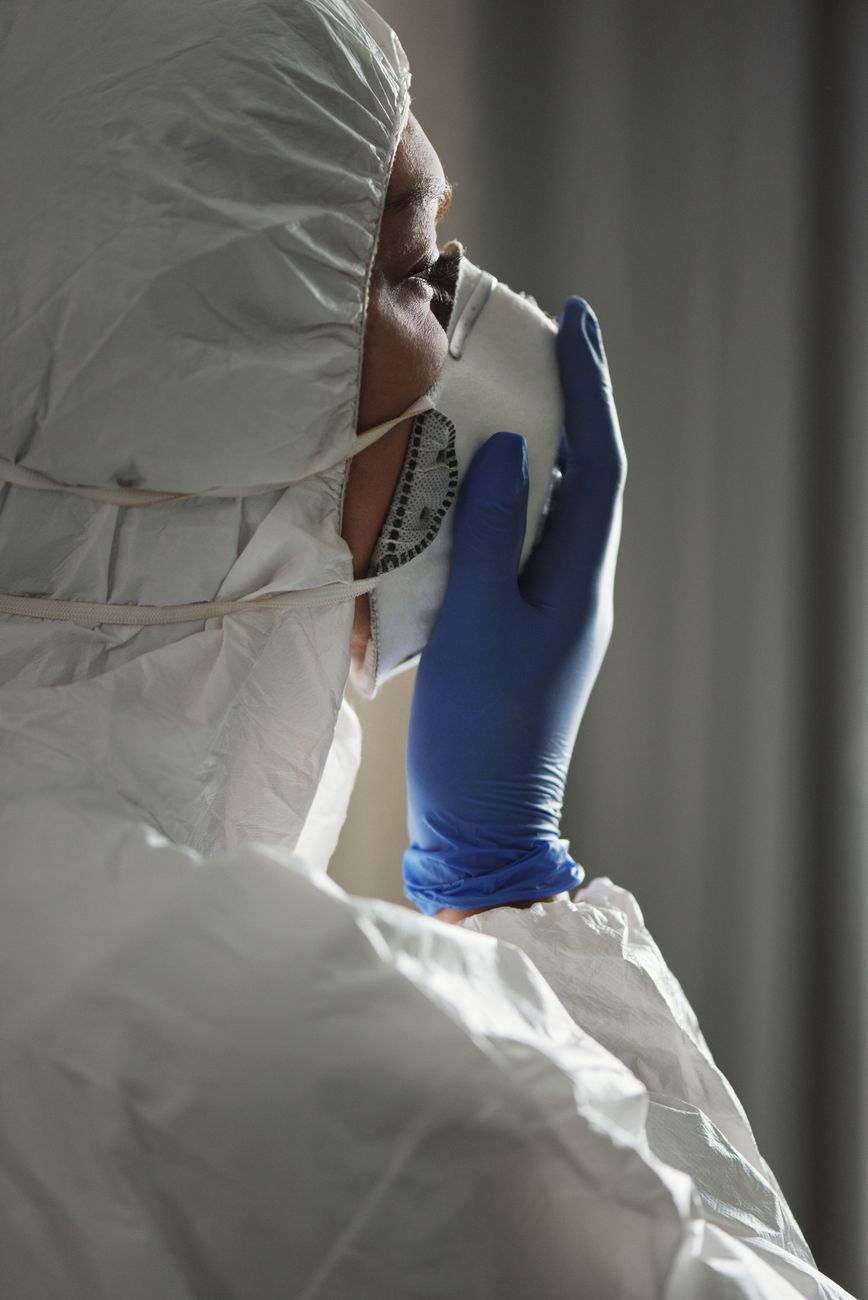
CDC and ECDC update Ebola guidance as Bundibugyo outbreak grows in DRC and Uganda
CDC, ECDC and Africa CDC have updated outbreak and travel-related guidance for the Bundibugyo Ebola outbreak, with DRC reporting hundreds of cases, Uganda reporting 19 and agencies strengthening screening, surveillance and laboratory preparedness.
CDC and ECDC update Ebola guidance as Bundibugyo outbreak grows in DRC and Uganda
Last updated June 12, 2026
- Updated guidance is a concrete institutional response to international spread risk and travel management.
- Public-health transmission chain.
- The latest supplied guidance places travel management, border screening and laboratory confirmation at the centre of the response.
Still unclear: What local readers are seeing from the ground
CDC says it is responding to an Ebola outbreak in remote areas of the Democratic Republic of the Congo and Uganda, while ECDC says the outbreak is caused by Bundibugyo virus and is affecting both countries. The latest supplied guidance places travel management, border screening and laboratory confirmation at the centre of the response.
ECDC said its outbreak page was last updated on 11 June at 14:40. As of 11 June, it reported that DRC had 635 confirmed cases, including 127 confirmed related deaths and 260 people hospitalised in isolation, based on DRC Ministry of Health figures as of 9 June.
Ituri is the centre of the DRC outbreak, with 600 confirmed cases across 18 health zones, according to ECDC. North Kivu has reported 32 confirmed cases across seven health zones, and South Kivu has reported three cases in one health zone. ECDC noted that data are still being reviewed and harmonised as suspected cases go through laboratory confirmation.
Uganda had reported 19 confirmed cases and two deaths as of 10 June, ECDC said. The three most recent cases were reported on 5 June, with no new cases since then. Health officials said five confirmed Ugandan cases were linked to local transmission and 14 had travel links to DRC.
CDC’s 11 June situation summary says no Ebola cases linked to this outbreak have been confirmed in the United States and that risk to the US public and travellers remains low. But US authorities have already changed travel procedures in response to the outbreak.
On 18 May, CDC and the Department of Homeland Security announced enhanced travel screening, entry restrictions and public-health measures. Affected passengers from DRC, South Sudan and Uganda are being rerouted to Washington Dulles, Atlanta, Houston or JFK, with airlines rebooking affected travellers.
CDC also reported that an American exposed while caring for Ebola patients in DRC tested positive on 17 May and was transported to Germany for treatment and care, where the patient was stable. High-risk contacts were moved to Germany and the Czech Republic and remained asymptomatic at the time of the update.
Africa CDC is urging member states to strengthen border exit screening, according to CIDRAP. Its Emergency Consultative Group said the 11 countries most at risk and those bordering DRC should enhance surveillance but should not impose travel bans. Salim Abdool Karim, chair of the group, said preparedness reduces local spread risk and community anxiety after an imported case is found.
CIDRAP also reported an urgent need for Bundibugyo-specific rapid diagnostic tests and support for a diagnostic laboratory in Ituri. It said one reason transmission went undetected for weeks was that tests were looking for other Ebola virus types, not Bundibugyo.
The guidance shows how outbreak control moves beyond hospitals once cases cross borders. Isolation, testing, travel screening, exit checks, laboratory capacity and clear public advice all become part of the same chain. The current guidance says risk to distant publics remains low, but the operational burden in DRC, Uganda and neighbouring states is still rising.
Add context
Know something useful about this story?
Albis is built for public understanding. If you have a source, lived experience, or a missing angle, you can add context for others.
Share context →Sources for this article are being documented. Albis is building transparent source tracking for every story.
Conversation
What are you seeing?
Add local context, a source, a question, or a perspective we may have missed. You can comment as a guest or create a free account.
Loading conversation…
Get the daily briefing free
News from 7 regions and 16 languages, delivered to your inbox every morning.
Free · Daily · Unsubscribe anytime
🔒 We never share your email