WHO notice puts DRC and Uganda Ebola outbreak into cross-border frame
WHO says the Bundibugyo virus disease outbreak is evolving rapidly in DRC and remains linked to Uganda cases, with response measures now stretching across national and international borders.
WHO notice puts DRC and Uganda Ebola outbreak into cross-border frame
Last updated June 13, 2026
- Formal WHO cross-border framing tends to trigger more surveillance, screening and donor response across borders.
- Public-health transmission chain.
- The WHO notice, issued after its previous update on June 8, says confirmed cases and deaths have increased rapidly in DRC.
Still unclear: What local readers are seeing from the ground
WHO’s latest disease outbreak notice says 695 confirmed Bundibugyo virus disease cases and 138 deaths have been reported across the Democratic Republic of the Congo and Uganda, with the outbreak in Uganda epidemiologically linked to transmission originating in DRC.
The WHO notice, issued after its previous update on June 8, says confirmed cases and deaths have increased rapidly in DRC. As of June 10, DRC had reported 676 confirmed cases and 136 deaths. Uganda had reported 19 confirmed cases, two deaths and one probable case who died as of June 11.
The European Centre for Disease Prevention and Control gives similar figures and adds more provincial detail for DRC. Ituri is the most affected province, with 629 confirmed cases from 19 health zones. North Kivu has reported 44 confirmed cases from nine health zones, and South Kivu has reported three cases from one health zone. Since the previous ECDC update, three new affected health zones were reported, one in Ituri and two in North Kivu.
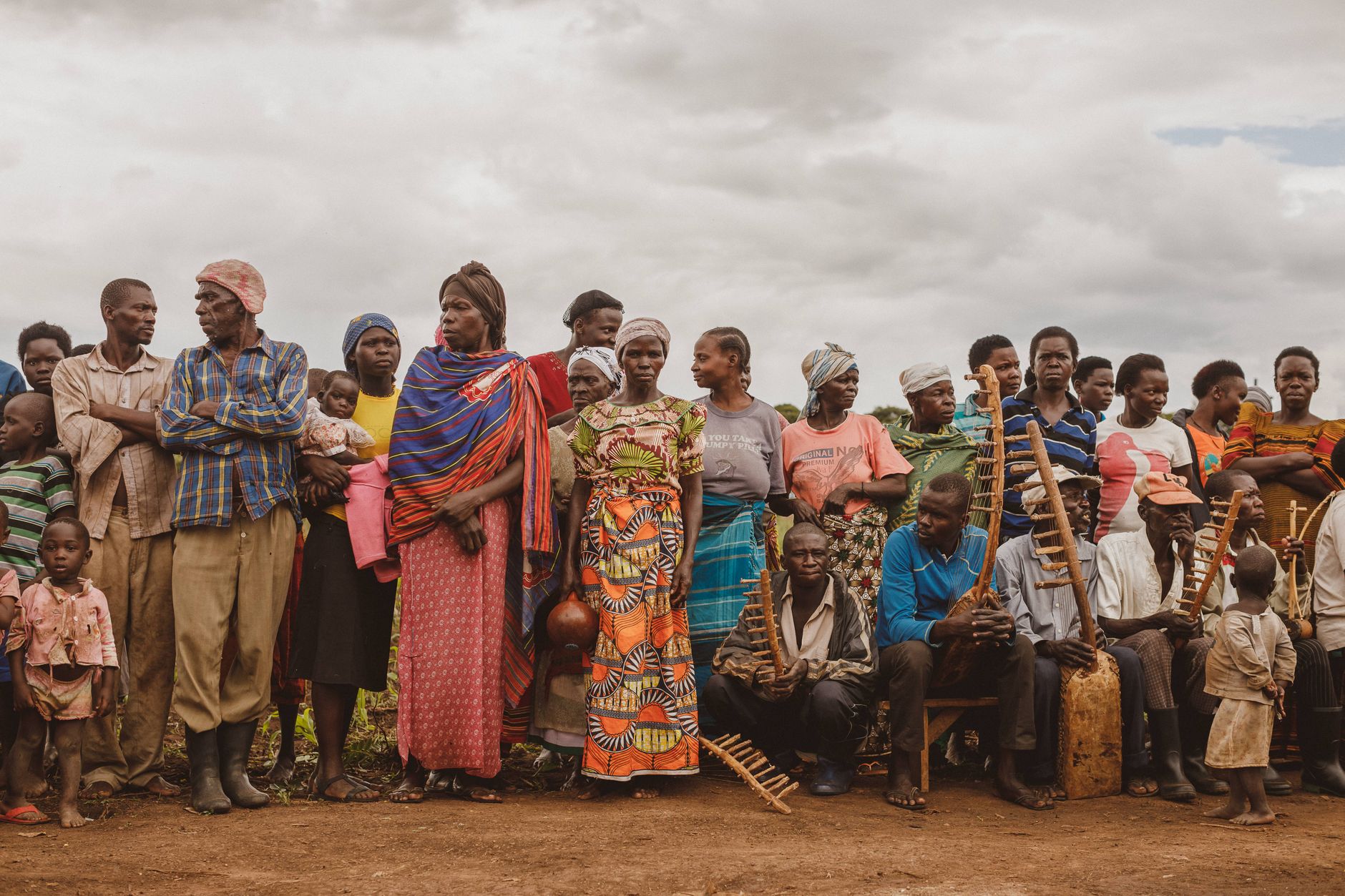
Uganda’s reported outbreak is smaller but important because it shows the disease moving through borders and contacts. WHO says Uganda’s cases include imported infections and secondary transmission among contacts and healthcare workers. ECDC says 14 of Uganda’s 19 confirmed cases were imported, five were associated with local transmission events, and no new cases had been reported since June 5.
National authorities in both affected countries, with WHO and partners, are implementing a package of response measures. WHO says a regional preparedness and prioritization framework continues to guide readiness activities across the African Region. The CDC says it is responding to the outbreak in remote areas of DRC and Uganda, while also noting that no Ebola cases linked to this outbreak have been confirmed in the United States.
The public-health machinery is already extending beyond the immediate outbreak area. CDC and the Department of Homeland Security have implemented enhanced travel screening, entry restrictions and other public-health measures aimed at preventing Ebola disease from entering the United States. Affected air passengers from DRC, South Sudan and Uganda are being rerouted to Washington-Dulles, Atlanta, Houston or JFK. CDC says South Sudan has not reported cases, but is included because it shares borders with affected countries.
The outbreak is caused by Bundibugyo virus, a rare Ebola species. The BBC reports that the WHO has declared the latest DRC outbreak a public health emergency of international concern, and says the response is complicated because the virus species is rare, has no vaccine, and the epicentre is in a conflict-affected area. WHO’s supplied notice verifies the rapid increase and cross-border linkage, while the BBC adds the vaccine and emergency-framing context.
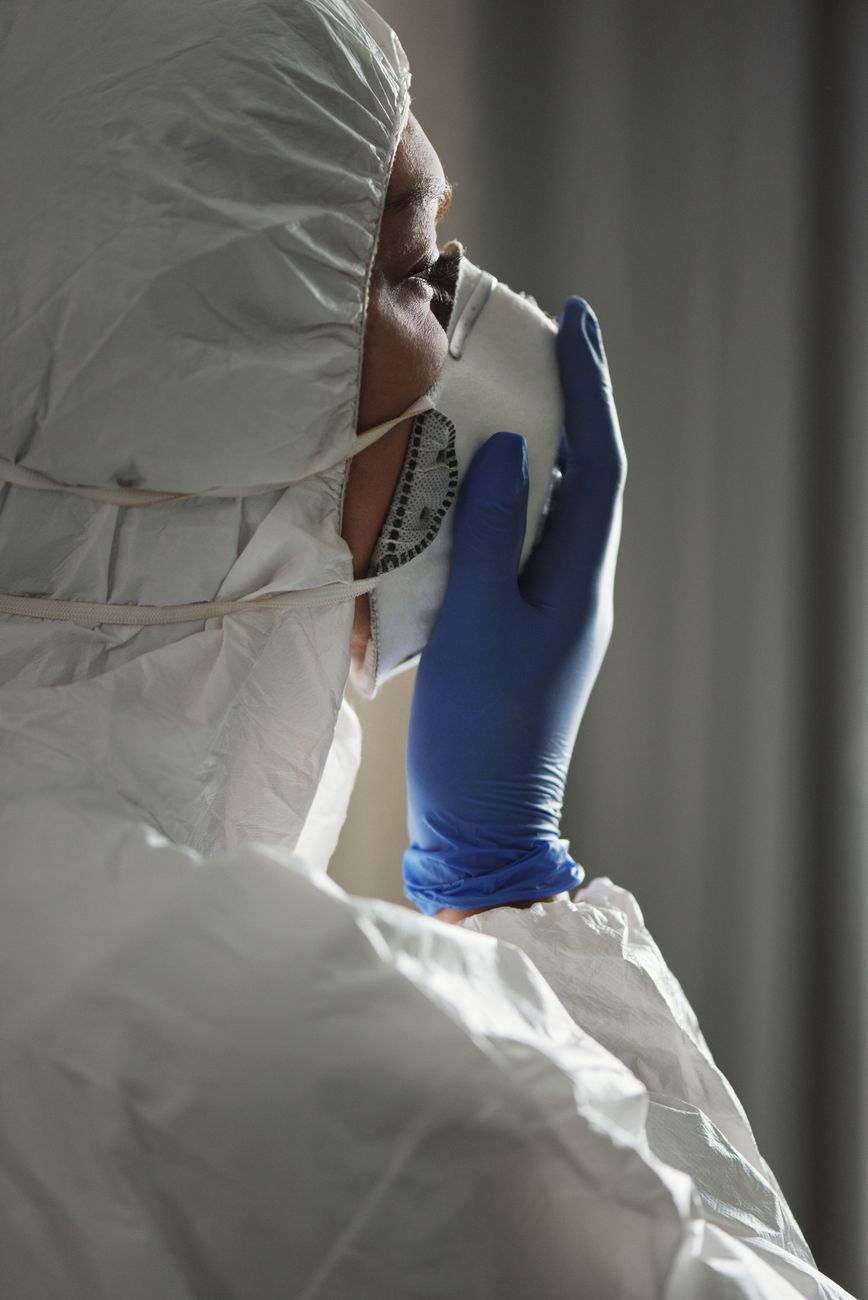
Ebola spreads through contact with infected bodily fluids such as blood or vomit, according to the BBC explainer. Symptoms can begin two to 21 days after exposure and may start like flu or malaria, before vomiting, diarrhoea and, in severe cases, organ failure. That transmission pattern puts pressure on clinics, isolation capacity, contact tracing and health workers before the wider public sees the full shape of the outbreak.
The evidence is still being revised as suspected cases move through laboratory confirmation. ECDC says data are continuously reviewed and harmonised, and CDC warns that case counts are subject to change. Current sources do not provide a full account of local hospital capacity, aid access, or the condition of families in affected communities.
The confirmed picture is still serious: DRC’s outbreak is expanding geographically, Uganda has recorded imported and secondary transmission, and international authorities are adding screening and routing measures. The cross-border frame is no longer only a public warning; it is becoming an operating system for surveillance, travel controls, preparedness and clinical response.
Add context
Know something useful about this story?
Albis is built for public understanding. If you have a source, lived experience, or a missing angle, you can add context for others.
Share context →Sources for this article are being documented. Albis is building transparent source tracking for every story.
Conversation
What are you seeing?
Add local context, a source, a question, or a perspective we may have missed. You can comment as a guest or create a free account.
Loading conversation…
Get the daily briefing free
News from 7 regions and 16 languages, delivered to your inbox every morning.
Free · Daily · Unsubscribe anytime
🔒 We never share your email