A 75% chance of crossing 1.5C changes what climate planning means
The WMO and UK Met Office say the 2026-2030 average is likely to exceed 1.5C, turning extreme heat, water stress and public-health risk into a near-term planning baseline.
There is a 75% chance that the average global temperature between 2026 and 2030 will exceed 1.5C above pre-industrial levels, according to projections from the World Meteorological Organization and the UK Met Office. That number is not a symbolic climate marker. It is a planning threshold for health systems, water supplies, energy grids, food production, cities and household costs.
The 1.5C limit was set in the 2015 Paris climate agreement as an international benchmark, measured over a longer 20-year average. The WMO forecast does not mean that the Paris threshold has formally been breached in that legal and scientific sense. It does mean the next five years are now expected to live very close to, or above, the level governments have treated as a danger line.
The report, as covered by NBC, Bloomberg, The Guardian and the WMO excerpt, says global temperatures are likely to remain at or near record levels through the end of the decade. Bloomberg reports that 2027 is set to be the next year of record-breaking heat. The Guardian says the global temperature record could fall as soon as 2027, with an El Niño event expected later this year.
Another number sharpens the picture: the WMO report gives an 86% chance that at least one year between 2026 and 2030 will surpass 2024 as the hottest year ever recorded. That matters because single record years bring immediate physical effects: heat illness, crop stress, electricity demand, water shortages, transport disruption and pressure on workers who cannot simply move their labour indoors.
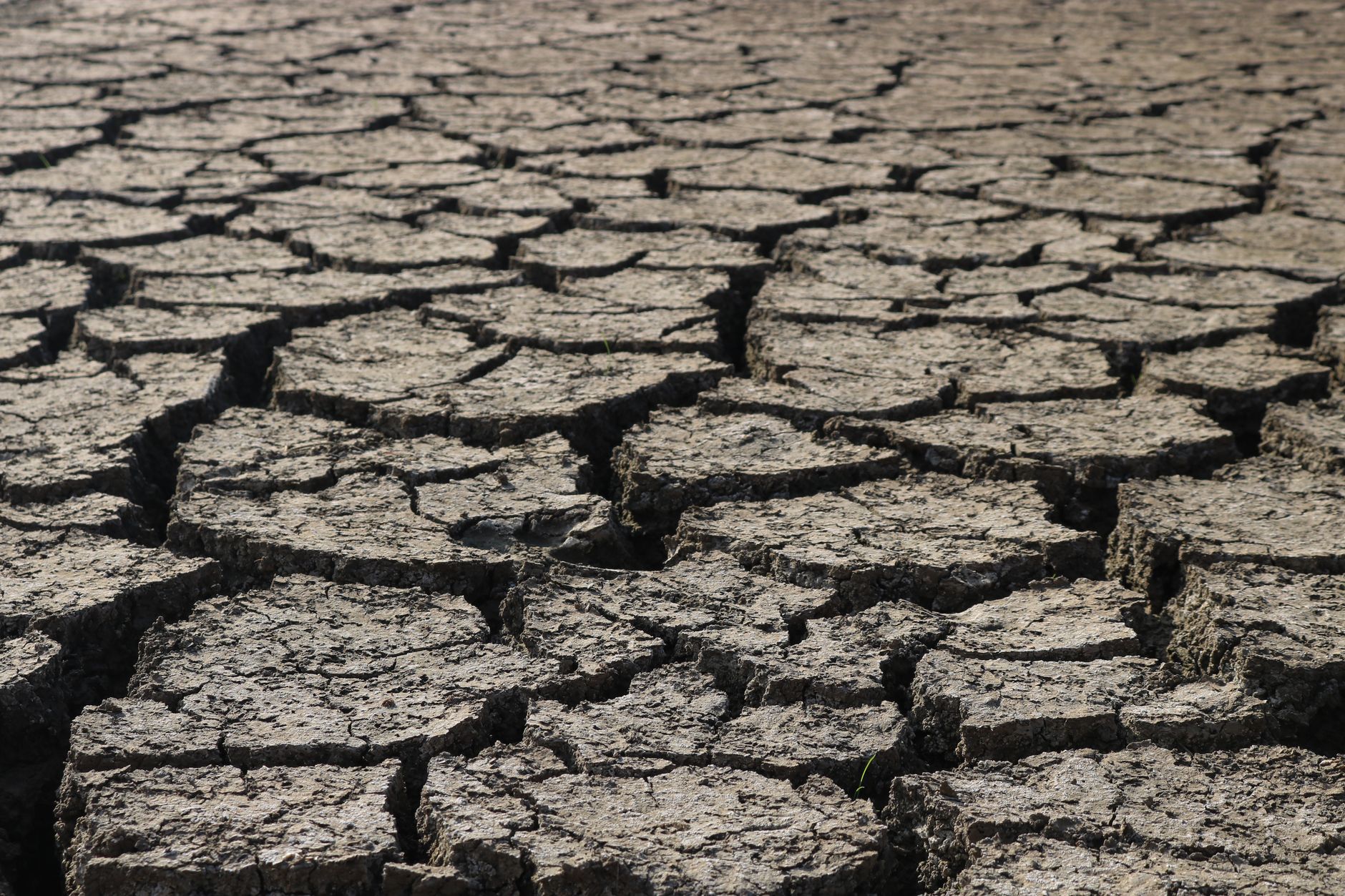
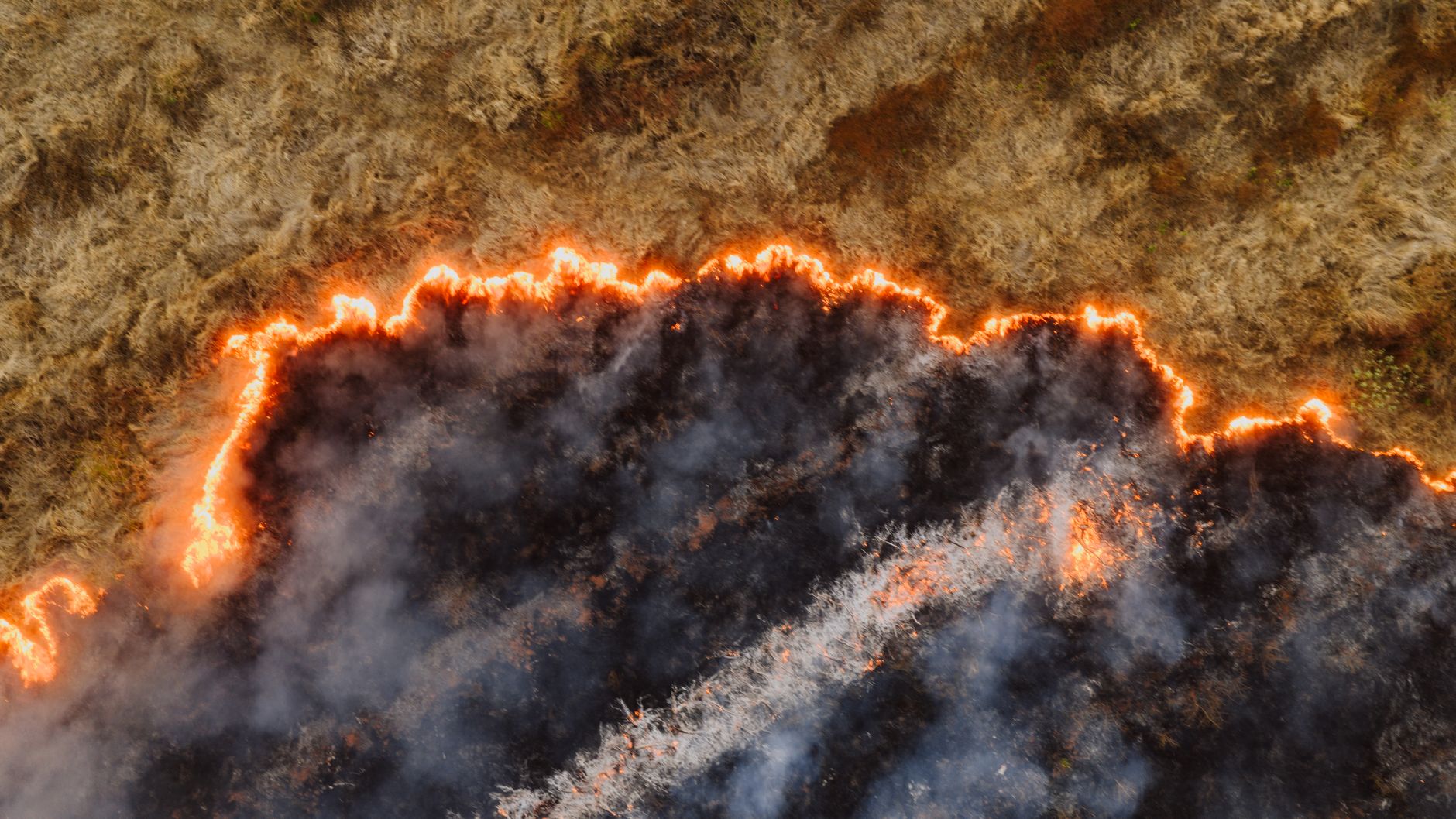
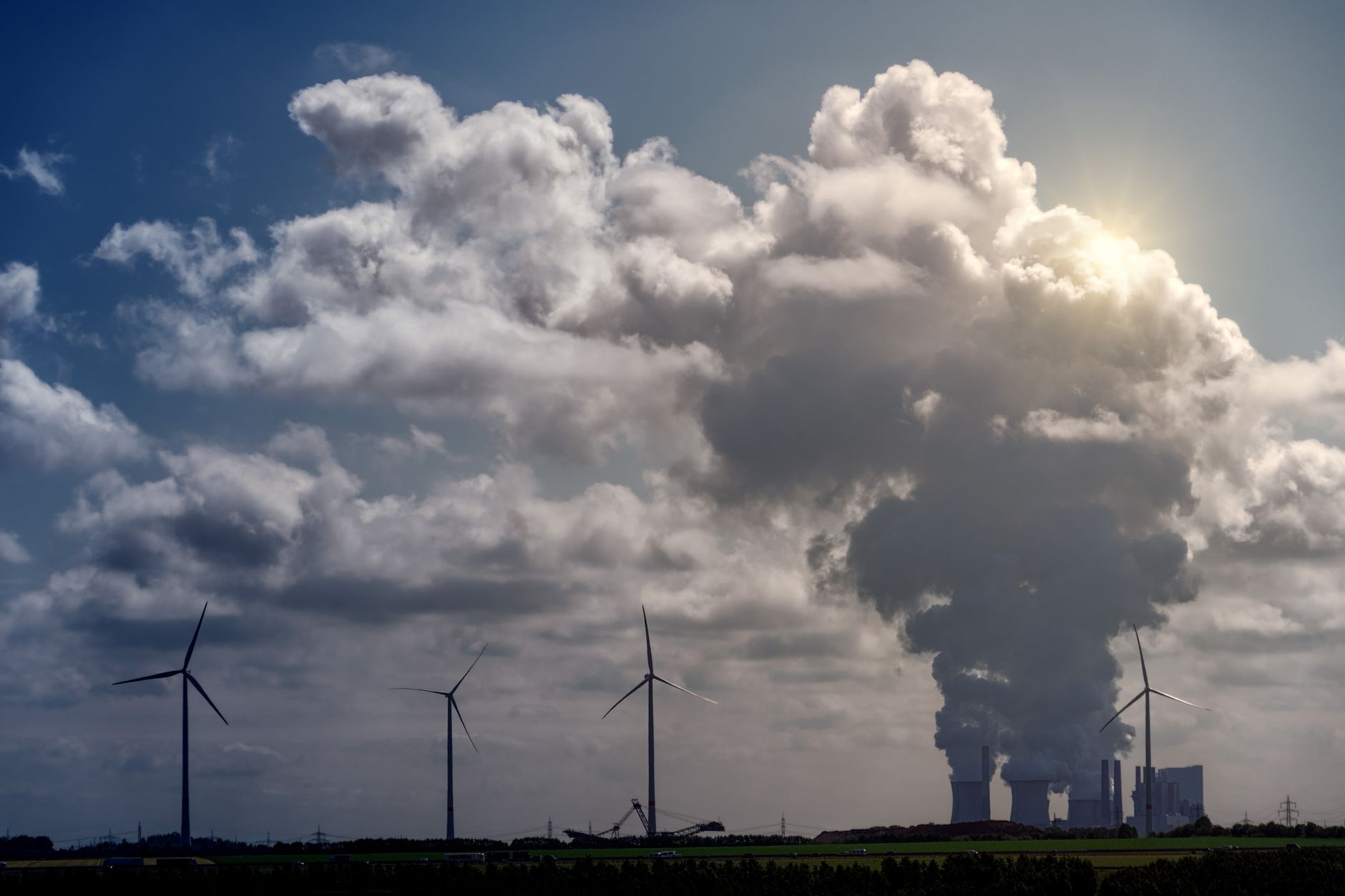
The visible story is heat, but the practical story is systems under load. NBC’s AP-sourced report says a hotter globe driven by coal, oil and gas means more extreme weather, including floods, droughts and heat waves. WMO also forecasts an overheating Arctic, warming nearly 3F, or 1.66C, between now and 2030, and dangerous drought with possible wildfires for the Amazon, a region central to Earth’s natural climate defenses.
Europe is already offering a near-term example of how the forecast lands in ordinary life. Bloomberg describes workers cooling themselves in water fountains in La Défense near Paris during the first major heat wave of the season. That heat wave broke temperature records across northwest Europe, triggered water shortages in the UK and has been linked to several deaths in France, according to Bloomberg’s account.
The health consequences are not limited to hospital admissions during heat waves. The Guardian reports that global heating is already estimated to be taking one life every minute, with the toll likely to rise unless emissions fall rapidly. Simon Stiell, the UN climate chief, called Europe’s heat wave a reminder of the human and economic costs of the climate crisis, noting that India and other parts of Asia are also being hit hard.
Food and water systems are part of the same chain. AP’s report, carried by NBC, points to dangerous drought risk in the Amazon. Drought affects river transport, drinking water, hydropower, forests, crops and fire risk. Extreme heat also raises cooling demand at the same time that grids can be strained and water becomes harder to manage. A temperature forecast becomes a logistics forecast when it changes what farms, utilities and cities must prepare for.
The source framing is broadly aligned, but each outlet emphasizes a different part of the same risk. NBC and AP explain the threshold and the wider extreme-weather consequences. Bloomberg frames the story through record heat and near-term economic exposure. The Guardian foregrounds escalating climate impacts, mortality and the continuing rise of fossil-fuel emissions. The WMO excerpt anchors the forecast in the five-year mean and the 1850-1900 baseline.
The most important uncertainty is not whether warming is occurring; the supplied sources treat that as settled. The uncertainty is how quickly the next five years translate into specific regional impacts: which cities face dangerous heat first, where drought becomes water shortage, how power systems handle cooling demand, and whether governments adapt fast enough to reduce avoidable deaths and disruption.
The 75% figure changes the reader’s time horizon. Climate risk is often discussed as something future generations will inherit. This forecast places a high-probability threshold inside the next planning cycle for schools, hospitals, housing, insurance, food supply, emergency services and public budgets. It asks whether systems built for the climate of the past can protect people in the climate now arriving.
The WMO and UK Met Office say the 2026-2030 average is likely to exceed 1.5C, turning extreme heat, water stress and public-health risk into a near-term planning baseline. The next test is practical: whether 75% changes decisions, routes, budgets, access, legal exposure, or public pressure in ways that outlast the first headline.
The immediate question is whether 75% changes on the ground, whether neighbouring actors copy or resist the move, and whether the issue begins appearing in places that were initially quiet.
The clearest reading is neither panic nor detachment. A five-year average likely above 1.5C does not make every place unlivable, and it does not mean every impact is already fixed. It does mean that heat, water stress and extreme weather have moved closer to the center of public planning. The practical question is whether institutions treat that shift as a forecast to prepare for, or as another warning to absorb after the damage is done.
Add context
Know something useful about this story?
Albis is built for public understanding. If you have a source, lived experience, or a missing angle, you can add context for others.
Share context →Sources for this article are being documented. Albis is building transparent source tracking for every story.
Conversation
What are you seeing?
Add local context, a source, a question, or a perspective we may have missed. You can comment as a guest or create a free account.
Loading conversation…
Get the daily briefing free
News from 7 regions and 16 languages, delivered to your inbox every morning.
Free · Daily · Unsubscribe anytime
🔒 We never share your email