El Niño officially begins in the Pacific, raising global heat and weather risks
NOAA has confirmed El Niño conditions in the tropical Pacific, with forecasters warning the event could become one of the strongest on record and amplify heat, drought, floods and other extreme weather into 2027.
El Niño officially begins in the Pacific, raising global heat and weather risks
Last updated June 11, 2026
- The official onset of El Niño changes planning assumptions for heat, rainfall, food production and disaster response worldwide.
- El Niño has officially begun in the tropical Pacific, the US National Oceanic and Atmospheric Administration confirmed Thursday.
- The agency also observed winds above the equatorial Pacific beginning to shift, a sign that the atmosphere is responding to the warmer ocean rather than the ocean warming alone.
Still unclear: What local readers are seeing from the ground
El Niño has officially begun in the tropical Pacific, the US National Oceanic and Atmospheric Administration confirmed Thursday. The BBC reported that sea-surface temperatures in the central and eastern tropical Pacific have risen sharply in recent months and passed the 0.5C-above-average threshold used by US scientists to define an El Niño event.
NOAA said El Niño conditions developed over the past month, with above-average sea-surface temperatures across the central to eastern equatorial Pacific Ocean, according to the BBC. The agency also observed winds above the equatorial Pacific beginning to shift, a sign that the atmosphere is responding to the warmer ocean rather than the ocean warming alone.
CNN reported that NOAA’s Climate Prediction Center gives the event a 63% chance of becoming a very strong, or “Super,” El Niño and one of the largest events in the historical record going back to 1950. CNN said NOAA gives 100% odds of El Niño continuing through the fall and extremely high odds of it continuing into winter.
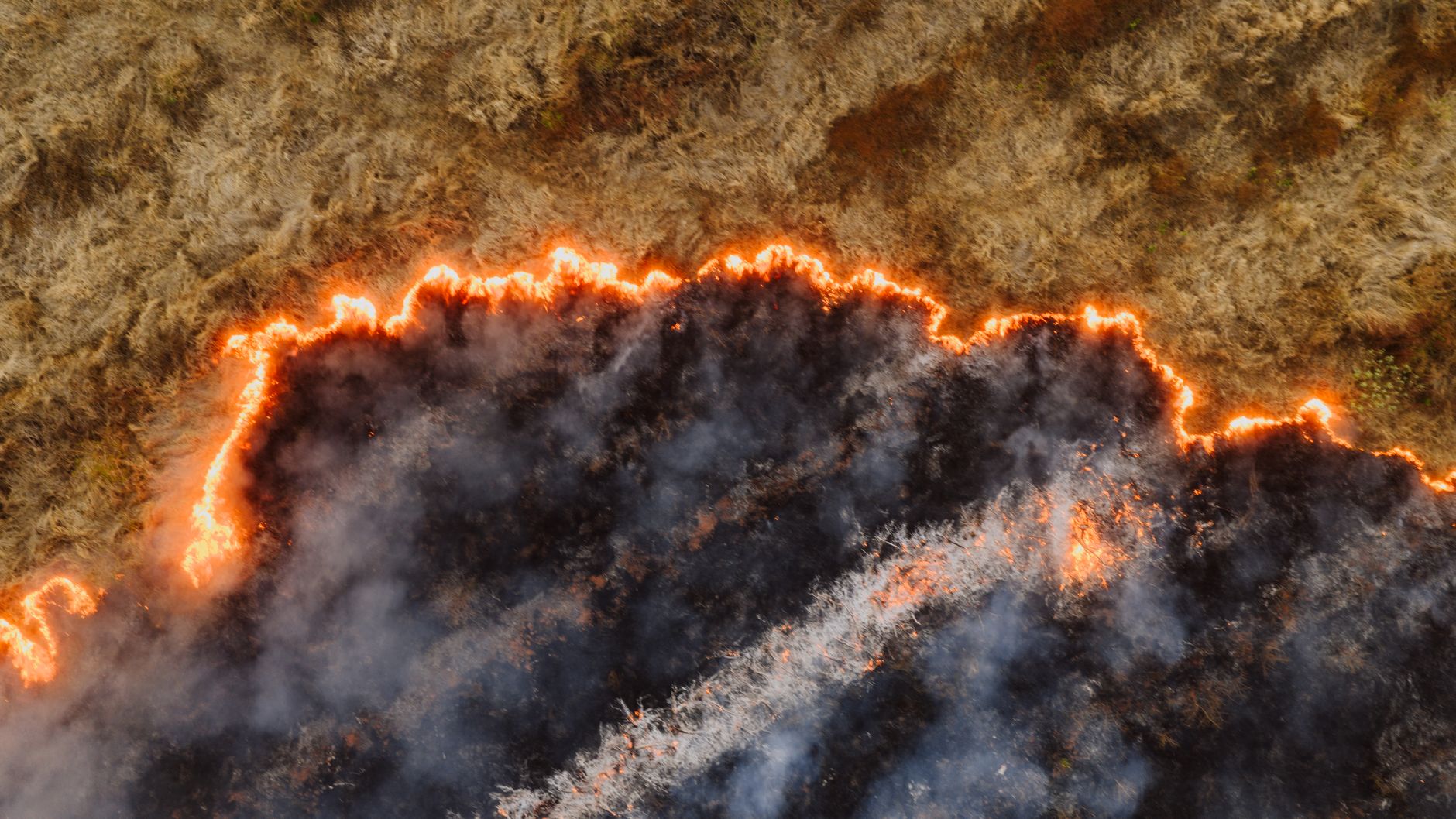
The Guardian and AP reported the same 63% figure, with AP saying meteorologists expect the event to grow to historic strength. AP said experts forecast it could rival or exceed the record El Niño that began in 1997 and helped trigger billions of dollars in damage from heat waves, floods, droughts, tornadoes and wildfires.
El Niño is a natural warming cycle in the Pacific near the equator, but it operates now on top of human-caused warming. AP reported that experts expect the event to further heat an already warmed planet and turbocharge extreme weather across the globe.
The physical mechanism begins in the ocean but spreads through the atmosphere. CNN described El Niño as a periodic pattern involving unusually hot waters in the central and eastern Pacific that alters winds. Those shifts can change weather patterns worldwide, including rainfall, drought and storm tracks.
The BBC reported that many forecasts suggest the current event could become a “super” El Niño and possibly one of the strongest ever recorded. It said the event could bring another record-hot year, most likely in 2027, with disruption to weather, food supplies and economies extending into that year.
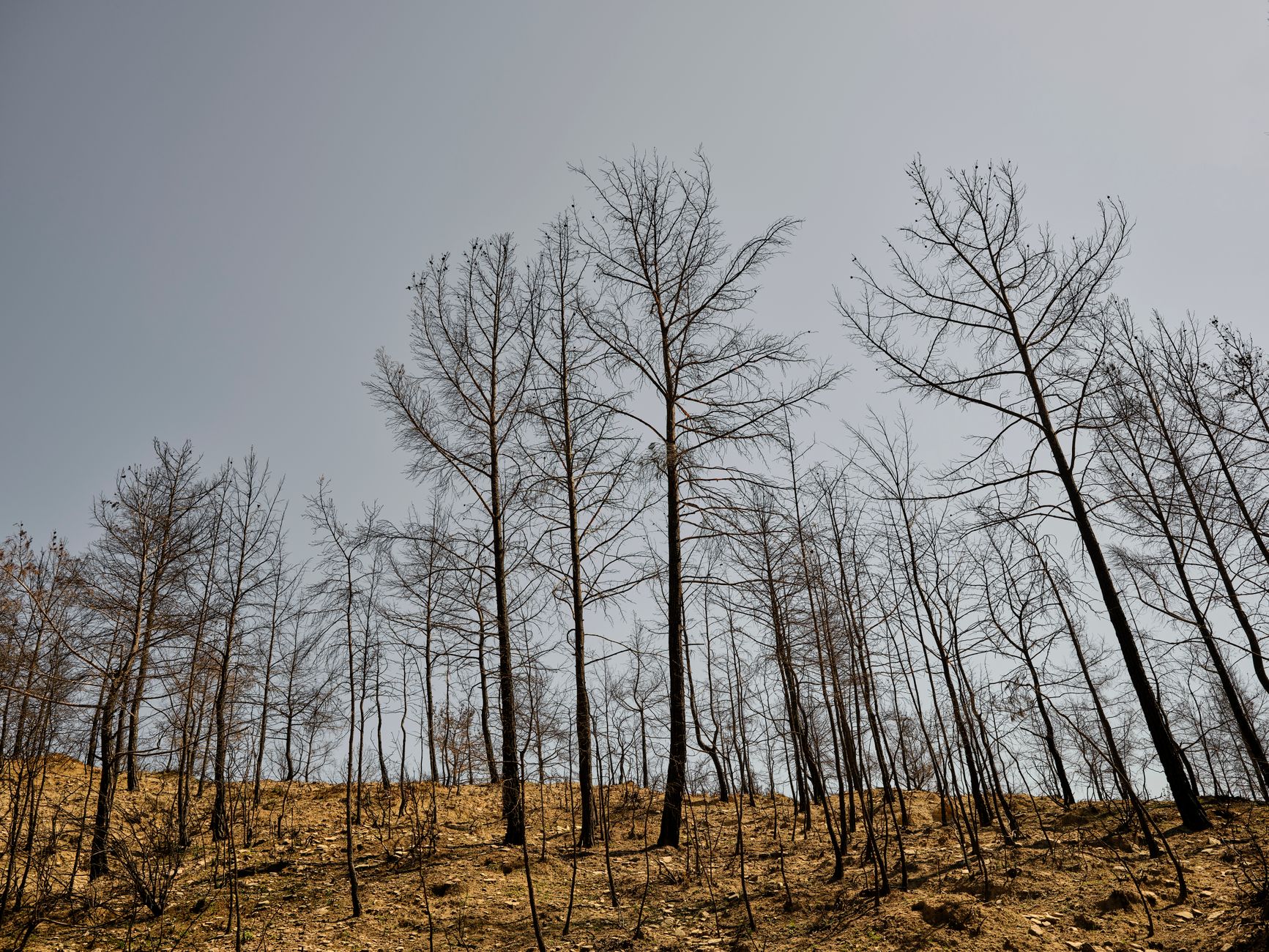
The Guardian said El Niño can alter jet streams and rain patterns, leading to more severe storms, increased temperatures and drought. In the United States, the report noted associations with stormier weather in the south, high-tide flooding risks, algal blooms on the west coast and changes in marine-life migration.
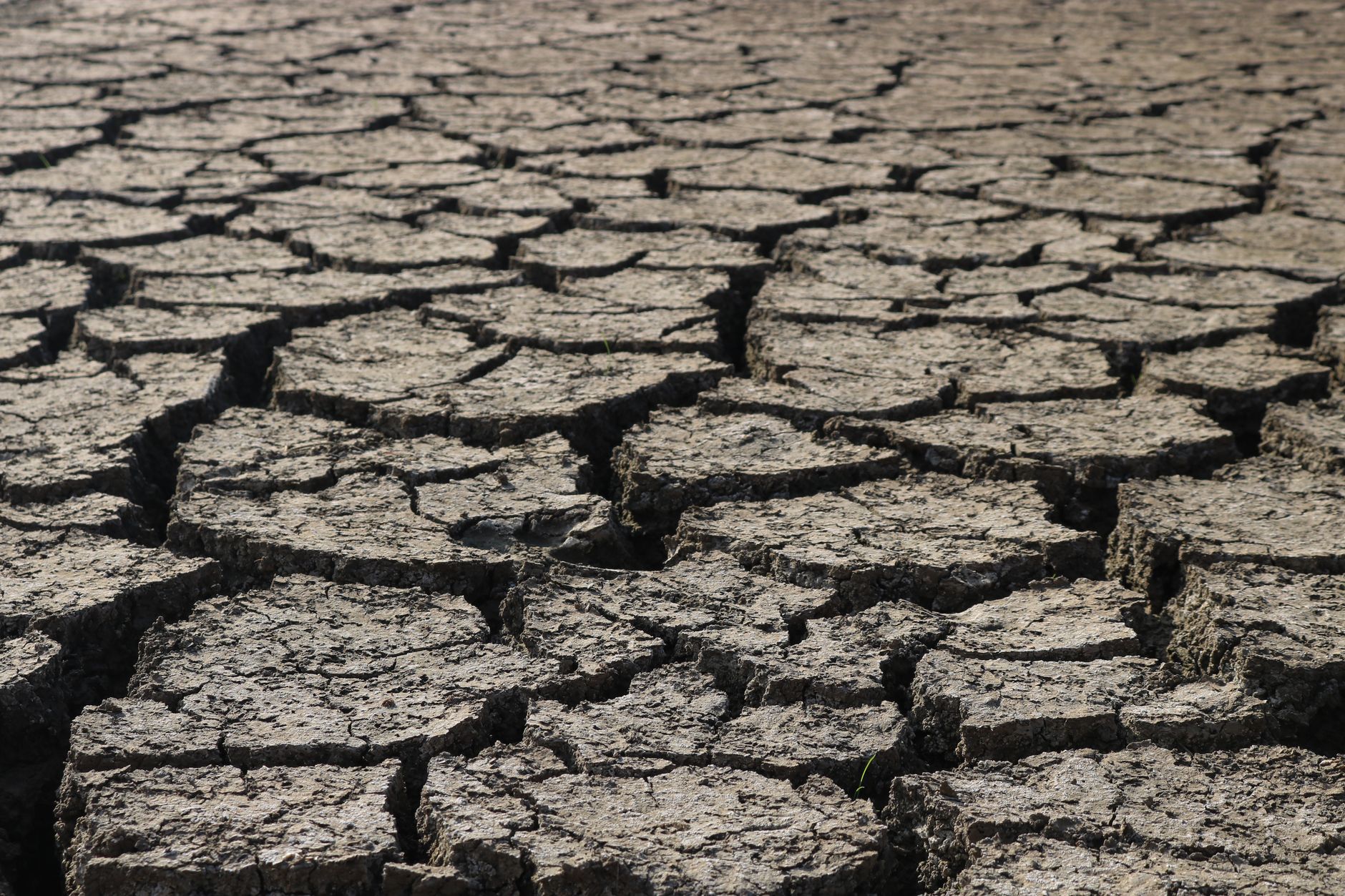
The practical risk is that governments, farmers, water managers, power grids and disaster agencies now have to plan around a stronger global climate driver. Heat can raise electricity demand and health risk; altered rainfall can affect planting, reservoirs and flood control; drought can strain food production and water access.
The exact regional impacts remain uncertain because each El Niño differs in strength, timing and interaction with other climate systems. What is now verified is the onset: El Niño conditions have formed, NOAA expects persistence through the fall, and the probability of a very strong event is high enough to change planning assumptions before the peak months arrive.
Add context
Know something useful about this story?
Albis is built for public understanding. If you have a source, lived experience, or a missing angle, you can add context for others.
Share context →Sources for this article are being documented. Albis is building transparent source tracking for every story.
Conversation
What are you seeing?
Add local context, a source, a question, or a perspective we may have missed. You can comment as a guest or create a free account.
Loading conversation…
Get the daily briefing free
News from 7 regions and 16 languages, delivered to your inbox every morning.
Free · Daily · Unsubscribe anytime
🔒 We never share your email