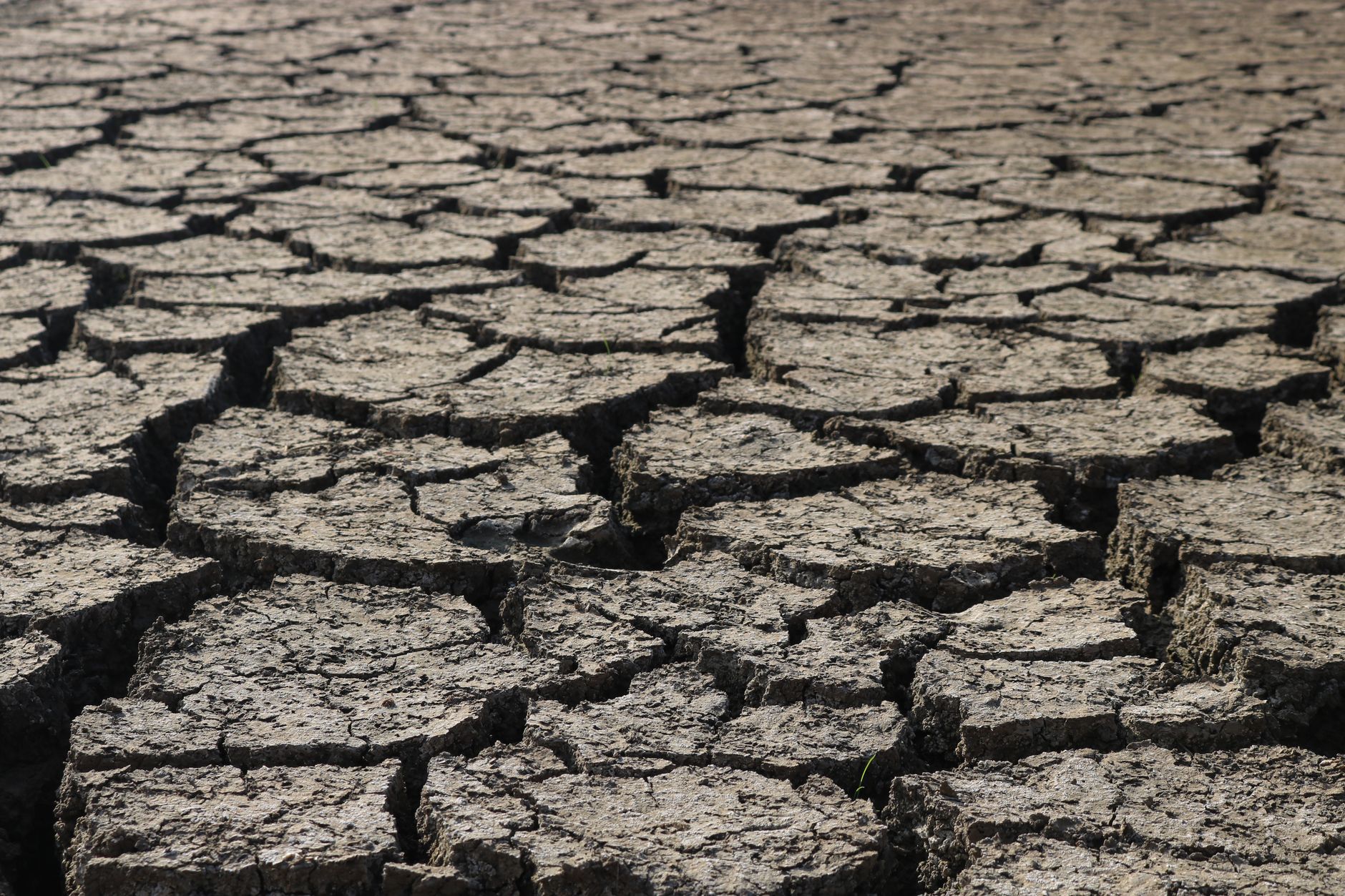
El Niño raises the risk of a costly year of heat, floods, droughts and fires
NOAA has confirmed El Niño conditions in the tropical Pacific, with forecasters warning the event could become one of the strongest on record and intensify extreme weather risks across regions already exposed to climate stress.
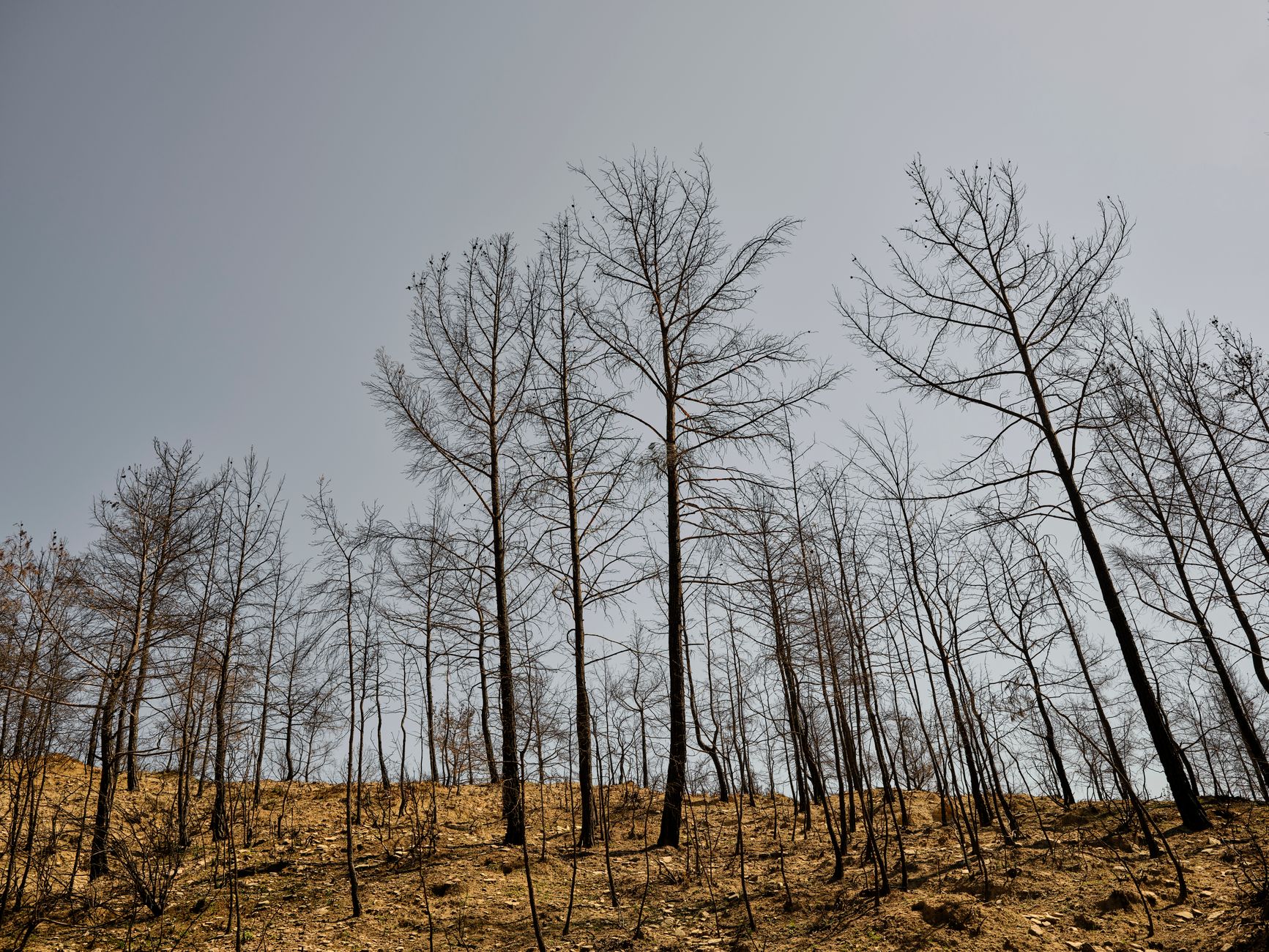
El Niño raises the risk of a costly year of heat, floods, droughts and fires
Last updated June 16, 2026
- A severe fire year would strain infrastructure, health systems, and agricultural production across fire-prone regions.
- Public-health transmission chain.
- Insurance Journal and Carrier Management, both carrying reporting by Seth Borenstein, said meteorologists expect the event to grow toward historic strength.
Still unclear: What local readers are seeing from the ground
NOAA has confirmed that El Niño has formed in the tropical Pacific, where warmer ocean conditions can shift weather patterns across the globe and add heat to an already warming climate system.
Insurance Journal and Carrier Management, both carrying reporting by Seth Borenstein, said meteorologists expect the event to grow toward historic strength. NOAA’s announcement put the chance at 63% that the El Niño could become intense enough by late fall and early winter to rank among the largest events in the historical record going back to 1950.
The comparison point in the supplied reporting is the El Niño that began in 1997, which helped trigger billions of dollars in damage from heat waves, floods, droughts, tornadoes and wildfires. The current event is forming in a world already warmed by fossil fuel pollution, which scientists say can make extreme weather more severe.
Clark University climate scientist Abby Frazier said the warm, deep waters of El Niño bring “a lot of extra heat to the surface,” fueling extreme events in many places. She warned that, especially in the Pacific, conditions “can get dire very quickly.” UN Secretary-General António Guterres described El Niño as an “urgent climate warning” and said the conditions would “pour fuel on the fire of a warming world.”
The supplied sources support a broad extreme-weather risk rather than a precise forecast that 2026 will be a severe wildfire year in every fire-prone region. Wildfires appear in the reporting as one of several hazards historically linked to major El Niño events, alongside heat, floods and droughts. The packet does not provide a region-by-region wildfire outlook for Latin America, South Asia or the Pacific.
Earth.Org reports that El Niño can push global temperatures to record-breaking levels and transform weather patterns, increasing the likelihood of severe droughts in places such as Australia and Southeast Asia and heavy floods in parts of the United States and East Africa. Those shifts reach practical systems quickly: farms, water supply, transport, clinics, power demand and emergency services.
Vietnam.vn’s supplied article describes wider risks to climate, food and energy, warning that drought can damage rain-fed agriculture and that four crops — wheat, rice, corn and soybeans — provide more than 60% of the world’s calorie needs. It also links El Niño concerns to fertilizer pressure and possible food-supply disruption, though some of those geopolitical details are not independently verified elsewhere in the packet.
The mechanism is direct enough: warmer Pacific waters alter atmospheric circulation, which can redirect rainfall, intensify heat, dry out vegetation and shift storm patterns. In fire-prone areas, drought and heat can turn vegetation into fuel. In farming regions, the same conditions can reduce yields, raise irrigation demand and increase reliance on imports.
Public-health pressure can follow the weather. Smoke from wildfires can affect breathing and heart risk; heat waves raise illness and mortality risk; floods can contaminate water and damage homes; drought can raise food prices and deepen rural stress. The sources do not quantify those health impacts for this event, but they establish the climatic pathway that can produce them.
The strongest evidence in this packet is not a single wildfire prediction. It is the confirmation that a potentially very strong El Niño is underway, with NOAA and scientists warning of global extreme-weather risks. Fires are part of that risk field, but the current evidence supports careful preparedness language rather than a definitive global wildfire forecast.
Add context
Know something useful about this story?
Albis is built for public understanding. If you have a source, lived experience, or a missing angle, you can add context for others.
Share context →Sources for this article are being documented. Albis is building transparent source tracking for every story.
Conversation
What are you seeing?
Add local context, a source, a question, or a perspective we may have missed. You can comment as a guest or create a free account.
Loading conversation…
Get the daily briefing free
News from 7 regions and 16 languages, delivered to your inbox every morning.
Free · Daily · Unsubscribe anytime
🔒 We never share your email