WMO outlook flags Arctic overheating and Amazon drought risk before 2030
The World Meteorological Organization and UK Met Office forecast near-record global heat, an Arctic warming nearly 3F by 2030, and dangerous Amazon drought and wildfire risk as fossil-fuel emissions keep driving extreme weather.
WMO outlook flags Arctic overheating and Amazon drought risk before 2030
Last updated May 29, 2026
- The flagged hotspots matter globally because they affect carbon storage, biodiversity, water systems and fire risk.
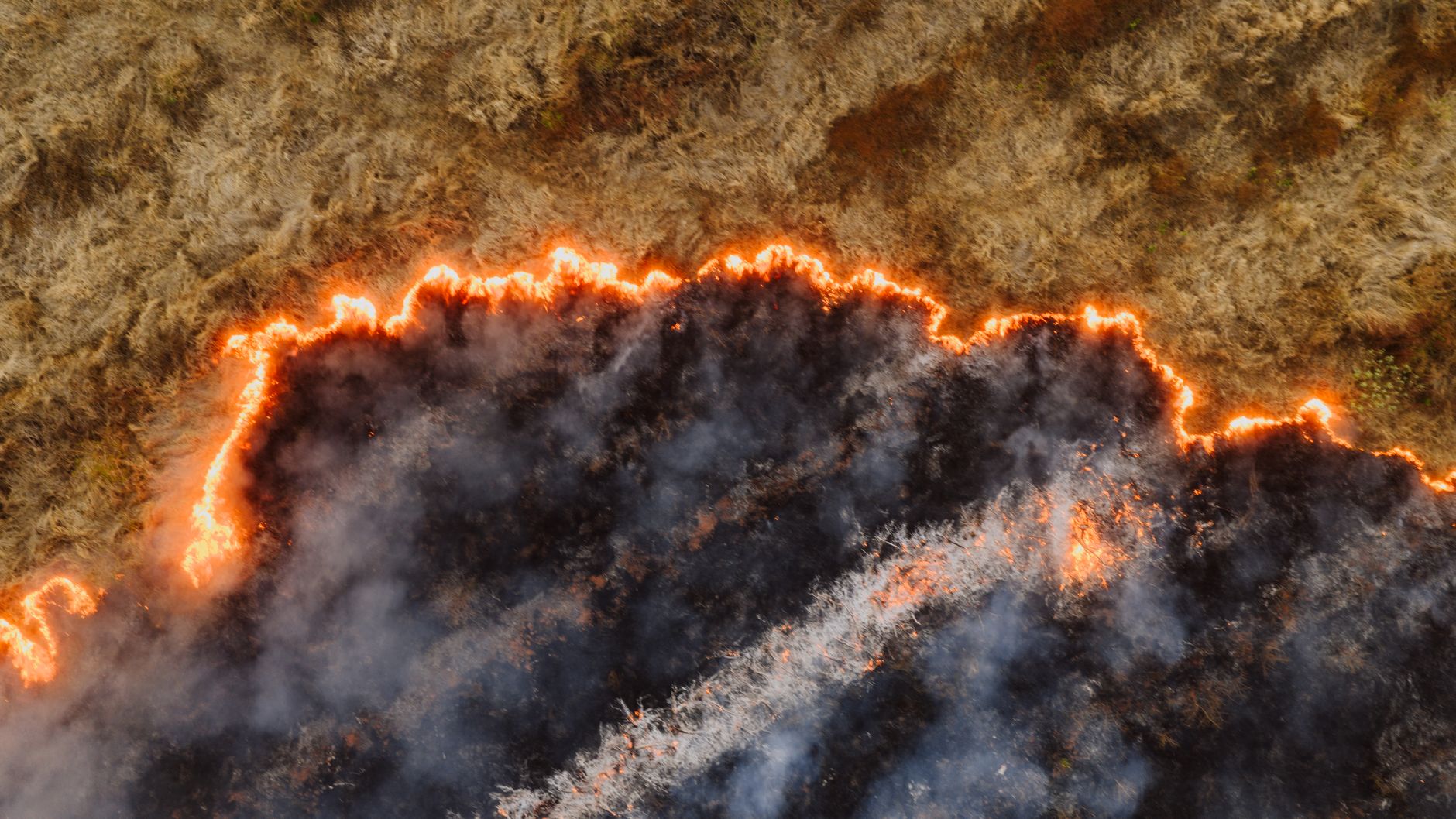
- The same outlook warns of a dangerous drought with potential wildfires for the Amazon, described as a crucial part of Earth’s natural defenses against human-caused climate change.
- The warnings sit inside a broader five-year forecast from the UN climate agency and the UK Met Office.
Still unclear: What local readers are seeing from the ground
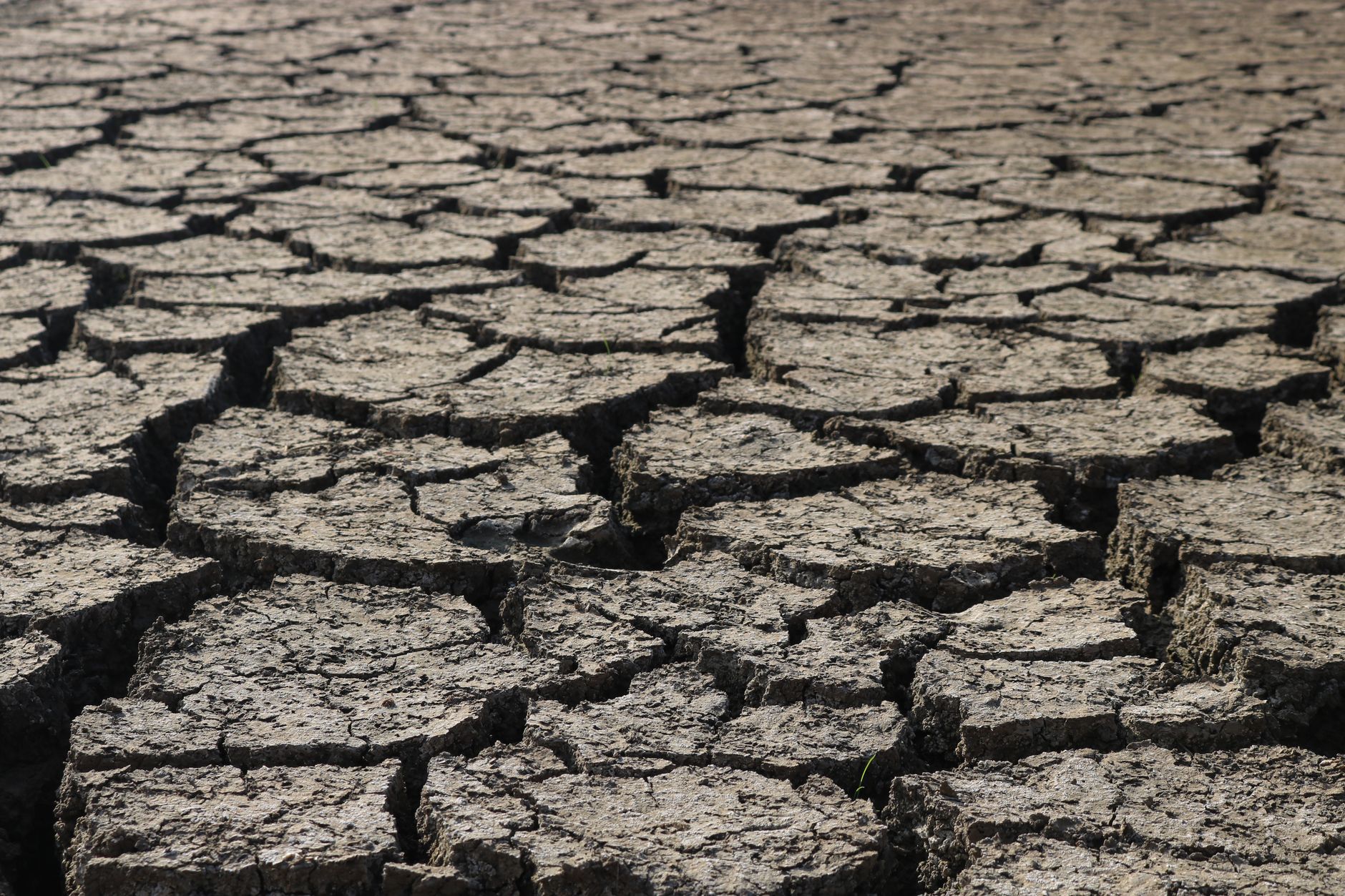
The World Meteorological Organization forecasts an overheating Arctic that warms nearly 3 degrees Fahrenheit, or 1.66C, between now and 2030, according to NBC’s Associated Press-based report. The same outlook warns of a dangerous drought with potential wildfires for the Amazon, described as a crucial part of Earth’s natural defenses against human-caused climate change.
The warnings sit inside a broader five-year forecast from the UN climate agency and the UK Met Office. NBC and KSHB report that there is a 75% chance the average global temperature between 2026 and 2030 will be more than 1.5C above pre-industrial levels. Mathrubhumi reports the same 75% figure and adds that 2027 could become the hottest year ever recorded.
The outlook also gives high odds of repeated record pressure. Mathrubhumi reports a 91% chance that at least one year before 2030 will cross the 1.5C mark, and an 86% probability that one of those years will surpass 2024 as the hottest year in recorded history. The supplied sources frame the Arctic and Amazon risks as part of that wider heat acceleration.
The Amazon warning is not only about forest loss. Drought affects rivers, drinking water, transport, farming, fire risk and the forest’s role in storing carbon. NBC describes the Amazon as part of Earth’s natural defenses to lessen human-caused climate change. When drought and fire threaten that system, local water stress and global climate feedbacks begin to overlap.
The Arctic warning points in a different direction but connects to the same planetary heat budget. Rapid warming in the far north changes ice, ecosystems and long-term climate conditions. The supplied evidence does not detail sea-ice projections, permafrost impacts or regional infrastructure damage, but it confirms the WMO forecast for Arctic warming nearly 3F by 2030.
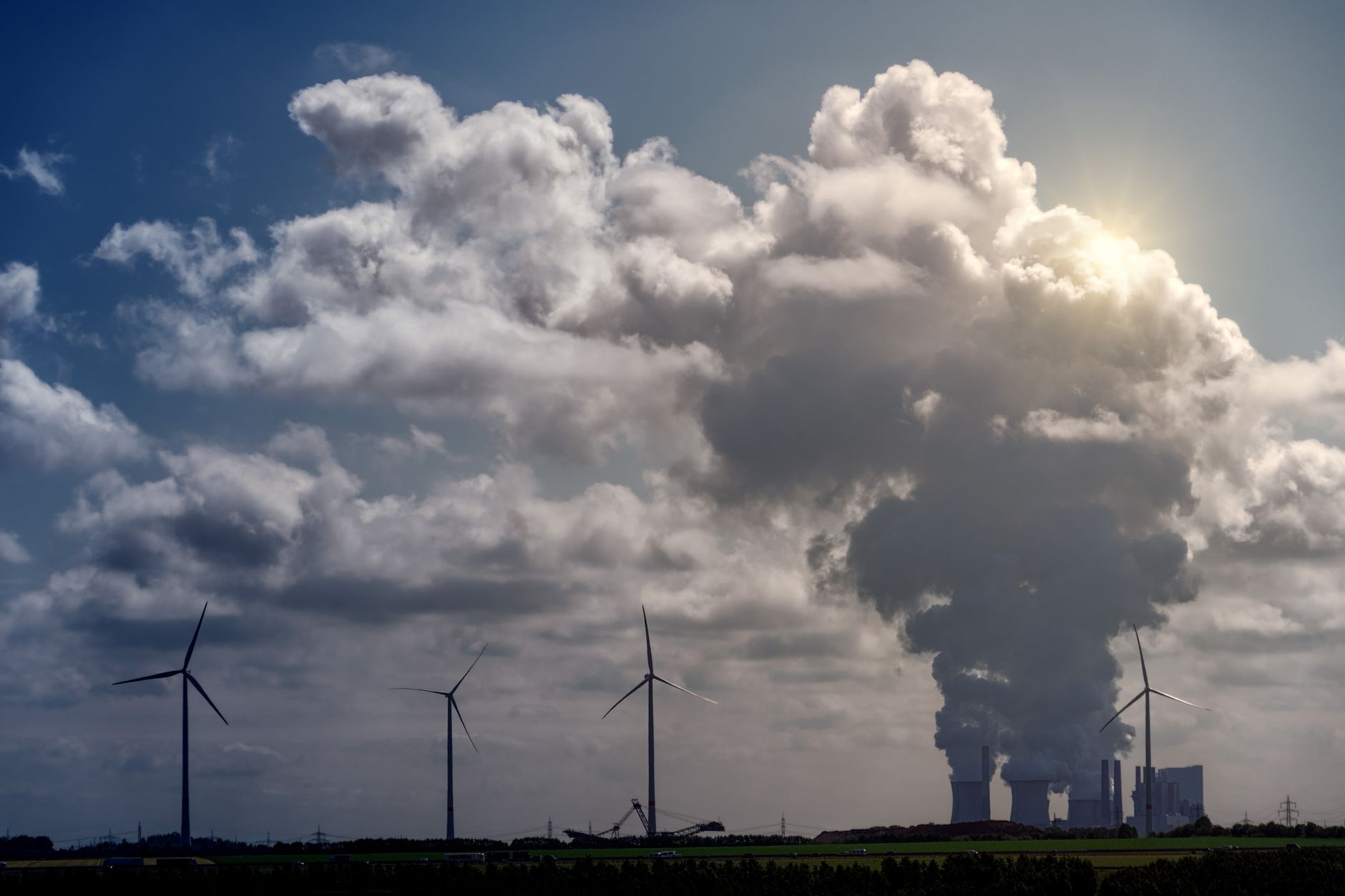
The mechanism is fossil-fuel-driven heat. NBC and KSHB report that a hotter globe from burning coal, oil and gas means more extreme weather, including floods, droughts and heat waves. Mathrubhumi also reports scientists warning that rising global temperatures driven by fossil fuel emissions could trigger more extreme heatwaves, floods, droughts and wildfires worldwide.
The 1.5C threshold should be read carefully. KSHB notes that the Paris climate agreement’s 1.5C limit is averaged over 20 years, while the WMO outlook concerns the 2026–2030 period and individual years. A short-term breach is not identical to a formal long-term breach, but the repeated crossing shows the margin narrowing.
Melissa Seabrook, a climate scientist at the UK Met Office and a report co-author, told Mathrubhumi that 1.5C is not a cliff edge, adding that every additional 0.1C brings more severe impacts. That framing keeps the focus on increments: small increases in global average temperature can still shift heat, water and fire risk in material ways.
What remains uncertain is exactly where the Amazon drought will be most severe, how wildfire risk will translate into actual fire seasons, and how Arctic warming will affect specific communities or infrastructure before 2030. The supplied evidence provides global and regional risk projections, not local impact maps or emergency plans.
The cleanest implication is that the WMO is naming hotspots where global heat becomes system pressure. In the Amazon, the chain runs through water, fire, biodiversity and carbon storage. In the Arctic, it runs through accelerated warming and changing climate conditions. Both warnings turn a global temperature forecast into places where ecological stability and human access can tighten quickly.
Add context
Know something useful about this story?
Albis is built for public understanding. If you have a source, lived experience, or a missing angle, you can add context for others.
Share context →Sources for this article are being documented. Albis is building transparent source tracking for every story.
Conversation
What are you seeing?
Add local context, a source, a question, or a perspective we may have missed. You can comment as a guest or create a free account.
Loading conversation…
Get the daily briefing free
News from 7 regions and 16 languages, delivered to your inbox every morning.
Free · Daily · Unsubscribe anytime
🔒 We never share your email