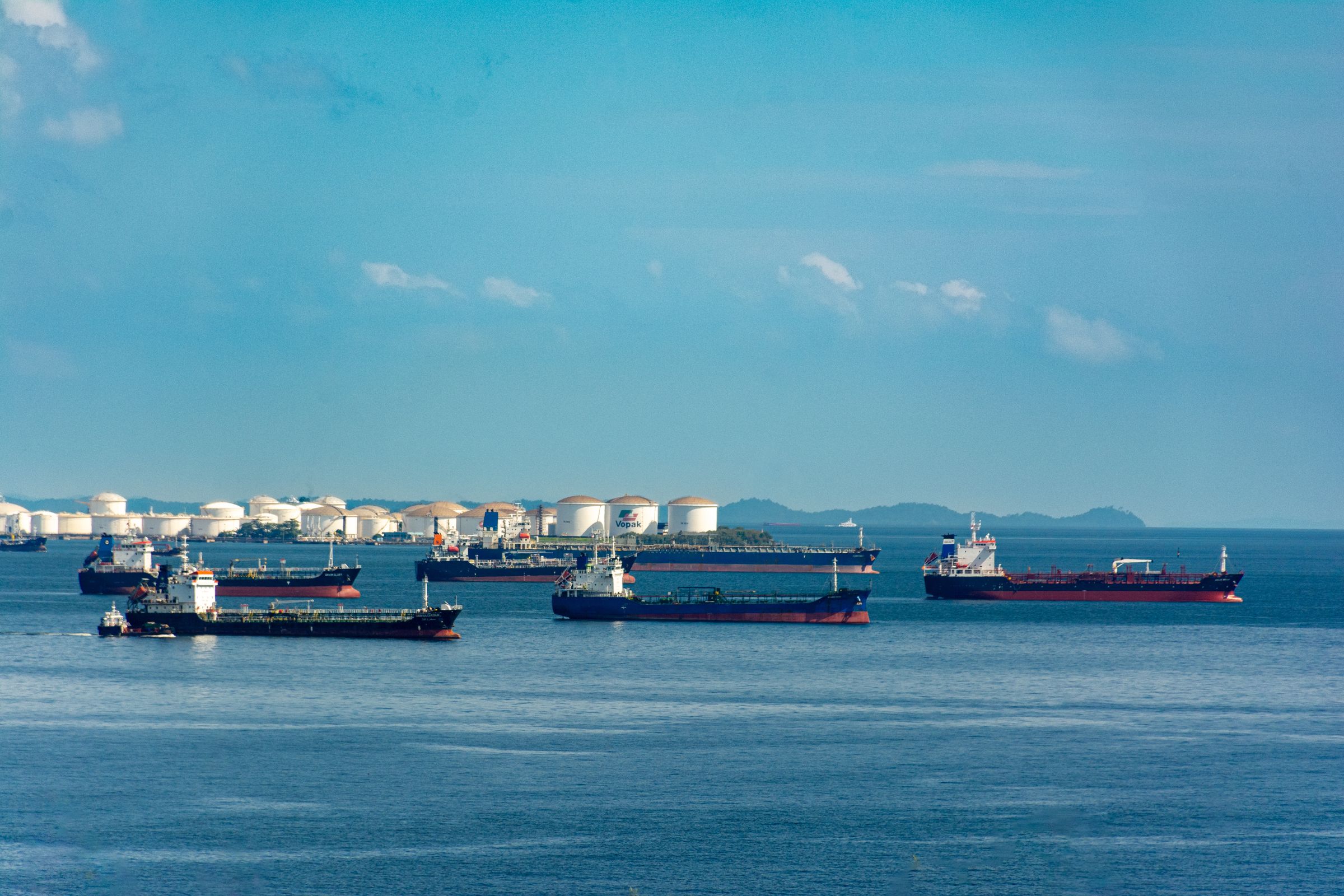
Strait of Hormuz reopening fails to stabilize as restrictions are reimposed
A failed reopening at Hormuz keeps a core global energy chokepoint unstable and prolongs inflationary and supply-chain risk worldwide.
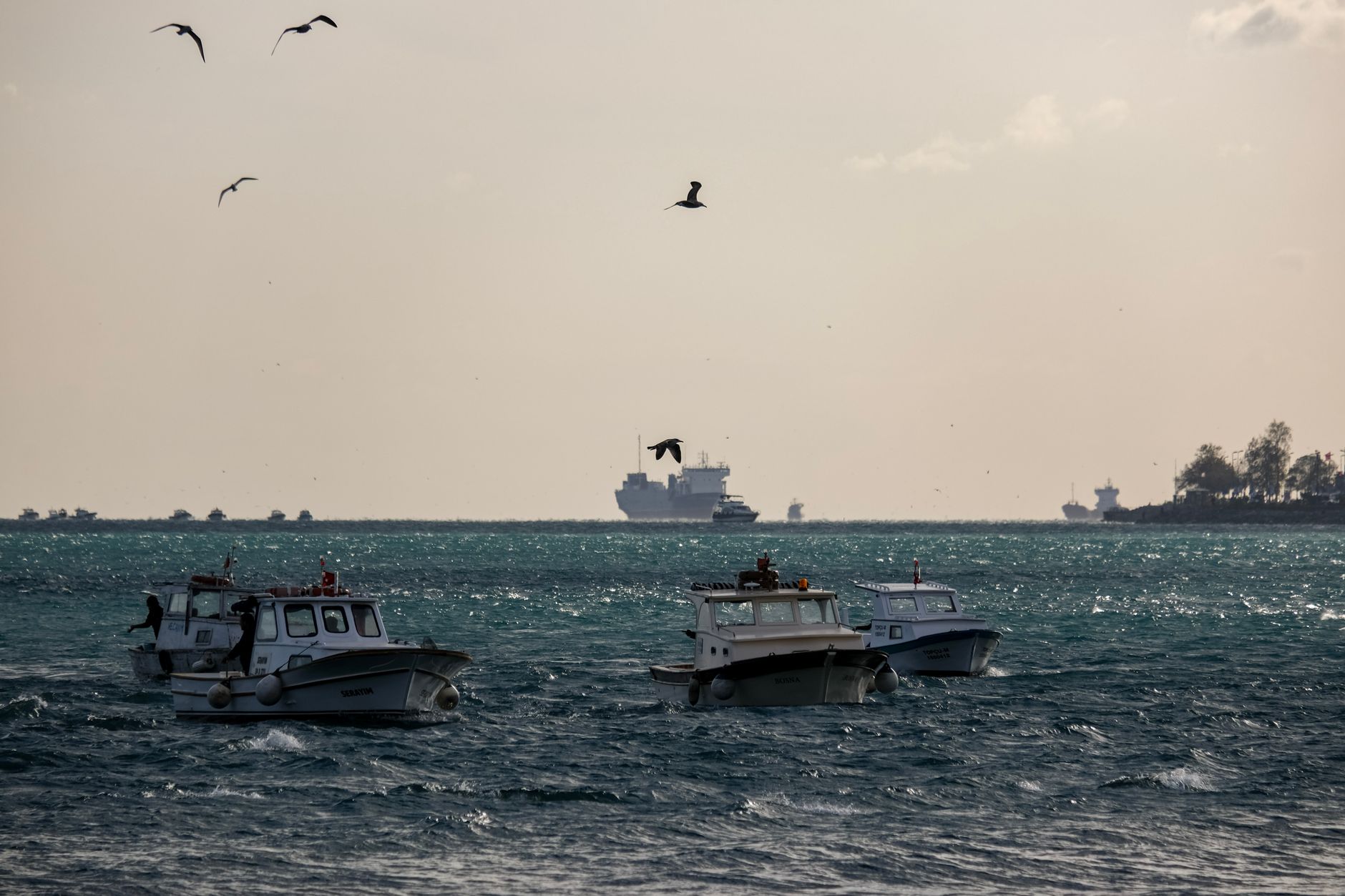
A reopened stretch of the Strait of Hormuz did not stay open for long, with restrictions reimposed before the world’s most important oil chokepoint could return to anything resembling stable passage. That failure matters because Hormuz is not just another shipping lane. It is a core artery for global energy flows, and when reopening attempts unravel in real time the consequences move quickly into insurance costs, inflation expectations, tanker routing, and state-level economic planning.
What makes this story central is its clarity. The strait is the most practical de-escalation test in the wider US-Iran crisis. If diplomacy is real, traffic should stabilise. If a ceasefire framework has operational substance, maritime passage should become more predictable rather than less. Instead, the picture remains one of partial easing followed by renewed coercion, mixed signals, and a corridor that is still vulnerable to immediate political and military pressure.
That is why the Hormuz story matters more than short-term price moves alone. Oil charts react quickly, but the underlying issue is whether governments, shippers, and markets can treat the route as usable without sudden reversal. A failed reopening does not need to become a total closure to cause damage. Uncertainty itself can do a great deal of the work. When route reliability disappears, freight decisions change, insurers recalculate, traders widen assumptions, and states begin planning for the possibility that energy costs will remain structurally elevated.
The broader ceasefire context makes the situation even more fragile. The strait is not operating in isolation. It is tied to whether Washington and Tehran can sustain even a minimum degree of operational restraint. If talks wobble and maritime incidents continue, then every attempted reopening is at risk of becoming temporary theater rather than durable de-escalation. That means the question is not simply whether a few ships crossed. It is whether passage can be trusted over time, and right now the evidence still says no.
Coverage breadth reinforces that reading. The Hormuz item is being picked up across the US, Europe, the Middle East, South Asia, East and Southeast Asia, Africa, and broader global reporting. That matters because a route like Hormuz is not a regional story with global side effects; it is a global story with regional front lines. Different regions may emphasise different aspects — deterrence, maritime law, market risk, inflation, shipping exposure — but the common thread is that everyone understands the strait as a leverage point that can reshape multiple systems at once.
The immediate consequences are visible in several layers. Energy-importing states have to consider whether temporary workarounds will become normal. Shipping firms and insurers have to judge whether the route remains commercially viable under present conditions. Import-dependent economies already exposed to energy costs must assume that volatility could feed into domestic inflation. These effects do not wait for a formal declaration of crisis. They begin as soon as reopening attempts fail to hold.
This is why the story remains more important than many downstream signals. Bangladesh raising fuel prices, Kenya seeking emergency support, and the IMF downgrading growth all matter, but they sit one or two steps later in the chain. Hormuz is closer to the source. If the route cannot stabilise, then the wider economic and diplomatic effects will continue to spread.
The next evidence to watch is practical, not rhetorical. Do restrictions ease and remain eased? Do shipping insurers soften their risk posture? Do tanker movements become routine again rather than exceptional? Does official messaging from either side start matching what happens on the water? Those are the signs that would show de-escalation has become operational instead of aspirational.
For now, the failed reopening tells a clear story. The world still does not have a dependable return to normal passage through Hormuz. As long as that remains true, the chokepoint will continue to function as a transmitter of uncertainty into energy markets, trade routes, and political decision-making far beyond the Gulf.
Add context
Know something useful about this story?
Albis is built for public understanding. If you have a source, lived experience, or a missing angle, you can add context for others.
Share context →Sources for this article are being documented. Albis is building transparent source tracking for every story.
Conversation
What are you seeing?
Add local context, a source, a question, or a perspective we may have missed. You can comment as a guest or create a free account.
Loading conversation…
Get the daily briefing free
News from 7 regions and 16 languages, delivered to your inbox every morning.
Free · Daily · Unsubscribe anytime
🔒 We never share your email