US-Iran memorandum opens 60-day talks, but Hormuz shipping remains unsettled
A U.S.-Iran memorandum lays out a path toward ending the war, reopening the Strait of Hormuz and negotiating nuclear issues, while shipping firms wait for clarity and security guarantees before normal operations resume.
US-Iran memorandum opens 60-day talks, but Hormuz shipping remains unsettled
Last updated June 18, 2026
- A live corridor reopening changes war risk, shipping access, and energy security across the Gulf far more than secondary market commentary.
- President Donald Trump and Iranian President Masoud Pezeshkian have signed a memorandum of understanding that lays out terms for ending the war and reopening the Strait of Hormuz.
- The interim agreement starts a 60-day negotiating window over unresolved issues around Iran’s nuclear program.
Still unclear: What local readers are seeing from the ground
President Donald Trump and Iranian President Masoud Pezeshkian have signed a memorandum of understanding that lays out terms for ending the war and reopening the Strait of Hormuz, according to NBC News. The interim agreement starts a 60-day negotiating window over unresolved issues around Iran’s nuclear program.
NBC reported that Trump signed the memorandum late Wednesday at the Palace of Versailles, in video published by French President Emmanuel Macron. Pezeshkian signed separately, according to Iranian state media, and described the document as a message of peace through mutual respect while preserving Iran’s dignity and independence.
CBS News reported that the Trump administration released the 14-point memorandum on Wednesday and that a White House official said the agreement had been signed remotely and was in effect. Trump emphasized that it was not a final deal and warned that the United States could resume bombing Iran if it did not comply.
The Strait of Hormuz is the practical hinge in the agreement. The New York Times excerpt provided says Iran’s major step is reopening the strait to free passage for the next 60 days, while leaving open the possibility of charging fees after that period. Because the full Times article was not fetched, that point can only be treated as a limited reported detail from the excerpt.
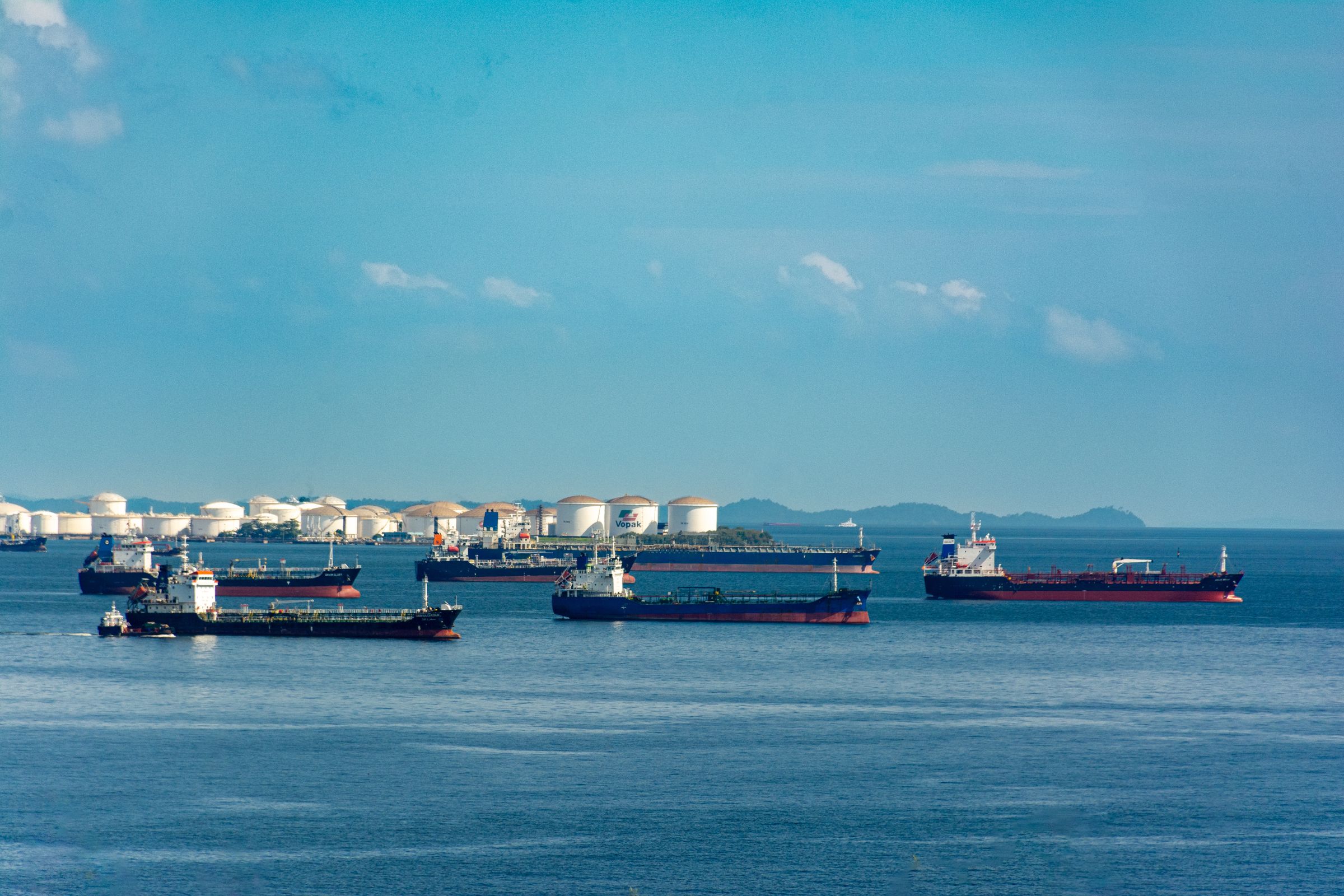
CBS reported that Iranian tankers were crossing the U.S. naval blockade line, adding confusion for shippers after Trump said the blockade would lift only after the memorandum was signed. Shipping firms told CBS that clarity and security guarantees are needed before normal operations can resume.
That uncertainty is the operational gap between diplomatic announcement and corridor reopening. A signed memorandum can change the political frame quickly, but shipping depends on enforceable passage, naval rules, insurance, port scheduling and confidence that vessels will not be caught between competing interpretations of the deal.
The agreement also sits inside a wider regional conflict environment. CBS reported that Israel continued limited strikes in Lebanon after Trump announced the agreement with Iran, and that Tehran said continued Israeli troops or attacks in Lebanon would be considered a violation of the agreement with Washington. The Wikipedia ceasefire summary also links the ceasefire context to the Iran war, the Strait of Hormuz crisis and the Lebanon war, while noting that the article needed updating.
What remains uncertain is how the 60-day period will be enforced, whether the naval blockade line is formally lifted in a way shippers trust, and how unresolved nuclear, missile and regional-security questions are handled. CBS described questions lingering over Iran’s nuclear program and missiles, and Trump’s warning shows the agreement still depends on compliance and interpretation, not just signatures.
For energy and trade, the immediate consequence is not a simple return to normal. A path to reopening the Strait of Hormuz can reduce war risk and unlock shipping access, but only if vessels, insurers and governments see the corridor as reliably usable. Until then, the Gulf remains a logistics chokepoint where diplomacy, military posture and commercial risk are moving together.
Add context
Know something useful about this story?
Albis is built for public understanding. If you have a source, lived experience, or a missing angle, you can add context for others.
Share context →Sources for this article are being documented. Albis is building transparent source tracking for every story.
Conversation
What are you seeing?
Add local context, a source, a question, or a perspective we may have missed. You can comment as a guest or create a free account.
Loading conversation…
Get the daily briefing free
News from 7 regions and 16 languages, delivered to your inbox every morning.
Free · Daily · Unsubscribe anytime
🔒 We never share your email